
Companion Plants
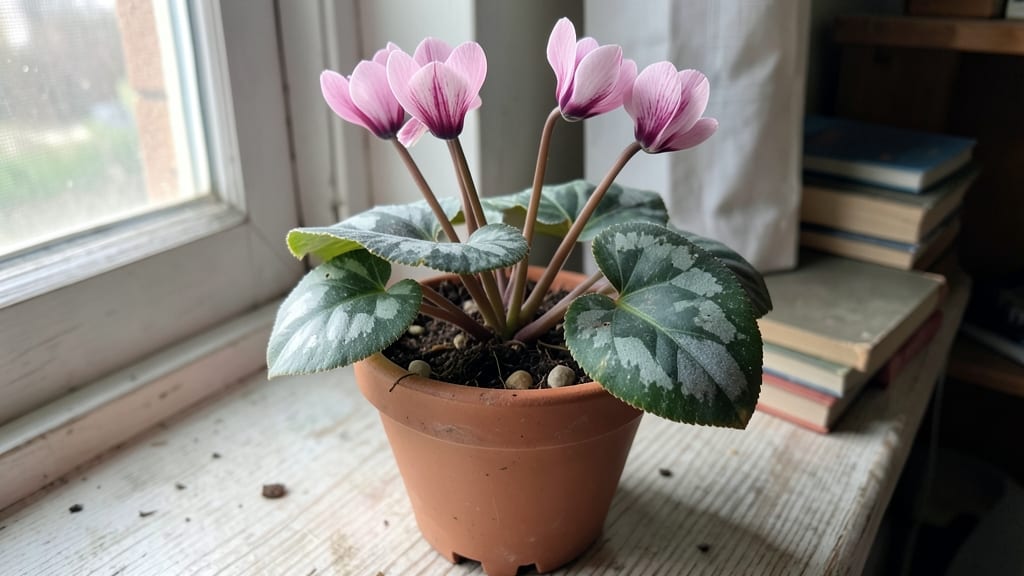
Cyclamen winter plants bring unexpected color when gardens go dormant. 🌿 I’ve watched their delicate blooms emerge in my basement windowsill during December, proving winter doesn’t have to be a gardening dead zone.
These plants thrive in cool conditions that kill most houseplants, making them perfect for brightening dark months without fuss.
The secret lies in their natural dormancy cycle—cyclamen rest through summer heat but wake up when temperatures drop. You’ll need a cool spot (60-70°F), bright indirect light, and just enough water to keep the soil lightly moist.
Overwatering is the only real mistake beginners make, but even that’s easy to fix once you know the signs.
By February, your plants will reward you with clusters of pink, white, or red blooms that last for weeks. The foliage stays lush too, with silvery-green leaves that add texture. Best of all, they self-clean—wilted blooms drop on their own, so you never have to deadhead.
Works indoors or in shaded outdoor spots where other plants struggle. Here’s how to keep them happy through the coldest months—no greenhouse required.
📚 In This Guide
- What you need
- Instructions
- Tips and common mistakes
- Wrapping up and next steps
What you need
- ● Cyclamen plants: 1–3 tubers or potted plants (depending on desired display size)
- ● Specs: Choose healthy tubers with firm, unblemished roots or plants with vibrant foliage and buds.
- ● Well-draining potting mix: 1–2 bags (5–10 quarts total)
- ● Specs: Use a mix designed for bulbs or perennials, or amend regular soil with perlite/pebbles (20–30% by volume) for aeration.
- ● Containers (if not planting in-ground): 1–3 pots (6–8 inches deep, with drainage holes)
- ● Specs: Terracotta or ceramic pots work best; ensure they’re frost-resistant if outdoors.
- ○ Peat moss or coconut coir: 1 small bag (optional, for extra moisture retention)
- ● Garden trowel or small shovel (for transplanting)
- ● Watering can with a rose nozzle (for gentle watering)
- ○ Mulch (straw, pine needles, or shredded bark) (1–2 inches; optional for outdoor plants)
- ○ Fertilizer (balanced 10-10-10 or bulb-specific) (1 tbsp per plant; optional, apply in early spring)
- ● Gloves (to protect hands from soil and sharp tuber edges)
- ● Sunlight assessment: Identify a spot with partial shade (4–6 hours of indirect light daily).
- ○ Thermometer (optional): Monitor temperatures if planting outdoors in Zone 5 or colder (cyclamen tolerate light frost but prefer above 20°F/-7°C).
How to grow frost-resistant cyclamen for winter color
Here's the straightforward approach I use to keep cyclamen thriving through cold months.
🌱 Step 1: Select the Right Cyclamen Varieties for Your Climate
Not all cyclamen handle frost equally. For true frost resistance, choose hardy varieties like Cyclamen coum or Cyclamen hederifolium—they tolerate down to 15°F when established. These woodland natives thrive in partial shade and naturalize beautifully over time. Avoid tender species like Cyclamen persicum (the common greenhouse type) unless you're growing them as annuals in containers.
I always check the USDA hardiness zone range on the label before buying. For zones 5-7, Cyclamen coum is my go-to because it blooms earliest and handles winter best. Plant them in groups of at least 3-5 for a natural, drifty look that multiplies over seasons.
🪴 Step 2: Prepare the Planting Site for Winter Survival
Cyclamen roots prefer well-draining soil that doesn't stay soggy through winter. Amend your garden bed with 2-3 inches of compost mixed into the top 6 inches of soil. These plants hate heavy clay—if your soil compacts easily, add 1 part perlite or coarse sand to 3 parts soil to improve drainage. I test drainage by digging a 6-inch hole, filling it with water, and timing how long it takes to drain—if it's slower than 30 minutes, I add more grit.
Choose a spot with morning sun and afternoon shade. Too much midday winter sun can scorch the delicate leaves, while too little light means fewer blooms. Mulch with 2-3 inches of shredded bark or leaf mold after planting to insulate roots from temperature swings. This mulch layer also prevents soil from splashing onto leaves during rain or snowmelt, which can cause rot.
☀️ Step 3: Plant at the Right Depth and Spacing
Cyclamen tubers (the round, corm-like roots) must sit just below the soil surface—never deeper than 1 inch. Planting too deep suffocates the tuber and prevents blooming. I make a small mound of soil, place the tuber on top with its "nose" (the pointed end) facing upward, then cover lightly with soil. The leaves will emerge from the top naturally.
Space plants 6-8 inches apart in all directions. Crowding stresses the tubers and leads to fewer flowers. Water thoroughly after planting to settle the soil, but avoid soaking the leaves. Cyclamen roots are shallow, so I use a gentle watering can with a fine rose to prevent disturbing the tubers. You'll know you've done it right when the soil feels moist to 2 inches deep but not waterlogged.
💧 Step 4: Water and Fertilize for Winter Hardiness
Once established, cyclamen are drought-tolerant, but they need consistent moisture during their first winter. Water when the top 1-2 inches of soil feel dry—this usually means every 7-10 days in winter, depending on your climate. Overwatering in cold weather is the fastest way to rot tubers. I check moisture by sticking my finger into the soil; if it's damp but not wet, I wait another day.
Fertilize lightly in early spring with a balanced 10-10-10 fertilizer at half strength. Too much nitrogen makes them leafy but flower-sparse. I skip fall fertilization entirely—cyclamen store energy in their tubers naturally, and extra food just encourages weak growth before winter. The key is patience; these plants reward you with blooms in late winter when most gardens are still dormant.
✂️ Step 5: Protect and Maintain Through Winter
After the first hard frost, apply a 2-inch layer of evergreen boughs or straw mulch over the planting area to shield tubers from temperature extremes. This extra protection lets cyclamen survive brief dips to 10°F without damage. I remove the mulch in early spring once new growth appears, but never before—waiting until you see fresh leaves prevents disturbing the dormant tubers.
Deadhead spent blooms by pinching them off at the base, but leave the leaves until they yellow naturally. These leaves photosynthesize all winter, feeding the tubers for next year's flowers. If slugs or snails become a problem (they love cyclamen leaves), I set out a few beer traps—cyclamen are too tender for chemical controls, and organic methods work best here.
Tips & tricks for perfect frost-resistant cyclamen
Here's what I've learned after years of growing cyclamen through harsh winters—these tricks make all the difference.
Variety Selection: When choosing between Cyclamen coum and Cyclamen hederifolium, I always opt for Cyclamen coum in zones 5-7 because it handles the coldest temperatures down to 15°F when established. The key difference is that Cyclamen coum blooms earliest in winter, giving you color when other plants are still dormant. If you're in zone 8 or warmer, Cyclamen hederifolium is a great alternative—just be prepared to provide extra winter protection.
Soil Preparation: The 30-minute drainage test is non-negotiable for cyclamen. If your soil drains slower than this, mix in more perlite or coarse sand—these plants absolutely hate soggy roots. I've seen cyclamen rot within weeks when planted in heavy clay without proper amendment. For best results, aim for soil that feels like a well-wrung sponge: damp but not dripping. This prevents the tubers from sitting in cold, wet conditions that lead to rot during winter.
Planting Depth: Remember that 1-inch maximum depth for tubers? I can't stress this enough—planting deeper than this smothers the tuber and prevents blooming. Think of it like planting potatoes: the tuber needs to stay just below the surface so it can access air and sunlight. When planting, create a small mound of soil, place the tuber on top with its pointed "nose" facing up, then cover lightly. This ensures the leaves can emerge naturally from the top while keeping the tuber protected.
Winter Protection: That extra 2-inch layer of mulch after the first frost is your secret weapon for surviving brief dips to 10°F. I use evergreen boughs because they provide both insulation and wind protection. The key is removing this mulch only when you see fresh green growth in spring—never before. This timing prevents disturbing the dormant tubers while still protecting them from late-season frosts that can damage emerging shoots.
Pro Tips for Cyclamen Winter Plants
- Here's what I've learned after years of growing cyclamen through harsh winters—these tricks make all the difference.
- Variety Selection: When choosing between Cyclamen coum and Cyclamen hederifolium, I always opt for Cyclamen coum in zones 5-7 because it handles the coldest temperatures down to 15°F when established.
- Soil Preparation: The 30-minute drainage test is non-negotiable for cyclamen.
Frequently asked questions
Got questions about keeping your cyclamen thriving through winter?
Here are answers to the most common ones—so you can enjoy those cheerful blooms all season long!
Can cyclamen survive outside in freezing temperatures?
Most hardy cyclamen (like Cyclamen hederifolium) tolerate light frosts down to 10–15°F if planted in well-draining soil with winter mulch. Tender varieties (e.g., Cyclamen persicum) need container protection—move them indoors or wrap pots in burlap. Always check your specific species!
When is the best time to plant cyclamen for winter blooms?
For fall planting, aim for late August to early October—this gives roots time to establish before cold sets in. If planting potted cyclamen, do it after the last frost (typically September–October in most climates). Pro tip: Avoid planting too early; soggy soil can rot delicate tubers!
Why are my cyclamen leaves turning yellow?
Yellowing leaves often signal overwatering (cyclamen hate soggy roots!) or nutrient deficiency. Let the top 1–2 inches of soil dry between waterings, and fertilize lightly with a balanced, water-soluble formula in early spring. If yellowing spreads fast, check for root rot—repot in fresh, gritty soil if needed.
Are there cyclamen alternatives for colder climates?
Yes! If cyclamen struggle in your zone, try these frost-tolerant winter bloomers:
- Hellebores ("Lenten Rose") – Thrives in zones 4–9, blooms January–March.
- Winter Aconite (Eranthis hyemalis) – Bright yellow flowers in late winter; hardy to zone 3.
- Snowdrops (Galanthus) – One of the earliest spring bloomers (zone 3–8).
How do I keep pests (like slugs) away from my cyclamen?
Slugs and snails love cyclamen leaves! Prevent damage with:
- Copper tape around pots or garden beds (creates a mild electric barrier).
- Diatomaceous earth (food-grade) around plants—reapply after rain.
- Handpick pests early in the morning when they’re sluggish.
Wrapping up and next steps
Bringing cyclamen winter plants into your garden or home is a simple yet rewarding way to embrace the season’s beauty—without the fuss! 🌱 Their hardy nature and vibrant blooms prove that winter doesn’t have to be dull.
Whether you’re a seasoned gardener or just starting out, these plants offer effortless elegance and a splash of color when it matters most.
Ready to transform your space? Start small—pick a single pot or a few bulbs—and let their charm inspire you. Next, explore companion planting ideas to create a winter wonderland that thrives year-round! 🌿