
Vegetables
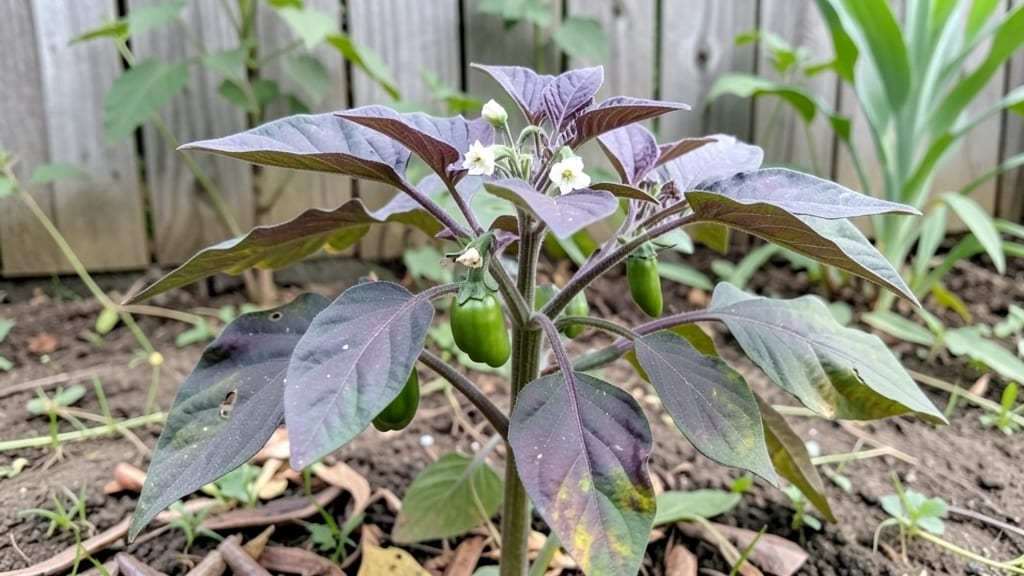
Growing a purple leaf pepper plant 🌶️ lets you turn your garden into a living spice rack—where every leaf is a decorative statement and every pepper packs a flavor punch.
Imagine a garden where vibrant purple foliage meets fiery heat—purple leaf pepper plants deliver both beauty and bold flavor, making them a must-have for edible landscaping enthusiasts.
These peppers aren’t just pretty; they’re productive, too. With the right care, you’ll harvest spicy, colorful pods from July to October, perfect for salsas, pickling, or fresh snacking.
But skip the guesswork—this guide covers everything from soil prep to pest control, so you avoid common mistakes like stunted growth or pale leaves.
Ready to grow a plant that doubles as art and a kitchen staple? Here’s how to turn seeds into a thriving purple leaf pepper plant that steals the show—and the spice rack.
Why purple leaf pepper plants are perfect for edible gardens
Purple leaf pepper plants aren't just a garden eye-catcher—they're a dual-purpose powerhouse that combines ornamental beauty with bold culinary potential. The deep purple foliage creates stunning visual contrast, while the peppers themselves range from mild bell peppers to fiery jalapeños, offering heat for every palate.
This makes them ideal for edible landscaping where you want both aesthetic appeal and harvestable rewards.
What sets purple leaf peppers apart is their versatility. They thrive in containers or in-ground beds, making them perfect for small spaces or urban gardens. The vibrant purple leaves attract pollinators while repelling some pests, creating a natural pest-control system.
Plus, their compact growth habit (typically 2-4 feet tall) fits neatly into herb gardens, raised beds, or mixed borders.
Here’s why gardeners love them: they offer year-round interest. Even after harvest, the purple leaves remain striking, and dried peppers add colorful accents to winter arrangements. Whether you're growing them for culinary heat or garden drama, purple leaf peppers deliver high rewards with low maintenance.
Let’s break down why these peppers are a game-changer for both ornamental and edible gardens, from their heat levels to their culinary uses.
🌱
| Category | Details |
|---|---|
| Foliage Appeal | Deep purple leaves create striking visual contrast in gardens. |
| Heat Levels | Ranges from mild (0-1000 SHU) to fiery (35,000+ SHU). |
| Growth Habit | Compact (2-4 feet tall), ideal for containers or small spaces. |
| Sunlight Needs | 6+ hours of full sun daily for optimal growth. |
| Water Requirements | Medium needs: keep soil consistently moist but not soggy. |
| Harvest Time | July-October (varies by variety and climate). |
| Culinary Uses | Fresh salsas, pickling, drying, or heat-infused dishes. |
| Pest Resistance | Purple leaves deter some pests while attracting pollinators. |
| Edible Landscaping | Perfect for herb gardens, raised beds, or mixed borders. |
The heat levels in purple leaf peppers are as diverse as their uses. Some varieties, like 'Purple Beauty', produce mild bell peppers (ideal for stuffing or grilling), while others, such as 'Purple Jalapeño', pack a spicy kick (3,500-8,000 SHU).
This means you can customize your garden based on whether you want heat or mild flavor. Even the leaves themselves can be used in infusions or garnishes, adding a unique twist to dishes.
One of the biggest advantages of purple leaf peppers is their adaptability. They grow well in containers, raised beds, or in-ground plantings, making them perfect for urban gardens, balconies, or small yards.
Their compact size also means they won’t overwhelm your space, yet they still produce abundant harvests. If you're short on space but want both beauty and bounty, these peppers are a game-changer.
For culinary enthusiasts, purple leaf peppers add a visual and flavor dimension to dishes. Their deep purple hue makes them a stunning garnish, while their heat levels can elevate salsas, marinades, or even spicy sauces.
Dried purple peppers retain their color and can be used in homemade hot sauces or rubs, giving your dishes a unique, smoky-sweet flavor.
Beyond their aesthetic and culinary benefits, purple leaf peppers are low-maintenance. They thrive in well-draining soil with regular watering and full sun exposure. Their resilience makes them ideal for beginner gardeners or those who want a hands-off edible plant. Plus, their long harvest season
Step-by-step guide to growing purple leaf peppers from seed
Growing purple leaf peppers from seed is rewarding—they offer vibrant foliage and delicious peppers, but success starts with proper seedling care. These plants thrive with the right balance of sunlight, water, and nutrient-rich soil.
Follow this step-by-step guide to ensure strong, healthy plants that produce abundant fruit and stunning purple leaves.
Whether you're a beginner or seasoned gardener, understanding the key stages of growth—from seed germination to transplanting—will help you avoid common pitfalls like leaf discoloration or poor fruiting. With the right approach, your purple leaf peppers will flourish and become a standout feature in your garden.
Step-by-Step Guide to Growing Purple Leaf Peppers
-
Step 1: Start Seeds Indoors
Sow seeds 6-8 weeks before the last frost in seedling trays with well-draining soil. Keep soil moist at 70-80°F for germination (usually 7-14 days).
-
Step 2: Provide Adequate Light
Seedlings need 14-16 hours of light daily. Use a grow light if natural sunlight is insufficient. Place trays near a south-facing window for maximum exposure.
-
Step 3: Harden Off Seedlings
1 week before transplanting, gradually expose seedlings to outdoor conditions. Start with 2 hours/day and increase to full sun over the week.
-
Step 4: Transplant After Frost
Plant seedlings 12-18 inches apart in full sun (6+ hours daily). Choose a location with well-draining soil and a pH of 6.0-6.8 for optimal growth.
-
Step 5: Water Consistently
Water deeply 2-3 times/week, ensuring soil stays moist but not soggy. Avoid wetting leaves to prevent fungal diseases. Mulch around plants to retain moisture.
-
Step 6: Fertilize Regularly
Use a balanced fertilizer (10-10-10) every 4-6 weeks during the growing season. Apply 1 tbsp per plant in the morning to avoid burning roots.
-
Step 7: Troubleshoot Common Issues
Purple leaf discoloration: Often caused by nutrient deficiency or overwatering. Adjust fertilizer or watering habits.
Poor fruiting: Ensure full sun and adequate pollination. Hand-pollinate if needed in indoor settings.
Once your purple leaf peppers are established, they’ll reward you with vibrant foliage and spicy or sweet peppers, depending on the variety. Keep an eye out for pests like aphids or diseases such as powdery mildew, and address them promptly to maintain plant health.
With patience and care, your purple leaf pepper plants will thrive, adding both aesthetic appeal and culinary value to your garden. Happy growing! 🌱