
Vegetables
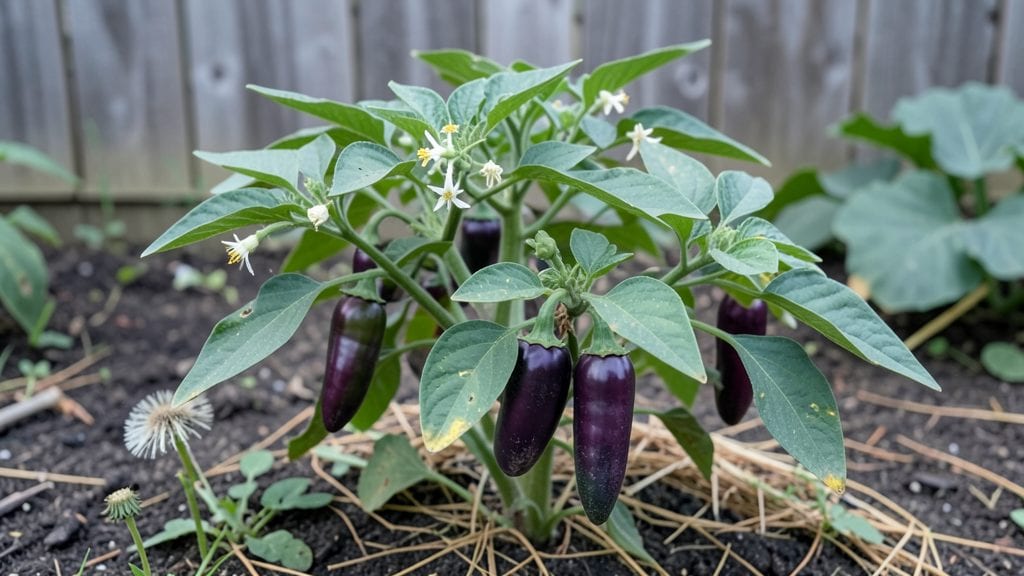
The purple jalapeño pepper plant brings a striking twist to your garden with its deep violet hues and classic heat. I grew mine from seed last spring, and the moment the first purple buds appeared, I knew this wasn’t just another pepper—it was a conversation starter with serious flavor.
These peppers thrive in heat but need consistent care to develop their signature color and spicy kick.
Start with well-draining soil mixed with compost, and place your plants in a spot that gets at least 6-8 hours of sunlight daily. Purple jalapeños love warmth but hate soggy roots, so water deeply once a week unless it’s scorching hot.
A balanced fertilizer every 4-6 weeks keeps growth steady, and pruning suckers early ensures energy goes to fruit production, not extra foliage.
By mid-summer, you’ll see those deep purple peppers forming, turning green as they ripen. The heat builds slowly, so harvest when they’re still purple for milder heat or let them turn red for classic jalapeño intensity. One plant can yield 20-30 peppers, perfect for pickling, salsas, or fresh snacks.
Watch for blossom end rot—calcium deficiency shows up as black spots—and fix it with crushed eggshells or a calcium supplement. Purple jalapeños are tough once established, but they reward patience with bold color and reliable heat. Ready to grow one that stands out?
📚 In This Guide
- What you need
- Instructions
- Tips and common mistakes
- Wrapping up and next steps
What you need
- ● Purple Jalapeño Seeds or Seedlings: 3–5 seeds (or 1–2 seedlings) for a small harvest, or more if you’re scaling up! Look for Capsicum annuum varieties labeled "purple jalapeño."
- ● Containers or Garden Bed: Containers: 5-gallon pots (minimum) with drainage holes—1 pot per plant is ideal.
- ● Garden Bed: Full sun (6+ hours/day), well-draining soil, and space 18–24 inches apart between plants.
- ● High-Quality Potting Mix: A well-draining blend like 50% peat moss, 30% perlite, and 20% compost (or a pre-mixed vegetable/pepper mix).
- ● Fertilizer: Balanced Fertilizer (10-10-10 or 5-5-5): Start with a low dose (½ tsp per gallon of water) every 2–3 weeks.
- ● Organic Option: Compost tea or worm castings for a nutrient boost.
- ● Watering Can or Hose with Nozzle: Aim for deep but infrequent watering (1–1.5 inches per week).
- ○ Support Stakes or Cages: Optional but helpful—peppers can get top-heavy! Use 3–4 ft bamboo stakes or tomato cages.
- ● Pruning Shears: For trimming leggy growth or removing damaged leaves.
- ● pH Test Kit: Ideal soil pH for peppers is 6.0–7.0. Adjust with lime (to raise pH) or sulfur (to lower).
- ● Row Covers or Mulch: Protect young plants from pests or retain moisture (straw or black plastic mulch works well).
- ● Grow Lights (Indoor Growers): LED full-spectrum lights (12–16 hours/day) if natural light is limited.
- ● Pest Control: Neem oil or insecticidal soap for aphids/whiteflies.
Step-by-step instructions for growing purple jalapeño pepper plants
Here’s how to grow these striking, heat-packed peppers from seed to harvest with minimal fuss.
Start Seeds Indoors for Strong Starts
Purple jalapeños need a long growing season, so begin seeds indoors 8-10 weeks before your last frost date. Fill 2-3 inch deep seedling trays with sterile seed-starting mix—never garden soil, as it can harbor diseases that weaken seedlings. Moisten the mix until it feels like a damp sponge, then press it down gently to remove air pockets.
Plant 2-3 seeds per cell just ¼ inch deep—any deeper and they’ll struggle to emerge. Cover lightly with additional mix, then mist the surface until evenly damp. Place the tray in a warm spot (70-80°F) with a humidity dome or plastic wrap to retain moisture. Check daily for condensation on the dome; remove it once 50% of seeds sprout to prevent fungal issues.
Provide Bright Light and Prevent Leggy Seedlings
Seedlings need 14-16 hours of light daily to grow strong. A south-facing window rarely delivers enough intensity, so supplement with a grow light positioned 2-4 inches above the plants. Raise the light as they grow to maintain that distance—too far away, and stems stretch weakly toward the source.
You’ll know your light setup is correct when seedlings have thick stems and dark green leaves spaced closely together. If they grow tall and pale with leaves spaced far apart, they’re reaching for more light. Rotate the tray a quarter turn daily so plants grow evenly toward the light source.
Harden Off and Transplant Outdoors
Two weeks before your last frost, start hardening off seedlings by placing them outside in a sheltered spot for 1-2 hours the first day. Gradually increase outdoor time by 1 hour daily over 10-14 days, slowly introducing them to sun and wind. This step is critical—skipping it causes transplant shock, where leaves wilt and stems break under stress.
Choose a sunny spot with 6-8 hours of direct sun and well-draining soil. Plant seedlings 12-18 inches apart in rows 18-24 inches apart to allow airflow and prevent disease. Bury them deeper than their original pots—up to the first set of true leaves—to encourage strong root growth. Water deeply at the base after planting.
Maintain Consistent Care for Year-Round Harvests
Purple jalapeños thrive in warm soil (70-85°F) and need 1-1.5 inches of water weekly, delivered at the soil level to avoid wetting leaves. Mulch with 2-3 inches of organic mulch to retain moisture and regulate soil temperature. Fertilize lightly with a balanced fertilizer (10-10-10) every 4-6 weeks once flowers appear—too much nitrogen produces leafy growth at the expense of peppers.
Watch for first true leaves to appear indoors, then first flowers outdoors—this signals it’s time to reduce water slightly to encourage fruit set. Harvest peppers when they reach 3-4 inches long for optimal heat and flavor. Prune suckers (the small shoots that form in the leaf axils) to direct energy to fruit production.
Extend the Season with Protective Measures
To harvest peppers year-round, protect plants from early frosts with row covers or move containers indoors during cold snaps. Purple jalapeños tolerate light frosts (28-32°F) but prefer warmth year-round. In containers, bring pots inside before temperatures drop below 50°F and place them near a south-facing window or under grow lights.
You’ll notice peppers ripening faster in warm conditions—harvest them when they turn deep purple for maximum heat and sweetness. Store unripe peppers in the fridge for up to 2 weeks or freeze them whole for later use. With proper care, a single plant can produce 50-100 peppers per season, making it a rewarding addition to any garden.
Tips & tricks for growing purple jalapeño pepper plants
Growing vibrant purple jalapeños takes patience and attention to detail—here’s how to avoid common pitfalls and maximize your harvest.
Timing is Everything: The 8-10 week indoor start time is non-negotiable for most climates. If you live in a warm region, you can reduce this slightly to 6-8 weeks, but don’t rush it—purple jalapeños need that full growing season to develop their signature color and heat. I’ve seen seedlings struggle when started too early because they outgrow their containers before transplant time, so mark your frost date and count backward carefully.
Light Setup Secrets: Those 14-16 hours of daily light are critical, but quality matters more than quantity. I’ve found that LED grow lights with a full spectrum (especially red and blue wavelengths) produce stronger seedlings than basic fluorescent bulbs. Position your light just 2-4 inches above the plants and adjust as they grow—if you see stems stretching toward the light with pale leaves, they’re begging for more intensity or closer placement.
Soil Temperature Matters: Purple jalapeños thrive when soil stays between 70-85°F, but getting there requires planning. If you’re transplanting in spring, wait until soil temperatures naturally warm up—don’t force it by planting too early. For container growers, use a soil thermometer to verify warmth before transplanting. I’ve seen plants struggle when moved into cold soil, even if air temperatures seem perfect.
Transplanting Technique: Burying seedlings deeper than their original pots (up to the first true leaves) might seem counterintuitive, but it encourages strong root growth. When you transplant, make a small trench and gently fold the roots down into it—this creates a stable base that resists wind damage. Water deeply immediately after transplanting to settle the soil and eliminate air pockets around the roots.
Pro Tips for Purple Jalapeno Pepper Plant
- Growing vibrant purple jalapeños takes patience and attention to detail—here’s how to avoid common pitfalls and maximize your harvest.
- Timing is Everything: The 8-10 week indoor start time is non-negotiable for most climates.
- Light Setup Secrets: Those 14-16 hours of daily light are critical, but quality matters more than quantity.
Frequently asked questions
Got questions about growing purple jalapeño pepper plants? You’re not alone! Here are some of the most common queries—plus quick, practical answers to help you crush your harvest.
How long does it take for a purple jalapeño plant to produce peppers?
A purple jalapeño plant typically takes 60–90 days from transplanting to produce peppers, assuming warm weather (70–85°F) and full sun. Early varieties may fruit sooner, but cooler temps can delay ripening. Patience pays off—keep them happy with consistent water and fertilizer!
Can purple jalapeños survive winter? What’s the best way to overwinter them?
Purple jalapeños are tender perennials and won’t survive freezing temps (<32°F). To extend their life, dig up mature plants before frost, trim roots, and pot them in well-draining soil. Overwinter indoors near a sunny window or under grow lights (12+ hours/day). Pro tip: Prune lightly to encourage bushier growth in spring!
Why are my purple jalapeños turning green instead of staying purple?
Green peppers are normal at first—purple jalapeños start green and deepen to purple/red as they ripen. If they stay green, check for lack of sunlight (they need 6+ hours/day) or nutrient deficiencies (add compost or a balanced fertilizer). Heat and sunlight are key—think of them as sun-worshippers!
Are purple jalapeños hotter than regular green jalapeños?
Nope! The color doesn’t affect heat—purple jalapeños have the same 2,500–8,000 Scoville units as green ones. The purple hue comes from anthocyanins (antioxidants), not capsaicin. Fun fact: They’re just as spicy but packed with extra health benefits!
What can I do if my purple jalapeño plant gets pests like aphids or spider mites?
Start with neem oil spray or insecticidal soap for mild infestations. For stubborn pests, try introducing ladybugs or removing affected leaves. Keep plants well-watered (but not soggy) and prune for airflow to deter future issues. Prevention is easier than treatment—inspect leaves weekly!
Can I grow purple jalapeños in containers? What’s the best pot size?
Purple jalapeños thrive in 5-gallon containers or larger (at least 12–18 inches deep). Use well-draining potting mix with added compost, and place pots in full sun. Dwarf varieties work best for containers. Bonus: Container growing makes overwintering a breeze!
Wrapping up and next steps
Growing a purple jalapeño pepper plant is a rewarding adventure that brings vibrant color, bold flavor, and year-round harvest potential to your garden—or even your windowsill! 🌱 Whether you're drawn to their striking appearance or the fiery kick they pack, these peppers are a fantastic addition for both beginners and seasoned gardeners.
With the right care, you’ll enjoy a bountiful yield of versatile peppers perfect for cooking, preserving, or gifting.
Now that you’re armed with the knowledge, roll up your sleeves and get planting! Start small with a single plant, experiment with varieties, and soon you’ll be sharing your harvest with friends—or even expanding your garden. Happy growing, and may your jalapenos be plenty (and delicious)! 🌶️💜