
Companion Plants
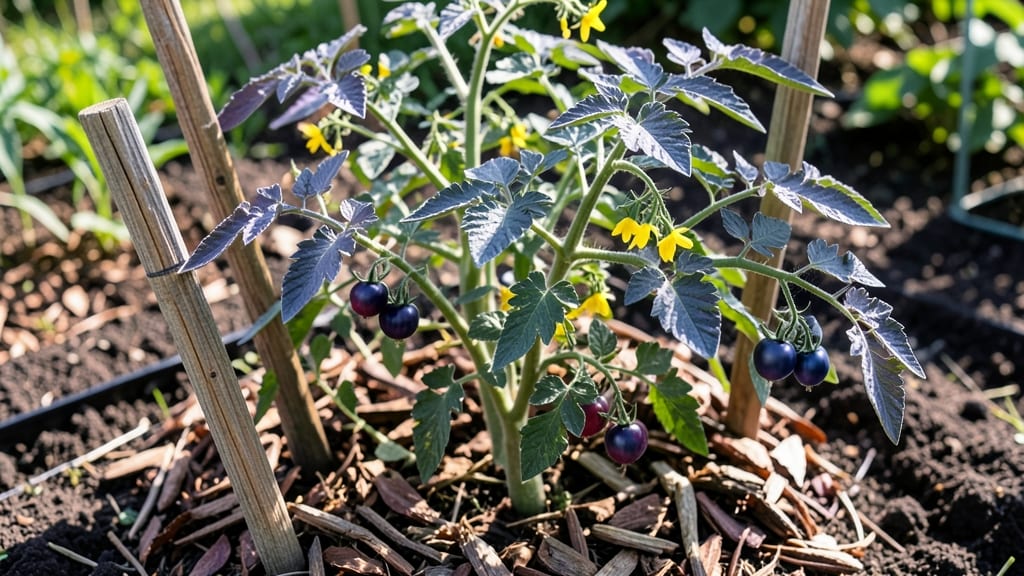
Growing indigo tomato plants unlocks a flavor experience unlike any other heirloom you've tried. 🌱 Their deep purple-black skin hides flesh that stays vibrant even after harvest, and the taste?
A smoky, rich depth that lingers long after the first bite. I grew my first batch last summer, and now I can't imagine my garden without them.
These tomatoes thrive in the same conditions as other heirlooms—full sun, well-draining soil, and consistent moisture—but they demand a little extra attention to prevent cracking. Start with a rich compost mix, plant deep to encourage strong roots, and stake them early.
The key is keeping soil evenly moist without overwatering, which is where most gardeners trip up.
By midsummer, you'll be harvesting tomatoes with skin that ripens from deep purple to black, revealing flesh that stays firm and flavorful for days. The plants also resist common diseases better than many heirlooms, making them a low-maintenance choice for busy gardeners.
Prune suckers regularly to focus energy on fruit production, and watch your harvest grow.
Pair them with basil or oregano for a classic combo, or try them near cucumbers to improve both plants' growth. The indigo's striking appearance and unique flavor make them a conversation starter at any dinner table. Ready to grow something truly special?
📚 In This Guide
- What you need
- Instructions
- Tips and common mistakes
- Wrapping up and next steps
What you need
- ● Indigo tomato seeds or seedlings: Start with 1-3 plants per person (or 1 plant per 2-3 sq ft of space).
- ● Choose heirloom or hybrid varieties like 'Indigo Rose' or 'Black Beauty' for best results.
- ● Containers or garden beds: 5-gallon pots or larger (if container gardening).
- ● Well-draining soil (pH 6.0–6.8). Mix in compost or aged manure for nutrients.
- ● Fertilizer: Balanced organic fertilizer (e.g., 5-5-5 or 10-10-10) or fish emulsion for a nutrient boost.
- ● Calcium supplement (e.g., crushed eggshells or lime) to prevent blossom-end rot.
- ● Support structures: Cages (5-6 ft tall) or trellises for climbing varieties.
- ● Stakes or ties if using a DIY support system.
- ● Watering tools: Drip irrigation or soaker hose (to keep soil consistently moist).
- ● Watering can with a fine rose (for seedlings).
- ● Pruning tools: Sharp bypass pruners (sterilized with rubbing alcohol).
- ● Garden shears for larger cuts.
- ● Mulch (straw or wood chips) to retain moisture and suppress weeds.
- ● Companion plants like basil, borage, or marigolds to deter pests.
- ● Shade cloth (30-50%) for hot climates to protect young plants.
- ● pH testing kit to monitor soil acidity.
- ● Harvest basket or mesh bag to gently collect ripe tomatoes.
Step-by-Step guide to growing indigo tomato plants
Here's how to cultivate these stunning purple-fleshed tomatoes with minimal fuss.
🌱 Step 1: Start Seeds Indoors 6-8 Weeks Before Last Frost
Fill 4-cell seed starting trays with 1 packet of indigo tomato seeds and 2 cups of seed-starting mix. Press the mix down lightly so it's firm but not compacted—this prevents air pockets that slow germination. I like to use a pencil to make small holes about ¼ inch deep, then drop 1-2 seeds per hole. Cover them with a thin layer of additional mix, just enough to hide the seeds.
Mist the surface with a spray bottle until the soil looks uniformly damp but not soggy. Place the tray in a warm spot (70-80°F)—a seedling heat mat works wonders if your home runs cooler. Keep the soil consistently moist by covering the tray with plastic wrap, but remove it immediately once you see the first sprouts. Germination typically takes 7-14 days, depending on your home's warmth.
☀️ Step 2: Provide Bright Light to Prevent Leggy Growth
The moment those first green leaves appear, move the seedlings under grow lights or to a south-facing window. Indigo tomatoes need 14-16 hours of light daily to develop strong stems. I use a full-spectrum LED grow light positioned 2-3 inches above the seedlings, then raise it as they grow to maintain that distance.
Watch for leggy growth—thin, stretched stems with leaves spaced far apart. This happens when light is too weak or distant. If you notice this, move the light closer immediately. Strong seedlings have thick stems, deep green leaves, and compact spacing between leaves. Rotate the tray a quarter turn daily so plants grow straight instead of leaning toward the light.
🪴 Step 3: Transplant to Larger Pots or Garden Beds
When seedlings have 3-4 true leaves (about 4-6 weeks after sowing), it's time to transplant. Fill 5-gallon grow bags or garden beds with 10 gallons of well-draining potting mix. Dig a hole slightly larger than the seedling's root ball, place the plant in, and firm the soil around the base. I like to add a handful of compost to the hole for extra nutrients.
Water deeply right after transplanting to settle the soil and remove any air pockets. Keep the soil consistently moist but not waterlogged—indigo tomatoes hate soggy roots. If transplanting outdoors, wait until nighttime temperatures stay above 55°F to avoid shock. Space plants 24-36 inches apart to allow for their sprawling vines.
✂️ Step 4: Prune and Support for Maximum Yield
Indigo tomatoes benefit from pruning to focus energy on fruit production. Once plants reach 18 inches tall, start removing suckers—the small shoots that grow in the joint between the main stem and branches. Use clean pruning shears to snip these off at the base. I also remove any leaves that touch the soil to prevent disease.
Install cages or stakes as soon as you transplant to support the heavy fruit. Indigo tomatoes can grow 4-6 feet tall, so sturdy support is a must. Water at the base early in the morning to reduce evaporation and fungal risks. You'll know you're on track when you see purple-tinged new growth—a sign these tomatoes are thriving.
🍅 Step 5: Harvest at Peak Ripeness for Best Flavor
Indigo tomatoes ripen when they turn deep purple with a slight softness to the touch. I harvest by gently twisting the fruit from the vine—this avoids damaging the plant. Start picking when fruits are 60-70% ripe if you live in a short growing season, as they'll continue ripening indoors. Store harvested tomatoes in a cool, dark place for up to 2 weeks. The flesh stays vibrant longer than red varieties, making them perfect for slicing, juicing, or roasting.
To encourage more production, pinch off any flowers that appear after the first 4-6 clusters have set fruit. This ensures the plant doesn't spread itself too thin. With proper care, you'll get 4-6 pounds of fruit per plant—enough for a season of stunning purple tomatoes!
Tips & tricks for perfect indigo tomato plants
These little details make all the difference when growing those gorgeous purple tomatoes—trust me, I've learned the hard way!
Germination Temperature Matters: Those 70-80°F warm spot instructions aren't just suggestions—they're critical! I've seen seeds fail to sprout when kept below 70°F, even with perfect moisture. If your home runs cooler, invest in a seedling heat mat. You'll notice sprouts appear in just 5-7 days when conditions are ideal, rather than waiting the full 14 days.
Light Rotation Secret: That daily quarter-turn rotation in Step 2 isn't just about preventing leggy growth—it's about creating stronger stems. I've seen plants grow crooked when left stationary, even with perfect light. Rotate consistently, and you'll get plants that grow straight toward the light source naturally. The difference in stem thickness is noticeable after just a week!
Transplanting Timing: The 4-6 weeks window for transplanting is flexible, but don't wait until the upper end if your last frost date is approaching. I've had to rush transplanting before, and while the plants survived, they took 2 weeks longer to recover. Aim for the 5-week mark if possible—your plants will thank you with faster growth and earlier fruit production.
Pruning Precision: When you start pruning at 18 inches, focus on removing suckers that are larger than your pinky finger. I used to remove everything, but now I leave the smaller ones—they can become productive branches later. Also, sterilize your pruning shears with rubbing alcohol between cuts to prevent disease spread, especially when dealing with those sprawling vines.
Pro Tips for Indigo Tomato Plants
- These little details make all the difference when growing those gorgeous purple tomatoes—trust me, I've learned the hard way!
- Germination Temperature Matters: Those 70-80°F warm spot instructions aren't just suggestions—they're critical!
- Light Rotation Secret: That daily quarter-turn rotation in Step 2 isn't just about preventing leggy growth—it's about creating stronger stems.
Frequently asked questions
Got questions about growing indigo tomato plants? You’re not alone—these stunning purple-fleshed beauties come with a few unique quirks! Here are answers to the most common queries from gardeners just like you.
How long does it take for indigo tomato plants to bear fruit?
Indigo tomatoes typically take 70–90 days from transplant to harvest, depending on your climate and growing conditions. Start seeds indoors 6–8 weeks before the last frost, then plant outdoors after soil warms to at least 55°F (13°C). Patience pays off—these tomatoes are worth the wait!
Do indigo tomatoes need special care compared to regular tomatoes?
Not much! They thrive in the same conditions as heirloom tomatoes—full sun (6–8+ hours/day), well-draining soil, and consistent watering. The key difference? Their purple flesh is more sensitive to heat stress, so mulch heavily to retain moisture and avoid sunscald. Prune suckers and stake or cage plants to prevent sprawl.
Can I grow indigo tomatoes in containers?
Choose a 5-gallon or larger container with drainage holes and fill it with a lightweight potting mix. Dwarf or determinate varieties (like ‘Indigo Rose’) work best. Place containers in a sunny spot, water regularly, and fertilize every 2–3 weeks with a balanced tomato feed. Just ensure the pot stays stable—these plants can get top-heavy!
Why are my indigo tomato leaves turning yellow?
Yellowing leaves usually signal overwatering, nutrient deficiency, or disease. Check the soil—it should be moist but not soggy. If the yellowing starts at the bottom leaves, it’s often nitrogen deficiency (add compost or a balanced fertilizer). For spotted or curled leaves, fungal issues (like early blight) may be at play—remove affected foliage and improve airflow.
What’s the best way to store or preserve indigo tomatoes?
Indigo tomatoes don’t ripen well off the vine, so harvest them at peak color (deep purple) and use them within 3–5 days for fresh eating. For preservation, try sauces, salsas, or fermented hot sauces—their unique flavor shines when cooked! Avoid canning whole due to their soft texture; instead, freeze them in portions for later use.
Are indigo tomatoes safe for kids and pets?
Yes! Indigo tomatoes are non-toxic and safe for humans and pets. Their purple flesh contains anthocyanins (antioxidants), but moderation is key—like all tomatoes, they contain solanine in small amounts. Always supervise pets when sharing garden treats, and wash tomatoes thoroughly before serving.
Wrapping up and next steps
Growing indigo tomato plants is a rewarding journey that brings beauty, flavor, and a touch of whimsy to your garden. Their stunning purple hues and rich taste make them a standout choice for any gardener—whether you're a seasoned pro or just starting out. 🌱✨
Now that you’re armed with the right knowledge, take the next step: plant your seeds or seedlings and watch your garden transform into a vibrant, edible masterpiece. Happy growing, and may your harvest be as colorful as it is delicious!