
Companion Plants
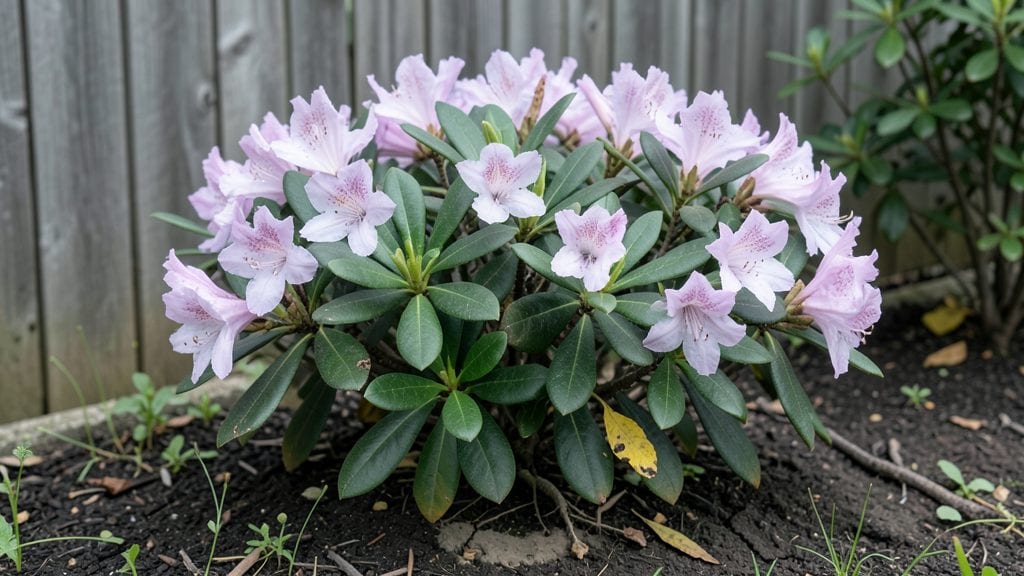
Mount Everest plants are hardy alpine species like Saussurea obvallata (blue star flower) and Rhododendron that thrive in extreme cold, thin air, and rocky terrain due to their cold-resistant adaptations and slow growth cycles. Only a few vascular plants survive above 8,000 meters, where temperatures drop below freezing year-round.
The harsh conditions on Mount Everest—subzero temperatures, low oxygen, and thin soil—have forced these plants to evolve remarkable survival strategies. 🌟 Their compact growth habit and deep root systems help conserve water and energy, while specialized proteins in their cells act like natural antifreeze to prevent damage from extreme cold.
These adaptations make them some of the most resilient plants on Earth, capable of enduring what would kill most others.
What's fascinating is how these plants have inspired gardeners worldwide. Many alpine species, like Edelweiss and Primula denticulata, can thrive in high-altitude gardens with proper care—well-draining soil, full sun exposure, and protection from harsh winds.
Their ability to survive in such extreme environments shows just how tough nature can be when pushed to its limits.
💡 In This Article
- How Extreme Altitude Shapes Everest Plant Survival
- Best Hardy Plants for High-Altitude Gardens
How extreme altitude shapes Everest plant survival
At the 8,000-meter mark and above, where most humans struggle to breathe, Everest's flora has evolved a suite of physiological adaptations that border on the extraordinary. The most critical factor is their ability to thrive in permafrost conditions, where soil temperatures remain below freezing for most of the year.
These plants have developed specialized root systems that can penetrate just a few centimeters into the rocky substrate, accessing any available moisture while avoiding the frozen layers beneath. Their compact, cushion-like growth habit—often just 2-5 centimeters tall—reduces exposure to harsh winds and conserves precious water through thick, waxy leaf surfaces.
The real magic happens at the cellular level. Everest plants produce antifreeze proteins that bind to ice crystals, preventing them from growing and damaging cell walls.
For example, the blue star flower (Saussurea obvallata) contains proteins that lower its freezing point by up to 5°C compared to non-alpine plants. This adaptation is crucial when nighttime temperatures can plummet to -40°C (-40°F) at higher elevations.
Additionally, their slow metabolic rates—growing just 1-2 centimeters per year—allow them to survive prolonged periods of dormancy during the harshest months.
Oxygen deprivation plays a paradoxical role in shaping these ecosystems. While low oxygen limits plant growth at extreme altitudes, it also reduces herbivory pressure. Few insects or mammals can survive above 6,000 meters, creating a natural protection against grazing.
The thin air also forces plants to develop more efficient photosynthetic pathways, though their growth rates remain painfully slow. What's remarkable is how these adaptations create a delicate balance—plants that are barely growing are also barely dying, maintaining fragile ecosystems that have persisted for millennia.
Permafrost acts as both a protector and a constraint. The frozen soil preserves organic matter that would otherwise decompose, creating a thin layer of nutrients that supports these hardy species.
However, this same permafrost limits root penetration, forcing plants to develop shallow but extensive root networks that spread horizontally across the rocky terrain.
Some species, like the Everest rhododendron (Rhododendron barbatum), have evolved to grow in tight clusters, forming protective microclimates that reduce wind exposure and retain moisture.
What most people don't realize is how these adaptations create a visual spectacle. The white, woolly hairs on leaves like those of Saussurea aren't just for insulation—they reflect sunlight, preventing overheating during the brief summer days when temperatures can spike to 10°C (50°F).
This combination of adaptations—cold tolerance, drought resistance, and wind protection—explains why these plants look so alien yet so perfectly adapted to their environment. Their survival isn't just about enduring; it's about thriving in conditions that would crush most life forms.
Consider the Edelweiss (Leontopodium nivale), often called the "queen of the Alps," though it also grows on Everest's lower slopes. Its star-shaped flowers and dense, silver-white foliage are nature's perfect insulation system.
The leaves contain 10-20 times more air spaces than typical plants, reducing water loss while maintaining buoyancy in thin air. This same structure allows it to absorb what little sunlight reaches the high-altitude slopes during the 3-4 month growing season.