
Pests
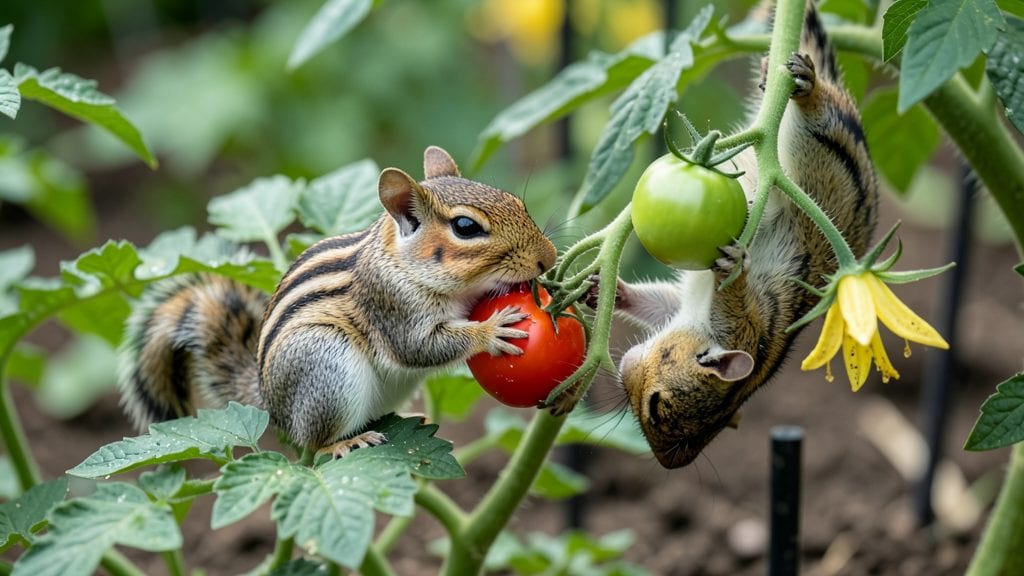
Chipmunks eating tomato plants turned my thriving garden into a strip-mined battlefield last summer. 🌱 I lost half my harvest before I realized these tiny, relentless critters were tunneling under my plants and stripping leaves like they were at an all-you-can-eat buffet.
The good news? Humane deterrents work—but only if you combine them the right way.
The problem isn't just their appetite; it's their behavior. Chipmunks dig burrows near your plants, creating perfect hideouts while they chew through stems and fruit. Most "solutions" fail because they only address one part of the problem.
You need physical barriers, taste deterrents, and habitat disruption working together. My first attempt with cayenne pepper alone lasted three days before they adapted.
What actually works is a layered approach: wire mesh buried around plants, hot pepper spray reapplied weekly, and removing nearby food sources like fallen fruit. Within two weeks, my tomatoes stopped looking like Swiss cheese and started setting fruit again.
The key is persistence—chipmunks give up when they realize your garden isn't worth the effort.
This method works in both in-ground gardens and containers, though raised beds require extra mesh protection. The same principles apply whether you're dealing with one determined chipmunk or a whole colony. Let's get those plants back to growing instead of getting gnawed.
The Real Culprits Behind Garden Raids
Chipmunks may look like tiny, harmless woodland neighbors, but when they set their sights on your tomato plants, they can turn your garden into a buffet—fast. Understanding why these striped bandits target your veggies is the first step to outsmarting them.
Let’s break down the science (and the sneaky strategies) behind their plant-plundering habits.
Tomatoes aren’t just food for chipmunks—they’re a high-value snack packed with nutrients that make them irresistible. Here’s why your plants are basically a five-star restaurant to them:
- Sweet, Juicy Fruit: Ripe tomatoes are loaded with natural sugars and water, offering quick energy and hydration—like a fast-food meal for small mammals.
- Soft, Easy-to-Dig Roots: Chipmunks love to nibble on stems and roots, which are tender and nutrient-dense. Unlike hardy veggies, tomatoes have a delicate structure that’s perfect for their tiny teeth.
- High Protein Seeds: The seeds inside tomato fruits are a protein powerhouse, which is critical for chipmunks preparing for hibernation or raising young.
- Scent Signals: Tomatoes release volatile organic compounds (VOCs) when damaged or ripe, acting like a dinner bell that chipmunks can detect from up to 100 feet away.
💡 Pro Tip: If you’ve ever noticed your tomato plants mysteriously stopped looking stressed after a chipmunk visit, that’s because they’ve already feasted on the most vulnerable spots—leaving behind a “half-eaten” mess that’s even more tempting to return.
Chipmunks are opportunistic foragers, and if your garden is the easiest option around, they’ll treat it like their personal grocery store. Here’s how your landscape might be inviting them over:
| Factor | Why It Matters |
|---|---|
| Urban/Wildland Edge | Chipmunks thrive near transition zones (like your backyard meeting a wooded area). If natural food sources are scarce, they’ll raid gardens for supplements. |
| Lack of Natural Predators | In suburban areas, chipmunks face fewer threats (like owls or foxes), so they feel safer exploring—and snacking—near human spaces. |
| Seasonal Hunger Peaks | Chipmunks cache food in summer/fall for winter. If your tomatoes ripen during these times, they’ll over-harvest to stockpile. |
| Water Sources | Gardens with irrigation or standing water (like drip systems) attract chipmunks, who need hydration—especially in dry spells. |
🔥 Key Insight: Chipmunks don’t just eat tomatoes out of spite—they’re following their survival instincts. If your garden is the only green, hydrated, and protein-rich option in miles, they’ll treat it like a 24/7 buffet. The goal? Make your tomatoes less appealing than their natural alternatives.
Chipmunks aren’t random snackers—they’re strategic. Their feeding patterns align with tomato growth stages, making certain times of day (and year) high-risk for garden raids:
- Dawn and Dusk: Chipmunks are crepuscular, meaning they’re most active during these low-light periods. This is when they’ll boldly approach your plants.
- Post-Rain: Damp soil makes digging easier, and tomatoes taste sweeter after a rain. Chipmunks will double down on foraging.
- Late Summer to Early Fall: As natural food sources dwindle, chipmunks shift to garden crops. This is peak tomato theft season.
- After Disturbances: If you’ve pruned, harvested, or even walked near the plants, the scent disruption can trigger chipmunks to investigate—and snack.
⏰ Actionable Timing Tip: Monitor your garden 30 minutes before sunrise and after sunset—these are the golden hours for chipmunk activity. Set up humane deterrents (like we’ll cover later) during these windows for maximum effectiveness.
Chipmunks aren’t just one-hit wonders—they’re memory masters. Once they discover your tomatoes, they’ll keep coming back because:
- Success Reinforces Behavior: If they find food easily, their brains release dopamine, making them more likely to return to the same spot.
- Scent Marking: Chipmunks leave pheromone trails to guide others (or themselves) back to a “good” food source. A single visit can signal a whole colony.
- Lack of Fear: If they don’t encounter predators or deterrents, they’ll grow bold and expand their raids to nearby plants.
- Competition: Other chipmunks (or even squirrels) will steal their finds, pushing them to over-harvest to secure their own stash.
🎯 Break the Cycle: The moment you notice one chipmunk at your tomatoes, take action. Their return rate skyrockets after the first successful raid—so don’t wait!
Stopping Garden Pests Naturally
If chipmunks have turned your tomato plants into their personal salad bar, don’t panic—there are plenty of humane and effective ways to reclaim your garden without harming these tiny, striped troublemakers. Below, we’ll tackle the most common causes of chipmunk feasts and match them with practical, long-term solutions.
From quick fixes to proactive prevention, these strategies will help you protect your tomatoes while keeping your furry neighbors alive and well.
Chipmunks are opportunistic snackers, and if they’ve found an easy path to your tomato patch, they’ll keep coming back. The first line of defense is making your garden less inviting.
🔒 Secure Your Garden Borders
- Install hardware cloth or wire mesh: Bury a 12-inch deep barrier around your tomato beds (at least 1 foot outward from plants). Chipmunks can dig, so the depth is key! Use 1/4-inch mesh to keep them out without trapping them.
- Use raised beds with solid bottoms: If you’re planting in containers or raised beds, ensure there are no gaps where chipmunks can burrow underneath.
- Pro tip: 💡 Sprinkle coarse sand or gravel around the base of plants—chipmunks dislike digging through it and will often avoid the area.
🌱 Protect Young Plants with Cages
- DIY tomato cages: Wrap wire mesh around individual plants (especially seedlings) until they’re established. Remove once vines are sturdy enough to deter diggers.
- Commercial plant collars: Look for plastic or metal collars designed to keep rodents away from stems.
Chipmunks are attracted to ripe, juicy tomatoes—so why make it easy for them? A few simple tweaks can make your harvest less appealing.
🍆 Harvest Strategically
- Pick tomatoes early: Harvest green tomatoes before they fully ripen indoors. This reduces the window of vulnerability in the garden.
- Use netting: Once tomatoes start coloring, drape fine garden netting over plants to block access while still allowing sunlight and air flow.
🌿 Plant Deterrent Crops
- Interplant with chipmunk dislikes: Surround tomatoes with onions, garlic, or chives—their strong scents repel rodents. Marigolds and basil also work well as natural repellents.
- Avoid planting near woodpiles or brush: Chipmunks nest in these areas and will raid nearby gardens. Keep your tomato patch at least 10 feet away from potential hiding spots.
If chipmunks are still sneaking in, try non-toxic repellents that disrupt their sense of smell or taste without hurting them.
🌶️ Spicy or Pungent Sprays
- Hot pepper spray: Mix 1 tablespoon cayenne pepper + 1 quart water + a few drops of dish soap. Spray around plants (avoid direct contact with leaves). Reapply after rain.
- Commercial repellents: Products like Bobbie Green’s or Liquid Fence contain capsaicin and are safe for pets and wildlife when used as directed.
🧂 Salt or Diatomaceous Earth (Food-Grade Only)
- Sprinkle salt: Chipmunks avoid salty areas. Lightly dust coarse salt around plants (avoid overuse—it can harm soil).
- Food-grade diatomaceous earth: This powder dehydrates pests on contact. Sprinkle a thin layer around the base of plants and reapply after watering.
🎵 Scare Tactics (Temporary but Effective)
- Motion-activated sprinklers: Devices like ScareCrow startle chipmunks with a burst of water when they approach.
- Wind chimes or old CDs: Hang reflective objects near the garden—the movement and noise can deter them.
Once you’ve solved the immediate problem, take steps to keep chipmunks from returning next season.
🌱 Garden Maintenance
- Keep the area tidy: Remove fallen fruit, weeds, and debris where chipmunks might nest or hide.
- Store compost far away: Chipmunks love digging in compost piles—place them at least 20 feet from your garden.
🐾 Habitat Modifications
- Seal entry points: Check sheds, garages, and decks for gaps where chipmunks might nest. Use steel wool or caulk to block holes.
- Provide alternative food sources: Set up a small feeding station with sunflower seeds away from your garden to distract them.
🌿 Seasonal Planning
- Plant late in the season: If possible, delay planting tomatoes until chipmunks are less active (late spring or early summer).
- Use row covers early: Apply floating row covers over young plants until they’re well-established.
With a mix of physical barriers, smart planting strategies, and humane repellents, you can enjoy a thriving tomato harvest without turning your garden into a chipmunk buffet. The key is consistency—combine a few of these methods for the best results! 🍅🚫🐿️
Frequently asked questions
Why do chipmunks suddenly start eating tomato plants when they never bothered before?
Chipmunks target tomatoes when natural food sources dwindle, especially in late summer/fall when they're preparing for winter. They're also drawn to ripe, juicy tomatoes because they're packed with easy-to-digest nutrients. If your garden suddenly becomes their primary food source (due to nearby habitat loss or competition), they'll keep returning until you disrupt their access.
Will cayenne pepper spray really keep chipmunks away from my tomato plants?
Yes, but with caveats! A homemade mix of 1 tablespoon cayenne + 1 quart water + dish soap works temporarily, but chipmunks often adapt within 3-5 days. For lasting results, combine it with physical barriers (like buried wire mesh) and reapply after rain. The key is making your garden less appealing than their natural foraging spots.
Can I use diatomaceous earth around tomato plants without harming the soil?
Only food-grade diatomaceous earth is safe for gardens. Sprinkle a thin layer around plant bases (not directly on leaves) and reapply after watering. It dehydrates pests on contact but breaks down naturally. Avoid overuse—too much can temporarily alter soil pH. For best results, pair it with other deterrents like gravel barriers.
What's the most effective way to protect young tomato seedlings from chipmunks?
Wrap individual seedlings in 1/4-inch hardware cloth cages until they're established (about 4-6 weeks). For raised beds, use solid-bottom containers. The critical window is when plants are small—chipmunks can completely destroy seedlings overnight. Remove cages once vines are sturdy enough to deter digging.
Are there any plants I can grow near tomatoes to naturally repel chipmunks?
Interplant with onions, garlic, chives, marigolds, or basil—their strong scents mask tomato aromas that attract chipmunks. These companion plants also improve tomato health while creating a multi-layered defense. Just keep them at least 12 inches away from tomato stems to prevent competition.