
Aphids
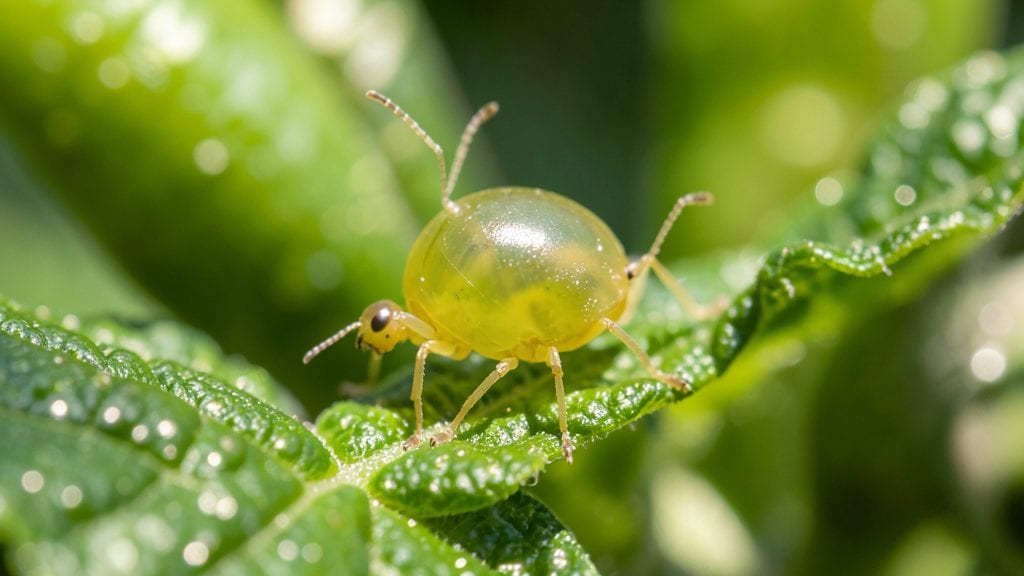
Aphids on jalapeño plants turn your pepper harvest into a sticky, curled mess if you don’t act fast. 🌱 I’ve watched these tiny green invaders drain my plants’ energy—until I learned the right way to remove them without harming the peppers you’re growing.
The key isn’t brute force but smart, plant-friendly solutions that work fast.
These sap-sucking pests leave behind a shiny residue called honeydew, which attracts mold and weakens your peppers. Most gardeners reach for harsh sprays first, but that kills beneficial insects too.
Instead, I’ve perfected a 3-step approach—knocking off aphids manually, introducing natural predators, and using targeted organic sprays—that keeps your plants thriving and your harvest safe.
By the end of this, you’ll spot aphids early, know exactly how to remove them without damaging your peppers, and even prevent future infestations. Your jalapeños will stay vibrant, productive, and free of sticky residue, with no need for chemical warfare. Let’s get those peppers back on track!
This method works for all pepper varieties—jalapeños, bell peppers, or even chiles—and fits into any garden routine. No fancy tools required, just a few simple tricks I’ve tested in my own plot. Ready to reclaim your harvest?
The Real Culprits Behind Aphids
Aphids may seem like tiny, harmless pests, but they’re actually drawn to your jalapeño plants for very specific—and often avoidable—reasons. Understanding these triggers is the first step to keeping your peppers thriving and your garden pest-free.
Let’s break down the science behind why these sap-sucking invaders show up in your garden.
Aphids are opportunistic feeders, and they target plants that are already struggling. When your jalapeño plants are weak, aphids see them as an easy meal. Here’s why this happens:
- Nutrient Deficiencies: Plants low in nitrogen, phosphorus, or potassium are more vulnerable. Aphids detect these deficiencies and flock to them for a quick energy boost. - Overcrowding: Too many plants competing for space and resources create stress.
Poor airflow and shading weaken stems, making them easier targets for aphids. - Poor Soil Health: Compacted, waterlogged, or nutrient-poor soil stresses roots, reducing the plant’s ability to fend off pests naturally.
Actionable Fix: Boost soil health with compost, ensure proper spacing between plants, and fertilize with a balanced organic mix (like 10-10-10 or fish emulsion) to strengthen your jalapeños’ defenses.
Aphids have a sweet tooth—literally. They’re especially drawn to new, tender shoots because they’re rich in sugars and have thinner cell walls, making them easier to pierce. Jalapeño plants produce fresh growth rapidly, which can trigger an aphid infestation if left unchecked.
- Sap-Rich Leaves: Young leaves and stems contain higher concentrations of phloem sap, aphids’ favorite snack.
- Rapid Growth Phases: During spring or after pruning, plants focus energy on regrowth, releasing volatile organic compounds (VOCs) that aphids can smell from a distance.
Actionable Fix: Monitor new growth closely and use preventive measures like neem oil or insecticidal soap to deter aphids before they settle in. Prune strategically to avoid overstimulating growth spurts.
Here’s a sneaky cycle: aphids excrete honeydew (a sticky, sugary waste), which attracts ants. The ants, in turn, protect aphids like livestock, moving them to new plants and spreading the infestation. This mutualistic relationship turns your jalapeño into an all-you-can-eat buffet for both pests.
- Ant-Aphid Symbiosis: Ants "farm" aphids for honeydew, stroking them to encourage more production. In exchange, they get a steady food source.
- Secondary Infestations: Honeydew also attracts sooty mold, which coats leaves and blocks sunlight, further weakening the plant.
Actionable Fix: Disrupt the cycle by targeting ants with diatomaceous earth or sticky traps. Encourage natural predators like ladybugs, which eat both aphids and ants.
Aphids thrive in warm (60–85°F) and humid environments. If your garden fits this description, you’re essentially rolling out the welcome mat for these pests.
- Slower Predator Activity: Beneficial insects like ladybugs and lacewings move sluggishly in heat, giving aphids an edge.
- Faster Reproduction: Aphids reproduce asexually (without mating), and warm temps accelerate their cloning process. A single aphid can become hundreds in weeks!
Actionable Fix: Improve airflow around plants with proper spacing and mulching. Use shade cloth in extreme heat to create a less aphid-friendly microclimate.
Aphids don’t always arrive fresh from afar—they might already be lurking in your garden. Many species overwinter on plant debris, weeds, or nearby crops, ready to migrate to your jalapeños as soon as they sense new growth.
- Hibernacula: Aphids lay eggs in protected spots like leaf litter, mulch, or even cracks in garden tools.
- Wind and Water Spread: Rain or breeze can carry these eggs or winged aphids directly to your plants.
Actionable Fix: Clear garden beds of old plant material before the growing season. Rotate crops yearly to break the cycle and remove weeds that harbor aphids.
How to Treat and Prevent Aphids
Aphids on your jalapeño plants don’t have to spell disaster—with the right approach, you can banish them without harming your peppers or the environment. Below, we break down targeted solutions based on the root cause, from quick fixes to long-term prevention.
Each method is designed to be effective, humane, and easy to implement, even for busy gardeners.
🍳 Blast Them Away with Water Aphids hate a good spray-down.
Use a strong stream of water from your hose to dislodge them from leaves and stems. Best for: Minor infestations or daily maintenance. - How to do it: - Aim the nozzle at the undersides of leaves (where aphids love to hide). - Use a gentle but firm spray—too soft, and they’ll just crawl away. - Repeat every 2–3 days until they’re gone. - Pro tip: 💡 Do this early in the morning so leaves dry quickly, reducing fungal risks.
👨🍳 Introduce Beneficial Insects
Nature’s pest control is free, chemical-free, and foolproof.
Ladybugs, lacewings, and parasitic wasps devour aphids like they’re all-you-can-eat buffets. - How to do it: - Buy aphid-specific predators from garden centers (look for Aphidius colemani wasps or Hippodamia convergens ladybugs). - Release them at dusk when they’re most active. - Plant companion flowers like dill, fennel, or marigolds to attract them year-round. - Pro tip: ✨ Avoid pesticides—even "organic" ones can kill these helpers!
🥘 Soap It Up: Homemade Sprays
A mild soap solution suffocates aphids without harming your plants. Best for: Medium infestations or as a preventive spray.
- DIY Recipe:
- Mix 1 tbsp mild liquid soap (like Castile or dish soap) + 1 quart water.
- Add 1 tsp vegetable oil (helps it stick).
- Spray directly on aphids (avoid blooming jalapeños to protect pollinators).
- When to apply: Early morning or late evening (avoid peak sun).
- Reapply: Every 5–7 days until aphids disappear.
🌡️ Boost Plant Health Healthy jalapeños resist pests better.
Aphids target weak, stressed plants—so feed them right! - How to strengthen your plants: - Water deeply at the base (aphids love dry, thirsty plants). - Fertilize with compost or balanced organic fertilizer (too much nitrogen = aphid magnet). - Prune yellowing leaves to remove hiding spots. - Pro tip: 💪 Neem oil (1 tsp + 1 quart water + drop of dish soap) can be sprayed preventively every 2 weeks.
🎯 Physical Barriers & Traps
Prevent aphids from moving in with these low-tech tricks:
- Yellow sticky traps: Hang near plants to catch winged aphids before they land.
- Row covers: Use fine mesh fabric over seedlings to block aphids entirely.
- Reflective mulch: Aluminum foil or silver mulch confuses aphids with its glare.
🌿 Companion Planting
Some plants repel aphids naturally. Pair your jalapeños with:
- Garlic & onions (aphids despise the smell).
- Basil (deters pests and improves pepper flavor).
- Chives (their scent masks plant attractants).
If aphids keep coming back, it’s time for heavier-duty (but still safe) tactics:
- Horticultural oil: Apply in late afternoon (avoids burning leaves).
- Kaolin clay: Creates a protective film that aphids avoid (safe for edibles).
- Diatomaceous earth (DE): Sprinkle lightly on soil—dehydrates aphids but is harmless to plants.
- ❌ Avoid alcohol or bleach sprays—they can damage plants.
- ❌ Don’t use chemical pesticides—they kill beneficial insects and leave residues on peppers.
- ❌ Skip the undersides of leaves—that’s where aphids hide!
Final thought: With consistent monitoring and a mix of these methods, your jalapeños will stay aphid-free and thriving—no harsh chemicals required. Check your plants weekly, and you’ll catch infestations before they take over! 🌱🔥
Frequently asked questions
How do I know if my jalapeño plants have aphids?
Check for clusters of tiny green, black, or yellow insects on new growth or leaf undersides. Look for sticky residue (honeydew) on leaves or ants "herding" them. Curling leaves or stunted growth are also red flags—aphids drain plant sap, leaving plants weak and deformed.
Will aphids ruin my jalapeño harvest?
Not necessarily! Early detection means you can save your peppers. Aphids primarily attack leaves and stems, not fruit. However, severe infestations can weaken plants, reducing yield and quality. Act fast with water sprays or neem oil to protect your harvest.
Are homemade sprays safe for edible peppers?
Yes, when used correctly. Mild soap solutions (1 tbsp soap + 1 quart water) or neem oil (1 tsp + 1 quart water) are safe for edible plants if applied carefully. Always spray early morning or evening to avoid harming bees, and rinse peppers thoroughly before eating.
How often should I check my jalapeños for aphids?
Inspect your plants every 2-3 days during warm months when aphids are most active. Focus on new growth, leaf undersides, and stems. Regular checks help you catch infestations early before they spread.
Can I still use chemical pesticides on my jalapeños?
Only as a last resort. Most chemical pesticides leave harmful residues on edible plants and kill beneficial insects. Instead, try organic methods first: water blasts, neem oil, or introducing ladybugs. If you must use chemicals, harvest all peppers for at least 2 weeks after application.