
Companion Plants
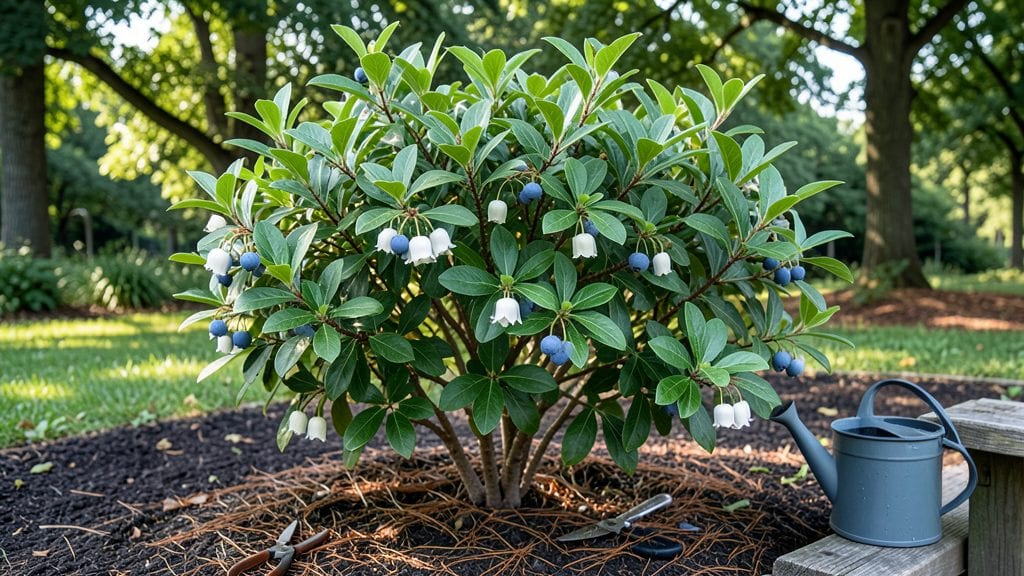
Growing northern blueberry plants means decades of sweet harvests with minimal fuss—these shrubs thrive where many fruits fail. 🌿 I’ve watched mine survive subzero winters and still produce buckets of berries, proving they’re the toughest small fruit around.
The secret isn’t just cold hardiness; it’s the right soil, spacing, and a few smart pruning tricks that keep them productive for generations.
These shrubs demand acidic soil (pH 4.5–5.5) and plenty of organic matter, but they repay the effort with low-maintenance care once established. Plant them in full sun with 3–6 feet between bushes to avoid crowding, and mulch heavily to retain moisture.
Watering is critical during the first two years—keep the soil consistently moist but never soggy, and you’ll set them up for a lifetime of harvests.
By summer, you’ll be picking vibrant blue berries that burst with flavor, and the shrubs themselves become landscape stars with their glossy foliage. Prune in late winter to shape the plant and remove dead wood, and watch as new growth emerges stronger each year.
The best part? These bushes keep producing heavy crops for 30+ years with proper care.
Perfect for zones 3–7, northern blueberries adapt to containers too, making them ideal for small spaces. Whether you’re a first-time fruit grower or a seasoned gardener, these shrubs deliver reliable harvests with minimal drama. Let’s get those bushes planted!
📚 In This Guide
- What you need
- Instructions
- Tips and common mistakes
- Wrapping up and next steps
What you need
- ● Northern blueberry plants (cold-hardy varieties): 3–5 bare-root or potted plants (e.g., Bluecrop, Patriot, or Jersey)
- ● Ensure they’re self-pollinating or plant at least two varieties for cross-pollination.
- ● Well-draining acidic soil: pH 4.5–5.5 (test with a soil kit or send a sample to a lab).
- ● Amend with peat moss or sulfur if soil is alkaline.
- ● Organic mulch: 2–3 inches of pine needles, wood chips, or sawdust (avoid cedar—it’s toxic!).
- ● Fertilizer: High-quality acid-loving plant fertilizer (e.g., Miracle-Gro Azalea/Camellia or Osmocote)
- ● Follow label instructions for low-nitrogen, high-phosphorus ratios.
- ● Watering tools: Drip irrigation system or soaker hose (to keep roots consistently moist).
- ● Watering can (for young plants).
- ● Garden tools: Trowel or hand shovel
- ● Pruners (sterilized with rubbing alcohol)
- ● Garden gloves (to protect from thorns and soil acidity)
- ○ Optional but helpful: Soil pH test kit ($10–$15)
- ● Wire mesh or hardware cloth (to deter voles)
- ● Row cover fabric (for early-season frost protection)
- ● Full-sun location (6+ hours of sunlight daily).
- ● Space: 3–5 feet between plants (they spread over time!).
- ● Patience: Blueberries take 2–3 years to bear fruit but reward you for decades!
How to plant and establish northern blueberry shrubs for long-term harvests
Here's the method I've used to grow productive northern blueberry bushes that thrive in cold climates and reward you with fruit for decades.
🌱 Step 1: Select and Prepare the Planting Site
Northern blueberries demand acidic soil with a pH between 4.5 and 5.5—test your soil before planting. If your yard has neutral soil, amend the planting area with 2-3 inches of peat moss mixed into the top 12 inches of soil. I always dig a hole twice as wide as the root ball but only as deep—planting too deep suffocates roots.
Choose a location with full sun exposure (at least 6-8 hours daily) and well-draining soil. Blueberries hate soggy roots, so avoid low spots where water pools. If your soil drains poorly, raise beds by 6-12 inches or plant in large containers with acidic potting mix. Mulch the area with 3-4 inches of pine needles or wood chips to maintain acidity and retain moisture.
🪴 Step 2: Plant Bare-Root or Container-Grown Shrubs Correctly
For bare-root plants, soak roots in lukewarm water for 2-3 hours before planting to revive them. Position the root flare (where roots meet the stem) just above soil level—burying it too deep causes rot. Spread roots outward in the hole and backfill with amended soil, pressing gently to eliminate air pockets. Water deeply to settle the soil.
If using container-grown plants, remove from the pot and loosen any circling roots. The top of the root ball should sit 1 inch below the surrounding soil line. Plant 4 bushes per 100 square feet—they need space to develop strong canes. Water immediately after planting to reduce transplant shock, and keep soil evenly moist for the first 2 weeks.
☀️ Step 3: Apply Acidifying Fertilizer and Mulch for First Year
Use ammonium sulfate (apply ½ pound per 100 square feet annually) in early spring to lower soil pH and provide nitrogen. I also top-dress with cottonseed meal (apply 1 pound per bush) in late winter—it releases nitrogen slowly and acidifies the soil as it breaks down. Water thoroughly after applying fertilizer to prevent root burn.
Mulch heavily with pine needles, oak leaves, or sulfur-treated wood chips—these materials slowly acidify the soil. Replace mulch annually in early spring to maintain 3-4 inches of coverage. Avoid fresh wood chips, as they can rob nitrogen from the soil. Monitor soil pH every 2-3 years and adjust with amendments if it rises above 5.5.
✂️ Step 4: Prune and Train for Strong Structure
Prune in late winter or early spring before new growth begins. Remove dead, diseased, or crossing branches, then cut back last year’s growth by ⅓ to encourage bushier canes. I always leave 3-5 strong canes per bush—they produce the most fruit. Thin out weak or crowded stems to improve airflow and reduce disease risk.
For container-grown bushes, prune after harvest to shape the plant. Avoid heavy pruning in the first 2-3 years, as young blueberries need all their energy to establish roots. You’ll see new growth from the base—these are your future fruit-bearing canes. Watch for white flowers in spring—they signal the plant is healthy and ready for pollination.
💧 Step 5: Water Deeply and Monitor for Pests/Diseases
Water deeply 1-2 times per week during the first growing season to encourage deep root growth. Mature bushes need 1-1.5 inches of water weekly, but containers dry out faster—check soil moisture daily in summer. Water at the base, not overhead, to prevent fungal diseases like mummy berry or botrytis blight.
Inspect leaves regularly for aphids, spider mites, or scale insects—they thrive in dry conditions. Spray with neem oil or insecticidal soap if you spot pests early. Birds love blueberries, so I net young bushes until they’re established. If you see yellow leaves, it’s often iron chlorosis—apply chelated iron and recheck soil pH, as blueberries need acid-loving nutrients to thrive.
Tips & tricks for perfect northern blueberry planting
Here's what I've learned after years of growing thriving northern blueberry bushes that produce fruit for decades—these are the secrets that make all the difference.
Soil Test First: Don't skip the soil pH test! I've seen gardeners spend hours amending soil only to realize their pH was already perfect. Aim for that 4.5-5.5 range—blueberries are picky about acidity. If your soil tests higher, you'll need to amend with 2-3 inches of peat moss mixed into the top 12 inches of soil. This isn't optional—it's the foundation for healthy plants.
Root Revival Technique: For bare-root plants, that 2-3 hour soak in lukewarm water is crucial—it revives dormant roots and helps them establish faster. I use a bucket of water with a few drops of seaweed extract to give them a gentle boost. Pro tip: Soak the roots while you're preparing the planting hole to save time. Never skip this step, even if the roots look moist.
Planting Depth Matters: Positioning the root flare just above soil level is more important than most gardeners realize. I've buried plants too deep by accident, and it leads to root suffocation and poor growth. Use a small stake to mark the correct depth before planting—this simple visual cue prevents common mistakes. For container-grown plants, remember that 1-inch below soil line rule for the root ball top.
Mulching Strategy: The 3-4 inches of pine needles or wood chips isn't just decoration—it's a slow-release acidifier that maintains the perfect pH. I replace mine annually in early spring, and this consistent coverage prevents pH fluctuations that can stress your bushes. Avoid fresh wood chips, as they can actually rob nitrogen from your soil.
Pro Tips for Northern Blueberry Plants
- Here's what I've learned after years of growing thriving northern blueberry bushes that produce fruit for decades—these are the secrets that make all the difference.
- Soil Test First: Don't skip the soil pH test!
- Root Revival Technique: For bare-root plants, that 2-3 hour soak in lukewarm water is crucial—it revives dormant roots and helps them establish faster.
Frequently asked questions
Got questions about growing northern blueberry plants? You’re not alone! Here are some of the most common queries—plus straightforward answers to help you cultivate thriving bushes with minimal stress.
How do I know if my soil is acidic enough for northern blueberries?
Northern blueberries thrive in soil with a pH between 4.5 and 5.5. Test your soil with a kit (available at garden centers) or send a sample to your local extension office. If the pH is too high, amend with sulfur or peat moss—but avoid overdoing it, as blueberries are sensitive to sudden changes.
When is the best time to plant northern blueberry bushes?
The ideal time is early spring or fall, when the soil is workable but not frozen. Planting in spring gives roots time to establish before summer heat, while fall allows them to settle before winter. Avoid transplanting in mid-summer, as stress from heat and drought can stunt growth.
How long does it take for northern blueberry plants to produce fruit?
Patience is key! Most northern blueberry bushes take 2–3 years to bear fruit after planting. Dwarf varieties may fruit sooner (1–2 years), while standard bushes can take up to 4 years. Pro tip: Prune lightly in early spring to encourage bushier growth and faster fruiting.
What pests or diseases should I watch for with northern blueberries?
Common issues include blueberry maggots, aphids, and mummy berry fungus. Monitor for chewed leaves or fruit (maggots) and remove affected berries immediately. For fungal diseases, ensure good airflow and avoid overhead watering. Organic neem oil or insecticidal soap can help manage pests.
Can I grow northern blueberries in containers? If so, what’s the best setup?
Use a large pot (at least 18–24 inches wide and deep) with acidic potting mix (blend peat moss, perlite, and compost). Choose a dwarf variety like ‘Top Hat’ or ‘Patriot.’ Place containers in full sun and water consistently—containers dry out faster than garden beds. Fertilize with an acid-loving plant formula in early spring.
How do I prune northern blueberry bushes for maximum yield?
Prune in late winter or early spring before new growth starts. Remove dead, diseased, or crossing branches, then thin out older canes (over 5 years old) to improve airflow. Cut back 1/3 of the oldest canes annually to encourage new, fruiting wood. Pro tip: Use sterilized pruners to prevent spreading disease.
Wrapping up and next steps
Growing northern blueberry plants is a rewarding journey that blends resilience with delicious results! These cold-hardy shrubs thrive in diverse climates, offering decades of fruit-bearing joy with minimal fuss. Whether you're a seasoned gardener or just starting, their adaptability and low-maintenance nature make them a fantastic addition to any landscape.
Ready to take the next step? Start by selecting the perfect spot—acidic soil and full sun are your best friends! Plant your bushes this season and watch as they flourish, year after year. Happy gardening! 🌱✨