
Companion Plants
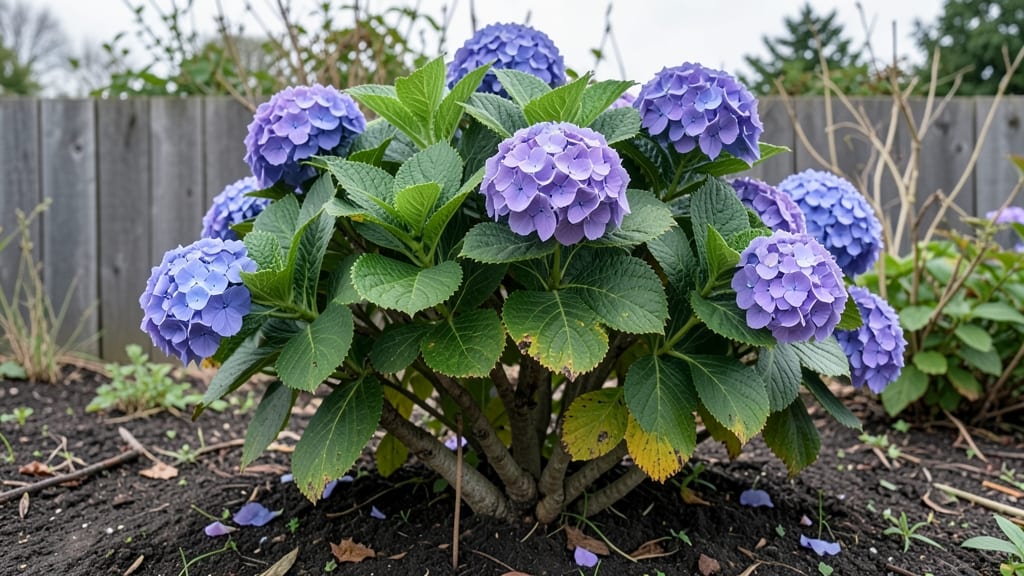
Those stunning purple hydrangea plants aren’t just summer stars—they can steal the show all year with the right care. 💜 I've watched mine transform from spring's first flush of buds to winter's dried blooms, and the secret isn't complicated: it's about understanding their two personalities (Bigleaf and Panicle types behave differently) and giving them exactly what they crave.
The payoff? Vibrant blooms that last from early summer through frost, plus those stunning dried flower heads that add texture to winter arrangements.
Here's the game-changer: Bigleaf hydrangeas (Hydrangea macrophylla) need acidic soil to stay purple—think azaleas and blueberries as their soil-mate cousins. Panicle types (H. paniculata) like 'Limelight' are more forgiving but still thrive with consistent moisture and well-draining soil.
Both hate soggy roots, so raised beds or containers with drainage holes work wonders. The real magic happens when you match their sunlight needs—morning sun and afternoon shade keeps leaves lush while protecting blooms from scorching.
Pruning feels intimidating, but I've simplified it to three rules: cut back old wood in late winter, shape in early spring, and deadhead spent blooms all season. Feed them with a slow-release fertilizer in spring, then let nature handle the rest.
The result? Bushes that grow 3-5 feet tall with blooms so dense they look like clouds of color. Even better, those dried flower heads become natural decor that lasts months—no green thumb required.
This works for garden beds, containers, or even as a privacy screen. The key is consistency: check soil moisture weekly, adjust pH if colors fade, and prune at the right time.
Once you master these basics, your hydrangeas will reward you with year-round interest—fresh blooms in summer, winter structure, and that "I did this" pride every time you see them.
📚 In This Guide
- What you need
- Instructions
- Tips and common mistakes
- Wrapping up and next steps
What you need
- ● Purple hydrangea plants: 1–3 mature shrubs (or seeds/cuttings for propagation). Look for Hydrangea macrophylla varieties like 'Nikko Blue,' 'Endless Summer,' or 'Limelight' for reliable purple blooms.
- ● Well-draining potting mix: 5–10 gallons (for containers) or amend garden soil with 2–3 inches of compost and 1 part perlite/sand to improve drainage.
- ● Organic mulch: 2–3 inches of pine bark, shredded leaves, or straw to retain moisture and regulate soil temperature.
- ● Slow-release fertilizer: A balanced 10-10-10 or acid-loving plant fertilizer (e.g., Miracle-Gro Azalea/Camellia). Apply twice a year (spring/fall).
- ● pH test kit: Hydrangeas thrive in acidic soil (pH 5.2–6.0). Adjust with sulfur or aluminum sulfate if needed.
- ● Garden trowel or shovel (for planting)
- ● Pruning shears (sterilized with rubbing alcohol)
- ● Watering can or hose with a gentle spray nozzle
- ● Gloves (to protect hands from thorns and soil)
- ○ Container (optional): A 15–25 gallon pot with drainage holes if growing in containers. Use a lightweight, breathable fabric pot for better root health.
- ● A sunny to partially shaded spot (4–6 hours of morning sun or dappled afternoon shade). Avoid harsh afternoon sun in hot climates.
- ● Consistent moisture: Hydrangeas hate drought! Plan for 1–1.5 inches of water per week (more in containers).
- ● Patience: Container-grown plants may take 1–2 years to bloom fully, while established shrubs reward you with color year-round with proper care!
Step-by-step guide to growing thriving purple hydrangeas
Here's my foolproof approach to coaxing those stunning purple blooms from your hydrangeas—no guesswork, just consistent results.
🌱 Step 1: Choose the Right Location and Soil
Purple hydrangeas need partial shade—think morning sun with afternoon shade or dappled sunlight under trees. Too much direct sun fades their color, while too little shade weakens blooms. I test spots by watching how sunlight moves through the day; the ideal location gets 4-6 hours of gentle light.
Amend your soil with 2-3 inches of organic compost to improve drainage and acidity. Purple hydrangeas thrive in soil with a pH between 5.2 and 5.5—test your soil first with a simple kit. If your soil is alkaline, mix in peat moss to lower the pH naturally. Avoid heavy clay soil; it holds too much moisture and risks root rot.
☀️ Step 2: Plant at the Correct Depth and Spacing
Dig a hole twice as wide as the root ball but only as deep—hydrangeas hate being buried too deep, which can strangle the roots. Gently loosen the roots if they're circling the root ball before placing the plant in the hole. Space your hydrangeas 4-6 feet apart to allow airflow and prevent disease.
Fill the hole with soil, pressing lightly to remove air pockets, but don’t compact it too firmly. Water deeply right after planting to settle the soil and encourage root contact. Mulch around the base with 2-3 inches of shredded bark, keeping it 3 inches away from the stem to prevent rot. This mulch layer keeps roots cool and retains moisture.
💧 Step 3: Water and Fertilize for Vibrant Blooms
Water your hydrangeas deeply 1-2 times per week, aiming for 1-1.5 inches of water per session. Purple hydrangeas are drought-tolerant once established, but consistent moisture keeps blooms plump and vibrant. You’ll know you’re watering enough when the top 2 inches of soil feel dry before the next watering.
Feed your hydrangeas in early spring with a balanced, acid-loving fertilizer (like one formulated for azaleas or rhododendrons). Avoid high-nitrogen fertilizers—they promote leafy growth at the expense of flowers. In mid-summer, switch to a low-nitrogen, high-phosphorus fertilizer to encourage blooming. Stop fertilizing by mid-August to let the plant focus on preparing for winter.
✂️ Step 4: Prune for Health and Abundant Blooms
Prune your hydrangeas in late winter or early spring, just as new growth begins. Remove dead, weak, or crossing branches first—these can block sunlight and air flow. For mature plants, cut back last year’s stems by about one-third to encourage bushier growth and more blooms. Never prune in fall; you risk cutting off next year’s flower buds.
Watch for yellowing leaves or stunted growth, which often signal over-pruning or poor drainage. If you see brown, crispy edges on leaves, your plant might be getting too much sun or not enough water. Adjust care accordingly—hydrangeas are forgiving but need consistent conditions to thrive.
⏰ Step 5: Prepare for Winter and Next Season
In late fall, apply a 3-inch layer of mulch around the base of your hydrangeas to insulate roots from freezing temperatures. Purple hydrangeas are hardy in USDA zones 5-9, but younger plants or harsh winters may need extra protection. Wrap the base of the plant in burlap if temperatures drop below 10°F for extended periods.
Start planning for next year’s blooms by noting which stems produced flowers—this helps you prune more effectively in spring. If your hydrangeas struggle with powdery mildew (a white, dusty coating on leaves), improve airflow by spacing plants farther apart and avoid overhead watering. With consistent care, your purple hydrangeas will reward you with bold, long-lasting color year after year.
Tips & tricks for perfect purple hydrangea blooms
A few simple tricks will help your purple hydrangeas thrive and produce stunning blooms year after year.
Location Testing: I learned this the hard way—don't guess about sunlight! Observe potential planting spots throughout the day. The perfect location gets 4-6 hours of gentle morning light with afternoon shade. Use a white sheet to track sunlight patterns for a week before planting. This prevents color fading from too much sun or weak growth from insufficient light.
Soil pH Strategy: Purple hydrangeas are divas about acidity! Test your soil pH first—most garden centers sell affordable kits. If your soil is above 5.5, mix in peat moss to lower the pH gradually. I've seen dramatic color changes within just a few weeks after adjusting pH. For established plants, you can also add cottonseed meal as a slow-release acidifier.
Watering Wisdom: Those 1-1.5 inches of water per week matter more than you think. I use a rain gauge to track rainfall and only water when the top 2 inches of soil feel dry. Water deeply at the base rather than overhead—this prevents powdery mildew and keeps blooms vibrant. Early morning watering gives foliage time to dry before evening, which helps prevent fungal issues.
Winter Protection: When temperatures drop below 10°F, take extra precautions. Wrap the base of your hydrangeas with burlap and add a 3-inch layer of mulch around the root zone. For young plants or harsh winters, consider wrapping the entire plant with burlap and twine. This insulation helps roots survive freezing temperatures while still allowing airflow to prevent rot.
Pro Tips for Purple Hydrangea Plants
- A few simple tricks will help your purple hydrangeas thrive and produce stunning blooms year after year.
- Location Testing: I learned this the hard way—don't guess about sunlight!
- Soil pH Strategy: Purple hydrangeas are divas about acidity!
Frequently asked questions
Got questions about keeping your purple hydrangeas vibrant and healthy? You’re not alone! Here are some of the most common queries—plus quick, actionable answers to keep those blooms thriving all season.
Why aren’t my purple hydrangeas staying purple?
Hydrangea color shifts with soil pH! Blue/purple blooms love acidic soil (pH 5.0–5.5). Test your soil—if it’s alkaline (pH 6.0+), amend with sulfur or peat moss and recheck in 2–3 months. Pro tip: Coffee grounds (used, not fresh!) can help acidify soil naturally over time.
When is the best time to prune purple hydrangeas?
Timing matters! For bigleaf hydrangeas (most common purple varieties), prune right after blooming (late spring/early summer). Avoid cutting back in fall/winter—you’ll sacrifice next year’s flowers. Exception: If deadheading spent blooms in summer, do it gently to encourage reblooming.
How often should I water purple hydrangeas?
Consistency is key! These thirsty plants need 1–1.5 inches of water weekly (more in extreme heat). Mulch around the base to retain moisture, and water deeply at the soil level—not just a quick sprinkle. Yellowing leaves? Often a sign of underwatering (or overwatering—check for soggy roots!).
Can I grow purple hydrangeas in containers?
Just pick a large container (15+ gallons) with drainage holes and use acidic potting mix. Container hydrangeas dry out faster, so water daily in hot weather. Bonus: Move pots to partial shade in afternoon for deeper purple blooms—direct sun can bleach colors.
What pests should I watch for on purple hydrangeas?
Keep an eye out for aphids, spider mites, and scale insects, which love hydrangea sap. Treat mild infestations with a soapy water spray (1 tsp mild soap + 1 quart water). For stubborn pests, neem oil or insecticidal soap works well. Early detection = easier fixes!
Are there purple hydrangea alternatives for colder climates?
Yes! If your zone is Zone 4 or colder, try ‘Nikko Blue’ or ‘Endless Summer’ varieties—they’re hardier and still produce stunning purple blooms. For extra cold protection, plant near a south-facing wall or mulch heavily in winter. Pro tip: Wrap young plants in burlap for the first few winters.
Wrapping up and next steps
Growing purple hydrangea plants is a rewarding journey that brings vibrant color and charm to your garden year after year! 🌸 With the right care—from choosing the perfect soil to mastering pruning and companion planting—you’ll unlock their full potential.
Whether you’re a seasoned gardener or just starting, these secrets will help you cultivate stunning blooms that turn heads and lift spirits.
Ready to dive in? Start small—pick a sunny spot, gather your supplies, and plant with confidence! Your future purple paradise awaits, and every step you take brings you closer to that dream garden. Happy planting! 🌿✨