
Blooming
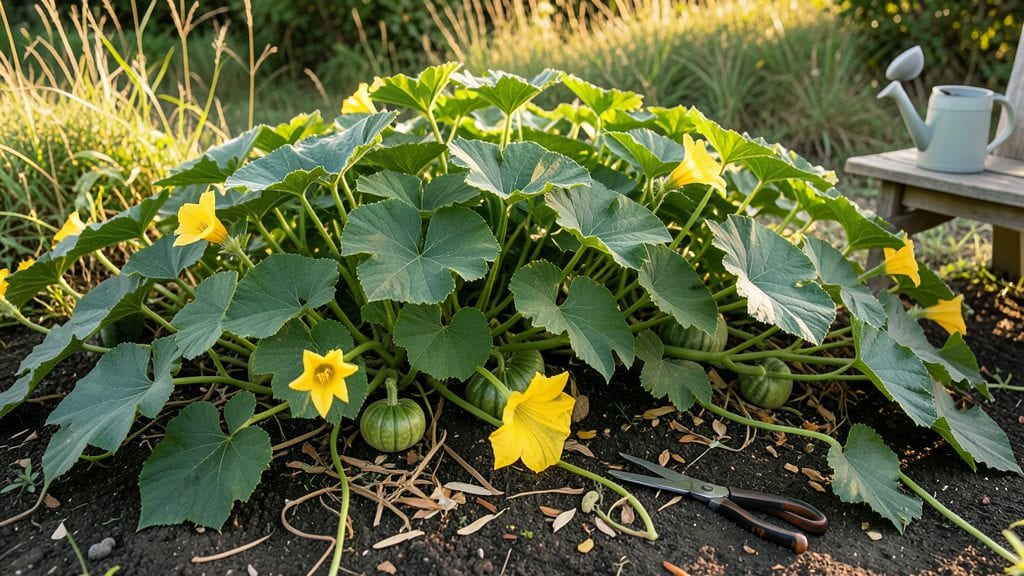
Pumpkin plants blooming like clockwork means you’re one step closer to that golden harvest—and a backyard buzzing with bees. 🌻 I’ve watched my vines go from scraggly stems to a jungle of vibrant orange blossoms in just six weeks, all by tweaking a few key things most gardeners miss.
The secret isn’t just warm soil or long days—it’s about timing, water, and giving those flowers the right stage to shine.
Here’s the thing—pumpkins need consistent moisture (not soggy soil) and full sun (6+ hours daily) to trigger blooms.
In cooler zones like mine (Zone 5), I start seeds indoors by mid-April so they’re ready to hit the garden when temps stay above 60°F. Skip the rush, and you’ll end up with weak vines that struggle to produce.
The first male flowers (those with long stems) appear first—let them go to waste unless you’re hand-pollinating for seed saving.
When those cup-shaped female flowers show up (look for the tiny pumpkin at their base), you’re in business. A single healthy vine can produce 50+ blooms, but only a fraction will turn into fruit.
The key? Prune aggressively after the first fruit sets—too many pumpkins drain the plant, leaving the rest small and bitter. By midsummer, your patch becomes a pollinator paradise, with hummingbirds and bees treating it like an all-you-can-eat buffet.
Regional tweaks matter: In hotter zones (like Zone 9), pumpkins bloom year-round if watered right, while cooler climates need black plastic mulch to warm the soil early. Avoid the mistake of over-fertilizing with nitrogen—too much leaf, too few flowers.
Instead, side-dress with low-nitrogen compost when blooms appear. Now, grab those gloves—your pumpkin patch is about to get busy.
📚 In This Guide
- What you need
- Instructions
- Tips and common mistakes
- Wrapping up and next steps
What you need
- ● Pumpkin Seeds: 3–5 seeds per plant (or 1–2 per pot if container gardening). Choose heirloom or pollinator-friendly varieties like Cinderella or Jack Be Little.
- ● Potting Soil: 1–2 bags (2–3 cubic feet each) of high-quality, well-draining potting mix (or garden soil amended with compost).
- ○ Containers (Optional): 5–10 gallon pots with drainage holes (if not planting in-ground).
- ● Fertilizer: Balanced organic fertilizer (10-10-10 or 5-5-5 NPK ratio) for planting.
- ● Slow-release granular fertilizer (e.g., Osmocote) or compost tea for ongoing nourishment.
- ● Mulch: Straw or shredded leaves (2–3 inches thick) to retain moisture and suppress weeds.
- ● Watering Can or Hose: With a gentle spray nozzle for hydration.
- ● Garden Gloves: A pair to protect your hands from thorns and soil.
- ● Pruning Shears: For trimming excess vines or dead blooms.
- ○ Trellis or Cage (Optional): For bush varieties to save space.
- ● Sunlight: Full sun (6–8+ hours daily). Partial shade may reduce blooms.
- ● Warmth: Soil temps above 60°F (15°C) for germination.
- ● Space: 3–5 feet between plants (or vines if sprawling).
- ● Water Access: Consistent moisture (1–2 inches per week). Drought-tolerant once established!
- ● Pollinators: Bees, butterflies, and hummingbirds—your garden’s unsung heroes! 🐝
Step-by-Step guide to encouraging pumpkin plants to bloom abundantly
Here’s how to transform your vines into a pollinator paradise with vibrant blooms.
🌱 Step 1: Select and Plant Vigorous Seedlings
Start with healthy, disease-free pumpkin seedlings from a reputable nursery. I always choose varieties like ‘Jack Be Little’ or ‘Sugar Pie’—they’re reliable bloomers even in shorter seasons. Plant them in well-draining soil enriched with 2-3 inches of compost (mixed into the top 12 inches of soil) to ensure strong root development.
Space seedlings 3-4 feet apart in full sun (at least 8 hours daily). Pumpkins need warmth to thrive, so wait until soil temperatures reach 60°F before transplanting. If your growing season is short, opt for faster-maturing varieties—75-90 days to maturity guarantees more time for blooming.
☀️ Step 2: Provide Ideal Growing Conditions
Pumpkin vines crave warmth and consistent moisture—never let soil dry out completely. Water deeply 1-2 inches per week, directing streams to the base of the plant (not the leaves) to prevent fungal diseases like powdery mildew. Mulch with straw or shredded leaves (spread 2-3 inches thick) to retain moisture and regulate soil temperature.
If daytime temperatures dip below 70°F, blooms may drop. Use row covers or black plastic mulch to warm the soil and air around the vines. I’ve found that even a 5°F boost can trigger more consistent flowering. Monitor for pests like squash bugs—handpick eggs or use neem oil at the first sign of trouble.
💧 Step 3: Fertilize for Strong Bloom Production
Feed plants every 3-4 weeks with a balanced fertilizer (10-10-10 or 5-5-5) to encourage both vine growth and flower production. I switch to a low-nitrogen, high-phosphorus formula (like 3-6-6) once vines start running to boost blooming. Apply fertilizer early in the morning when dew is present—this minimizes leaf burn.
Over-fertilizing with nitrogen leads to lush foliage but fewer blooms. Watch for yellowing leaves or stunted growth—these are signs of overfeeding. Instead, focus on root health: water deeply before fertilizing to help nutrients absorb evenly.
⏰ Step 4: Hand-Pollinate for Guaranteed Fruit Set
Pumpkin flowers are short-lived (often dropping by midday), so hand-pollination increases your chances of fruit set. On mild, dry mornings, gently brush the male flowers (with long stems and no swelling at the base) against the female flowers (which have a tiny pumpkin at their base). Repeat this every 2-3 days for 2-3 weeks after the first blooms appear.
If you’re growing in a greenhouse or urban setting, consider attracting pollinators with native flowering plants nearby. Bee balm, sunflowers, or marigolds planted 10-15 feet away create a pollinator-friendly zone. Avoid pesticides—even organic ones can deter bees during critical blooming periods.
🌿 Step 5: Prune and Maintain for Continuous Blooms
Prune overly aggressive vines to redirect energy toward flowering. Remove suckers (small shoots at the base of the main stem) to prevent competition for nutrients. I leave 2-3 primary vines per plant, trimming side growth that crowds the main stems.
Deadhead spent blooms (remove wilted flowers) to encourage new flower production. This isn’t always necessary—some varieties like ‘Cinderella’ produce flowers continuously—but it helps prolong the blooming season by reducing stress on the plant. Harvest small pumpkins (3-5 inches) early to encourage more fruit set.
Tips & tricks for perfect pumpkin plant blooming
Transforming pumpkin vines into a blooming paradise requires attention to detail—and I’ve learned these tricks after years of trial and error in my own garden.
Soil Temperature is Non-Negotiable: That 60°F soil temperature threshold in Step 1 isn't just a suggestion—it's the magic number where roots actually start growing. I've seen seedlings languish for weeks in cooler soils, no matter how much water you give them. Use a soil thermometer to verify before planting, especially in spring or fall. For cooler climates, consider black plastic mulch laid down 2-3 weeks before planting to warm the soil naturally.
Watering Strategy for Consistent Blooms: The 1-2 inches per week guideline in Step 2 works, but timing matters more than you'd think. I water deeply in the morning when temperatures are cooler, which reduces evaporation and prevents fungal issues. The key is keeping that mulch moist—not soggy. Think of it like giving your plants a daily drink rather than a weekly bath. Overwatering stresses plants just as much as underwatering.
Fertilizer Timing Secrets: Switching to that low-nitrogen, high-phosphorus formula in Step 3 is crucial, but here's what nobody tells you: the transition matters. I make the switch when the first true leaves appear—not when vines start running. This gives your plants time to adjust without shocking their system. And always water thoroughly before applying fertilizer—this helps prevent root burn from concentrated nutrients.
Hand-Pollination Pro Tips: Those 2-3 weeks of hand-pollination in Step 4 are your golden opportunity. I've found that using a soft paintbrush (not your fingers) gives you more control and prevents damaging delicate petals. Do this between 7-9am when flowers are fully open but before bees get too active. Pro tip: Mark pollinated female flowers with a toothpick to avoid double-pollination, which can lead to deformed fruit.
Pro Tips for Pumpkin Plants Blooming
- Transforming pumpkin vines into a blooming paradise requires attention to detail—and I’ve learned these tricks after years of trial and error in my own garden.
- Soil Temperature is Non-Negotiable: That 60°F soil temperature threshold in Step 1 isn't just a suggestion—it's the magic number where roots actually start growing.
- Watering Strategy for Consistent Blooms: The 1-2 inches per week guideline in Step 2 works, but timing matters more than you'd think.
Frequently asked questions
Got questions about coaxing those stunning pumpkin plant blooms to life? You’re not alone! Here are answers to the most common queries—from timing tricks to troubleshooting—so you can enjoy a year-round pollinator paradise with vibrant orange beauty.
When do pumpkin plants typically bloom?
Most pumpkin varieties bloom 60–90 days after planting, depending on the type. Vining varieties (like Jack Be Little) may take longer, while bush types (e.g., Sugar Pie) bloom faster. Warmth triggers blooms—wait until nighttime temps stay above 55°F (13°C) for consistent flowers.
Why aren’t my pumpkin flowers opening?
Slow or no blooms often stem from insufficient sunlight (6+ hours/day), cool temps, or overcrowding. Check your plant’s leaves—if they’re leggy or pale, it’s starving for light. Boost blooms by pruning excess vines and fertilizing with low-nitrogen, high-phosphorus feed (like 5-10-10).
How can I encourage more blooms for pollinators?
Pumpkins rely on bees! Hand-pollinate by gently transferring pollen with a paintbrush between male (long stems) and female (tiny pumpkins at base) flowers. For year-round blooms, plant cold-hardy varieties (e.g., ‘Winter Luxury’) or grow in containers near a sunny window. Bonus: Deadhead spent blooms to redirect energy to new flowers!
Can I grow pumpkins indoors for blooms?
Yes, but expect smaller, fewer blooms than outdoors. Use a large container (15+ gallons), a full-spectrum grow light (12+ hours/day), and a self-pollinating variety like ‘Baby Boo.’ Keep temps warm (70–85°F / 21–29°C) and humidity high. Pro tip: Rotate the plant weekly for even growth!
What if my pumpkin plant blooms but no fruit forms?
Missing fruit often means pollination failure, poor soil health, or overwatering. Check for:
- Bees (or hand-pollinate).
- Soil pH (aim for 6.0–6.8; test with a kit).
- Watering (keep soil moist but not soggy).
- Nutrients (add compost or a balanced fertilizer).
Are there pumpkin varieties that bloom year-round?
No variety blooms truly year-round, but you can extend the season with:
- Greenhouse growing (protects from frost).
- Container gardening (move indoors in winter).
- Succession planting (sow new seeds every 2–3 weeks).
- Cold-hardy varieties (e.g., ‘Autumn Gold’ tolerates light frost).
Wrapping up and next steps
Watching your pumpkin plants blooming isn’t just a seasonal delight—it’s a celebration of nature’s beauty and a gift to pollinators! 🌸 Whether you’re growing them for harvest, aesthetics, or supporting bees, these vibrant blooms bring joy and purpose to your garden.
Now that you’re equipped with the how-to, why not take the next step?
Start small: plant a few seeds or transplant a young pumpkin this week! Share your progress with fellow gardeners or snap photos of those stunning orange blossoms—your garden’s hard work deserves to be seen. Happy growing! 🌱