Pruning
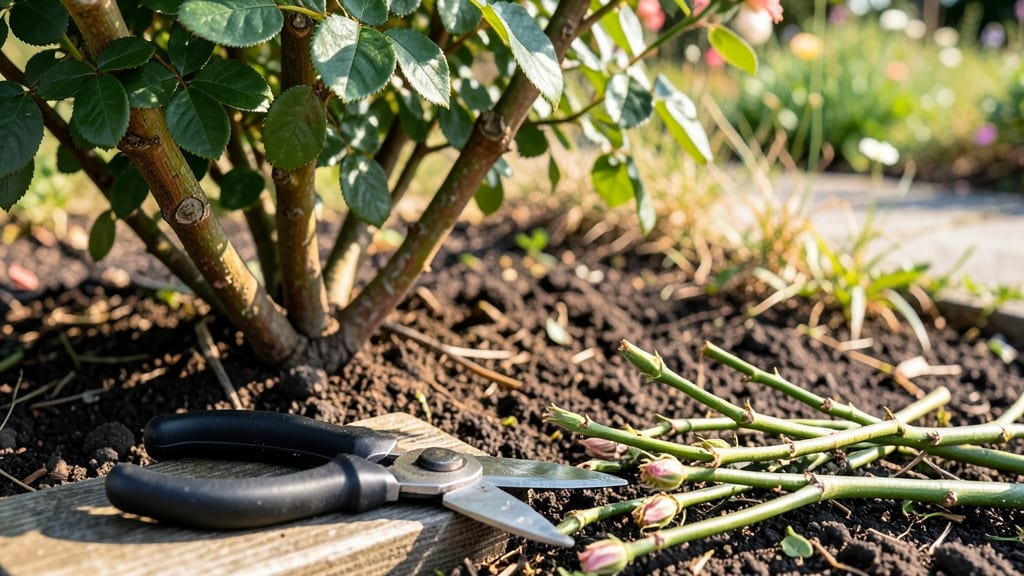
Understanding the meaning of pruning plants reveals it’s not just cutting—it’s a strategic way to boost growth, enhance fruit production, and extend plant lifespan by eliminating weak or sick branches while optimizing light and airflow access.
Pruning works like a plant’s built-in growth reset button. When you trim strategically, you’re not just shaping the plant—you’re telling it where to focus its energy. 🌿 For example, removing crowded branches lets sunlight reach inner leaves, which triggers more photosynthesis and stronger stems.
This isn’t just theory: studies show properly pruned fruit trees can produce 20-30% more yield by redirecting resources to fruit-bearing branches instead of excess foliage.
What’s fascinating is how plants respond biochemically. Cutting releases auxin hormones, which stimulate lateral buds to grow into new branches. This is why a well-pruned rose bush might bloom twice in one season—it’s not just luck, it’s science.
The key is timing: prune at the right moment (like late winter for dormant trees), and you’ll see dramatic improvements in both structure and productivity.
💡 In This Article
- How Pruning Affects Plant Growth Mechanisms
- Best Pruning Practices for Fruit Trees and Ornamentals
How pruning affects plant growth mechanisms
When you prune a plant, you're essentially interrupting its natural growth pattern by removing specific branches or buds. This triggers a hormonal cascade starting with auxin, a plant growth regulator produced at the tips of stems.
Auxin suppresses lateral buds through a phenomenon called apical dominance, where the terminal bud (the very top) inhibits side branches from growing. By cutting this dominant tip, you remove the auxin source, allowing dormant lateral buds to wake up and grow into new branches.
The biochemical response happens within hours. Studies show auxin levels drop by 40-60% at the cut site within 24 hours, while cytokinins (another growth hormone) rise in nearby buds, signaling them to break dormancy. This isn't just theoretical—you can see it in practice.
A tomato plant pruned at 18 inches height will develop 3-5 new lateral shoots within 3-4 weeks, each capable of producing fruit. The key is precision: removing 1/3 of the plant's foliage typically triggers optimal branching without stressing the plant.
Root development gets a boost too. When above-ground growth slows due to pruning, the plant redirects energy downward, stimulating root expansion. Research on apple trees shows that heavy pruning in early spring can increase root growth by up to 25% by mid-summer, creating a more stable anchor.
This is why professional orchardists prune fruit trees aggressively—they're not just shaping the canopy, they're building a stronger foundation. The trade-off? Too much pruning at once can shock the plant, so gradual reductions work best.
Flowering cycles also shift dramatically. Many plants, like roses or hydrangeas, produce flowers on new wood (current year's growth). Pruning in late winter removes old, spent stems and stimulates fresh growth that will bear flowers.
For fruit trees, the timing matters even more: pruning peach trees too late in summer can delay next year's bloom by 2-3 weeks because the plant needs time to harden off before winter. The science here involves photoperiodism—how daylight length affects flower initiation.
Airflow becomes the hidden hero. Dense foliage traps moisture, creating ideal conditions for fungal diseases like powdery mildew. Pruning opens up the plant's structure, reducing humidity at the branch level by 30-50% in some cases.
This isn't just about disease prevention—better airflow means more photosynthesis throughout the plant, not just the outer leaves. Think of it like giving your plant a spa day: more light penetration, better air circulation, and reduced stress all combine to create a healthier, more productive specimen.
What most gardeners overlook is how pruning affects the plant's carbon-to-nitrogen ratio. Removing leafy growth reduces the plant's carbon supply (from photosynthesis), while roots continue to absorb nitrogen from the soil.
This imbalance forces the plant to adapt by growing more leaves to compensate—another reason why pruned plants often rebound with vigorous new growth. The magic number? Aim to remove no more than 25% of the plant's foliage in a single session to avoid nutrient stress.