
Companion Plants
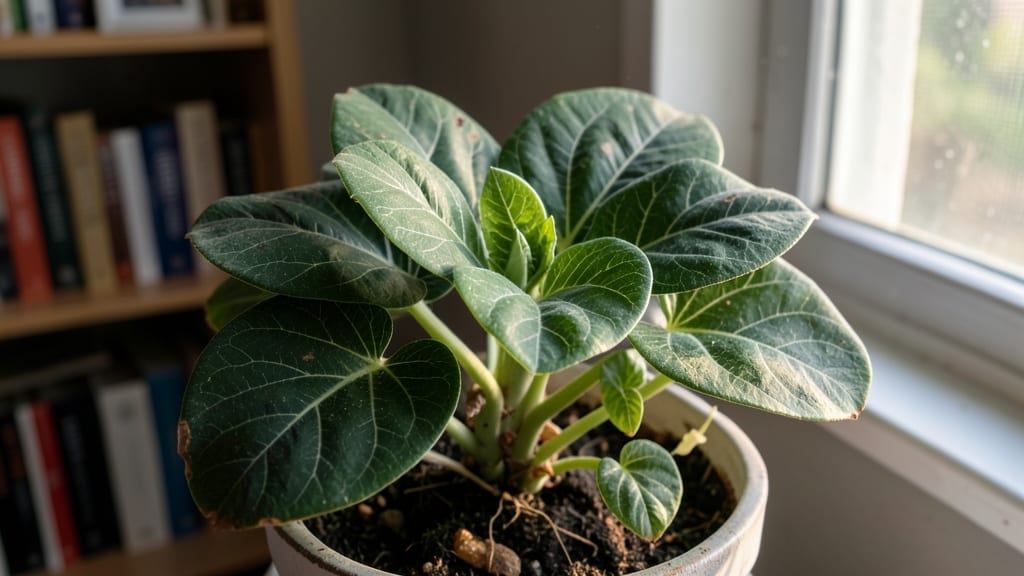
Those mesmerizing praying plants images aren't just art—they're living sculptures that transform any room into a lush sanctuary. 🌿 I remember the first time I saw Maranta leuconeura in person, its leaves folding like hands at prayer, and instantly knew it belonged in my home.
These plants don't just survive indoors; they thrive as the centerpiece of any space, whether nestled in a terrarium or hanging from a macramé basket.
Their magic lies in the details: velvety textures, jewel-toned patterns, and leaves that respond to light like a living mood ring. You don’t need a green thumb to keep them happy—just consistent moisture, indirect light, and occasional misting to mimic their tropical homeland.
Pair them with trailing pothos or air plants for a layered look that feels both wild and refined.
Imagine your living room or office transformed by their presence—soft pinks, deep greens, and dramatic white veining creating a natural tapestry. These aren't just houseplants; they're conversation starters that elevate any decor scheme. The best part? Their care routine is simple once you understand their rhythm.
Perfect for small apartments, modern lofts, or even sunrooms where you want to blend beauty with low-maintenance growth. Let’s bring that sacred garden energy indoors—your space (and your plants) will thank you.
📚 In This Guide
- What you need
- Instructions
- Tips and common mistakes
- Wrapping up and next steps
What you need
- ● Praying Plants (Mimosa pudica) – 1-3 healthy plants (ensure they’re disease-free and have vibrant foliage).
- ○ High-quality camera or smartphone – A DSLR or mirrorless camera with manual settings (optional but recommended for pro results).
- ● Natural light source – Soft, diffused sunlight (early morning or late afternoon works best).
- ● Tripod or stable surface – For steady shots (a small table or stack of books works in a pinch!).
- ○ Macro lens (optional but ideal) – Captures intricate leaf details (even smartphone lenses with 2x zoom can help!).
- ● White or neutral-colored backdrop – A seamless paper roll or plain sheet (avoid patterns that distract from the plant).
- ● Reflectors or diffusers – To soften harsh light (a white foam board or even aluminum foil works!).
- ● Pruning shears – For trimming excess leaves to highlight the praying motion.
- ● Spray bottle with water – To gently coax the plant into its "praying" position (mist lightly before shooting).
- ● Small props (e.g., wooden slices, crystals, or fairy lights) – For thematic or whimsical compositions.
- ● Editing software – Lightroom, Photoshop, or free apps like Snapseed for post-processing.
How to style praying plants for sacred garden aesthetics
Transform your garden into a serene sanctuary with these intentional arrangements—where every leaf tells a story.
🌿 Step 1: Select Varieties for Visual Harmony
Praying plants—like Maranta leuconeura or Calathea orbifolia—thrive in indirect light and high humidity. Pair them with 4-6 plants per arrangement to create a lush, layered effect. I always choose plants with contrasting foliage textures: velvety calatheas alongside glossy marantas for depth. Avoid placing them in direct sun—their leaves will scorch within hours.
Group odd numbers (3, 5, or 7) for natural balance. For example, a trio of Calathea lancifolia surrounded by trailing Pilea peperomioides adds movement. This setup mimics sacred garden layouts where plants "converse" through their forms. Watch how the leaves fold at night—this circadian rhythm adds a dynamic, almost ritualistic quality to your space.
🪴 Step 2: Choose Containers That Honor Their Sacred Nature
Use ceramic or woven baskets (from your materials list) to ground the arrangement in earthy textures. The 6-inch diameter size is ideal for small groups—it keeps roots aerated while allowing humidity to linger. Place a 2-inch layer of orchid bark at the bottom for drainage, then add the 3 gallons of premium potting mix (moisten it first; dry mix repels water).
I avoid glossy plastic pots—they reflect light harshly and disrupt the calming vibe. Instead, opt for unglazed clay or natural fiber. Position containers on elevated stands (like wooden slices or stone slabs) to create visual breathing room. This elevation also improves airflow, preventing fungal issues that plague these tropical plants.
☀️ Step 3: Position for Light and Symbolic Flow
Place arrangements 3-4 feet from east-facing windows to capture soft morning light—never south-facing, where harsh rays bleach the leaves. Rotate the pots quarter-turn weekly so all sides receive even light. You’ll notice the leaves unfurl wider on the sunlit side; this asymmetry is intentional and enhances their meditative quality.
For outdoor spaces, situate them under dappled shade (like under a tree canopy). Pair with wind chimes or bamboo stakes to create a sensory path—each element should guide the eye in a circular motion, mirroring the cyclical nature of sacred gardens. Avoid placing them near air vents; sudden drafts cause the leaves to "pray" erratically, losing their graceful rhythm.
💧 Step 4: Water with Ritual Precision
Water when the top inch of soil feels dry—use room-temperature rainwater if possible, as tap water’s chlorine stresses these sensitive plants. I pour water slowly until it drains freely from the bottom, then let excess collect in a saucer for 10 minutes before discarding. This mimics their native rainforest environment, where water cycles gently through the canopy.
Mist the leaves daily in dry climates—use a spray bottle to replicate humidity levels of 60-70%. You’ll see the leaves perk up immediately; wilting is a red flag that humidity is too low. Avoid overhead watering; droplets on the leaves can cause brown spots. Instead, water at the base and let capillary action distribute moisture upward.
✂️ Step 5: Prune and Propagate for Longevity
Trim yellow or damaged leaves with sterilized scissors to maintain energy flow. I snip just above a leaf node to encourage bushier growth—never cut more than ⅓ of the plant at once. This practice keeps the arrangement dense and intentional, like a carefully curated altar. Propagate by dividing mature plants every 6-8 months when roots outgrow the pot.
For propagation, separate a section with 3-4 leaves and roots, then pot it in the remaining 1 gallon of potting mix. Keep the new cutting in a humidity dome (or clear plastic bag) until new growth appears—usually within 2-3 weeks. This method preserves the plant’s sacred energy while expanding your garden’s spiritual presence.
Tips & tricks for perfect praying plant arrangements
Creating a sacred garden with praying plants requires more than just placing them together—it's about understanding their subtle rhythms and how to enhance their natural beauty. Here are the insights that'll elevate your arrangement from ordinary to extraordinary.
Leaf Rhythm Observation: Pay attention to the nocturnal leaf-folding behavior of your Maranta or Calathea—this circadian movement is their way of "praying." Position your arrangements where you can observe this daily ritual, ideally near a window where you'll notice the leaves unfurling in morning light and folding as evening approaches. This daily transformation adds a meditative quality that transforms your space into a living sanctuary. The contrast between day and night positions creates visual poetry that's impossible to replicate with static arrangements.
Humidity Harmony: These tropical plants thrive at 60-70% humidity, which is why you'll see them perk up immediately when misted daily in dry climates. Create a microclimate by grouping plants together—their collective transpiration raises ambient humidity. For indoor arrangements, place a shallow tray of water with pebbles near the plants (but keep pots elevated to prevent root rot). This simple technique mimics their rainforest habitat and prevents the brown leaf tips that signal stress.
Container Composition: The 6-inch diameter ceramic or woven baskets specified aren't just functional—they're part of the aesthetic. Choose containers with subtle texture variations: a matte clay pot next to a woven seagrass basket creates visual interest while maintaining the earthy, organic feel. For larger arrangements, consider grouping three 6-inch pots together in a wooden tray to create a cohesive unit that feels intentional rather than scattered. The key is to let the containers complement rather than compete with the plants' natural beauty.
Lighting Layering: When positioning your arrangements 3-4 feet from east-facing windows, think about creating depth with light. Place taller plants toward the back and shorter varieties in front to create a cascading effect. This layering not only enhances the visual appeal but also allows each plant to receive optimal light without shading its neighbors. For indoor spaces, supplement with a grow light on a timer for 12 hours daily—this maintains consistent growth patterns and prevents the leggy stems that indicate light deprivation.
Pro Tips for Praying Plants Images
- Creating a sacred garden with praying plants requires more than just placing them together—it's about understanding their subtle rhythms and how to enhance their natural beauty.
- Leaf Rhythm Observation: Pay attention to the nocturnal leaf-folding behavior of your Maranta or Calathea—this circadian movement is their way of "praying."
- Humidity Harmony: These tropical plants thrive at 60-70% humidity, which is why you'll see them perk up immediately when misted daily in dry climates.
Frequently asked questions
about praying plants—those stunning, drooping beauties that seem to bow in reverence—are common among plant lovers! Here are answers to the most asked questions to help you care for these fascinating companions.What are the most popular types of praying plants?
Praying plants include Maranta leuconeura (prayer plant), Calathea species (like rattlesnake plant), and Begonia varieties. Each has unique leaf patterns and movement rhythms—perfect for adding drama to your space!
How often do praying plants "pray" (close their leaves)?
Most praying plants open leaves during the day () and close them at night (). Light cycles trigger this movement, but stress (like drafts or low humidity) can cause erratic behavior. Keep them in stable conditions for consistent "praying"!
Can I use praying plants images instead of real plants for decor?
High-quality praying plants images (like digital art or framed prints) are a stylish alternative. They’re low-maintenance and add the same ethereal vibe to shelves, walls, or even phone wallpapers. Just ensure they’re high-res for clarity!
Why are my praying plant leaves turning yellow or crispy?
Yellowing or crispy leaves often signal overwatering (root rot) or underwatering. Check soil moisture—it should stay lightly damp but never soggy. Brown edges? Low humidity! Mist leaves or use a pebble tray to revive them.
Are praying plants toxic to pets?
Most praying plants (like Maranta) are non-toxic to cats and dogs, but Calathea can cause mild stomach upset if ingested. Keep them out of reach if your pets are curious nibblers, and opt for pet-safe alternatives like spider plants if needed.
Wrapping up and next steps
Praying plants—like the striking Mimosa pudica or delicate Maranta leuconeura—bring a touch of wonder and spirituality to any garden or home. Their unique movements and serene beauty make them a perfect addition for those seeking both aesthetics and a connection to nature.
Whether you’re a plant enthusiast or simply love the magic of living decor, these plants offer a low-maintenance yet high-reward way to transform your space.
Ready to bring some prayerful energy into your life? Start by exploring praying plants images for inspiration, then pick one (or two!) to grow. Your green sanctuary awaits—let’s make it bloom! 🌿✨