
Companion Plants
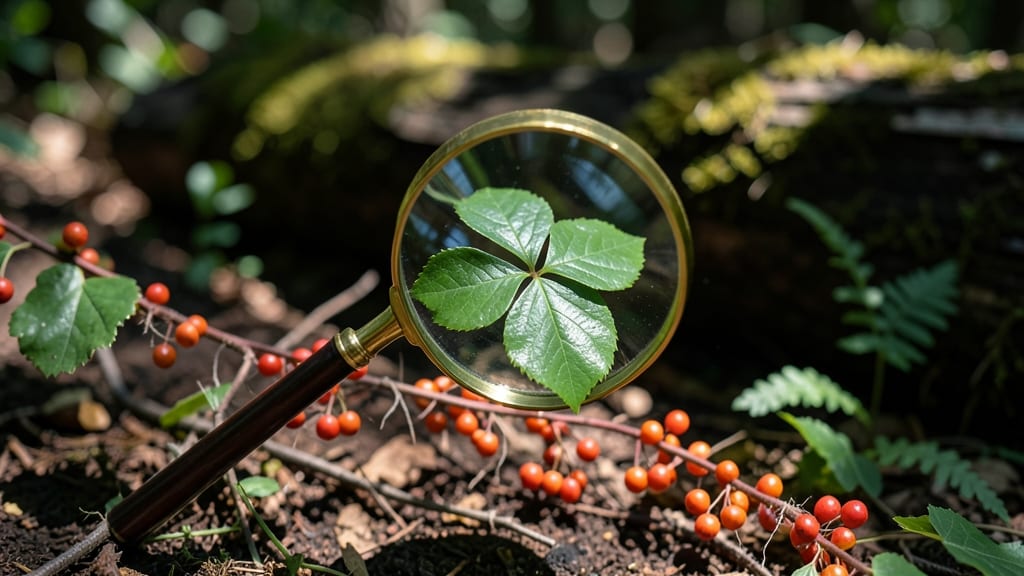
Plants causing blisters turn gardening from a joy into a painful lesson—especially when you don’t recognize them until it’s too late. 🌿 I’ve learned the hard way that some plants pack a sting worse than a sunburn, and the key to avoiding them is knowing exactly what to watch for in your yard or garden beds.
The usual suspects—poison ivy, stinging nettles, and even citrus plants—can trigger nasty reactions, but there are others flying under the radar. A quick visual check for jagged leaves, fine hairs, or that telltale "itchy" feeling after brushing past a plant can save you hours of discomfort.
Once you spot these troublemakers, removal is the only sure way to protect your skin.
If you’ve already been exposed, washing with cold water and soothing the area with calamine lotion or baking soda paste can ease the burn. Prevention is easier than treatment—wear gloves when working near unfamiliar plants, and keep kids and pets away from suspicious-looking foliage until you’re certain it’s safe.
This isn’t about fearing every leaf in your garden, but about staying sharp so you can enjoy gardening without the blisters. Let’s break down the worst offenders and how to handle them—so you can focus on the flowers, not the fire.
📚 In This Guide
- What you need
- Instructions
- Tips and common mistakes
- Wrapping up and next steps
What you need
- ● Gloves: Heavy-duty, long-sleeved gardening gloves (nitrile or leather, rated for chemical resistance—think 14-gauge or thicker). Pro tip: 💡 Double up with a pair of disposable nitrile gloves for extra protection!
- ● Safety goggles: ANSI-rated goggles to shield your eyes from sap, dust, or debris.
- ● Face mask (N95 or respirator): Especially if handling toxic plants like stinging nettle or giant hogweed—these can irritate lungs.
- ● Pruners or shears: Sharp, bypass pruners (for clean cuts) or loppers (for thicker stems). Disinfect with 70% isopropyl alcohol before/after use.
- ● Garden fork or trowel: Sturdy, rust-resistant tools (stainless steel or aluminum) for digging out roots.
- ● Trash bags: Heavy-duty contractor bags (30–50 gallon) lined with double-layered plastic to contain debris.
- ● Plastic sheeting or tarp: 6–10 mil thickness to lay down before removal (covers 4’x6’ sections for easy cleanup).
- ● Rubbing alcohol (70%+) or vinegar: For neutralizing sap on tools/skin post-removal.
- ● Disposable wipes: Baby wipes or chemical-resistant wipes for quick skin cleanup.
- ● Plant ID guidebook or app: e.g., iNaturalist or PictureThis for confirming suspicious plants.
- ● Vinegar spray (50/50 vinegar-water mix): Spray on leaves to test for blister-inducing sap (some plants react visibly).
- ● Hydrogen peroxide (3%): For disinfecting tools between uses on different plants.
- ● Earplugs: If using a string trimmer for stubborn root systems.
- ● First-aid kit: Include hydrocortisone cream, antihistamines, and calamine lotion for immediate relief.
How to identify and safely remove blister-causing plants
Here's the straightforward approach I use to spot and eliminate plants that trigger painful skin reactions.
🌿 Step 1: Recognize the Most Common Culprits
Start by learning the visual red flags of blister-inducing plants. Poison ivy, poison oak, and poison sumac all contain urushiol oil that causes itchy blisters in most people. Look for three leaflets (poison ivy/oak) or lobed leaves with red stems (poison sumac). Even dead plants can trigger reactions—never assume dried foliage is safe.
Other sneaky offenders include stinging nettle (tiny hairs inject formic acid) and giant hogweed (sap causes severe burns). I keep a reference photo on my phone to compare suspicious plants against known troublemakers. If you're unsure, assume it's dangerous until confirmed otherwise.
🧤 Step 2: Protect Yourself Before Handling
Before touching any suspicious plant, put on long sleeves, thick gloves, and safety goggles. I use heavy-duty rubber gloves that I immediately discard after contact. Cover your shoes too—urushiol can linger on footwear for weeks and spread to other plants.
Create a barrier by spraying the plant with a 10% vinegar solution (1 part white vinegar to 3 parts water) to neutralize urushiol before removal. This gives you a few minutes to work without direct skin contact. Avoid wearing jewelry that could puncture gloves.
✂️ Step 3: Remove Plants Completely
Dig out the entire root system to prevent regrowth. Use a shovel to cut roots 6 inches deep around the plant's perimeter. For stubborn patches, I apply a vinegar-salt solution (1 gallon vinegar + 1 cup salt) to the soil after removal to kill any remaining roots.
Bag all plant debris immediately and dispose of it in sealed trash bags. Never burn these plants—urushiol vapor can cause severe respiratory reactions. Double-bag anything that touches the plant, including gloves and tools, and wash them separately.
💧 Step 4: Clean and Treat the Area
Wash the removal site with hot, soapy water using a stiff brush to scrub soil and roots. I repeat this process 3 times to ensure all plant residue is gone. For stubborn urushiol, apply a rubbing alcohol wipe to tools and skin immediately after contact.
Monitor the area for 2-3 weeks for any new growth. If you notice sprouts, repeat the removal process. Keep pets and children away from treated areas until you're certain all plant material is eliminated.
🧴 Step 5: Wash and Treat Skin Exposure
If you suspect skin contact, wash immediately with cold water and soap for 10-15 minutes. Use a degreasing soap like Dawn to break down urushiol oil. Avoid hot water—it opens pores and increases absorption.
Apply a calamine lotion or hydrocortisone cream to any redness or itching. For severe reactions, I keep an antihistamine on hand. Never scratch blisters—they can become infected. If a rash spreads or you develop difficulty breathing, seek medical attention immediately.
Tips & tricks for handling blister-causing plants safely
Dealing with blister-inducing plants requires precision and caution—here's how to handle them like a pro without putting yourself at risk.
Visual Confirmation is Key: In Step 1, when identifying plants, take a close look at leaf patterns and stems. Poison ivy's "leaves of three, let it be" rule is reliable, but poison oak can have rounded leaves that mimic harmless plants. I keep a magnifying glass handy to check for tiny hair-like structures on stinging nettle leaves—those hairs are invisible to the naked eye but pack a painful punch.
Gear Up Before You Start: In Step 2, don't skimp on protection. I've learned the hard way that even a tiny tear in gloves can mean a blister-filled week. Use heavy-duty rubber gloves that extend past your wrists, and cover your shoes completely—urushiol can cling to fabric for months. Consider disposable coveralls for large removal projects.
Root Removal is Non-Negotiable: In Step 3, when digging out roots, aim for that 6-inch depth around the perimeter. I've seen regrowth happen when roots weren't fully removed. For tough patches, I've had success with a vinegar-salt solution applied directly to the soil after removal—it acts like a chemical barrier against any remaining plant matter.
Cleanup is Critical: In Step 4, that triple wash of the removal site is essential. I've found that using a stiff brush with hot, soapy water works best—it gets into crevices where plant residue might hide. For tools and equipment, I keep rubbing alcohol wipes on hand to clean immediately after use. Remember that urushiol can remain active on surfaces for years.
Pro Tips for Plants Causing Blisters
- Dealing with blister-inducing plants requires precision and caution—here's how to handle them like a pro without putting yourself at risk.
- Visual Confirmation is Key: In Step 1, when identifying plants, take a close look at leaf patterns and stems.
- Gear Up Before You Start: In Step 2, don't skimp on protection.
Frequently asked questions
Got questions about those pesky plants that leave you with blisters instead of blooms? You’re not alone! Here are some of the most common concerns—and straightforward answers—to help you navigate this prickly problem.
Which plants are most likely to cause blisters?
Plants like giant hogweed, stinging nettle, and poison ivy are notorious for triggering blisters due to their sap or thorns. Even some ornamental plants, like cactus varieties or raspberry canes, can irritate skin. Always wear gloves when handling unfamiliar foliage!
How long does it take for blisters to appear after exposure?
Blisters from plant contact usually show up within minutes to hours, depending on the plant and your skin sensitivity. Stinging nettle can cause immediate stinging, while poison ivy may take 12–48 hours to trigger a reaction. If you’re unsure, wash the area right away with soap and water.
What’s the best way to protect myself while gardening?
Long sleeves, thick gloves, and closed-toe shoes are your best defenses. For high-risk plants, consider barrier creams (like those with zinc oxide) or vinegar rinses to neutralize irritants. If you’re allergic, consult a dermatologist for antihistamines or cortisone creams.
Should I pop a blister caused by a plant?
No!
Popping can increase infection risk. Instead, clean the area gently with mild soap, apply a cool compress, and use hydrocolloid bandages or aloe vera to soothe it. If the blister is large or painful, see a doctor—especially if signs of infection (pus, redness) appear.
Are there blister-free alternatives to these plants?
Swap high-risk plants for non-irritating options like lavender (calming for skin), sunflowers (soft stems), or marigolds (repel pests naturally). For privacy screens, try bamboo or ornamental grasses—they’re tough but gentle.
Wrapping up and next steps
While encountering plants causing blisters can be alarming, staying informed is your best defense! 🌿 From stinging nettles to poison ivy, recognizing these garden troublemakers early helps you protect your skin—and your peace of mind.
Now that you’re armed with identification tips and removal strategies, take action: inspect your yard or garden and tackle any suspicious plants with gloves and caution.
For extra safety, share this guide with fellow gardeners or explore companion plants that naturally repel irritants. Happy gardening—blister-free! 🌱