
Plants
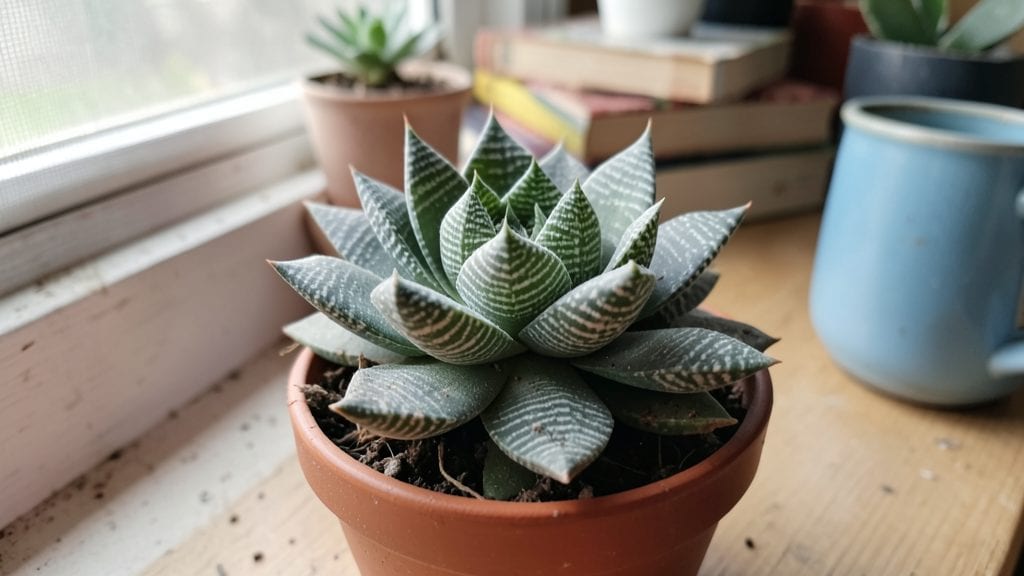
Pointy leaf plants like snake plants and agave thrive with minimal care, featuring sharp-edged foliage and drought resistance. Choose fast-growing varieties such as the Dracaena marginata or Yucca elephantipes for striking textures and low-maintenance growth.
The sharp, architectural leaves of these plants aren’t just striking—they’re nature’s pest deterrent, as their rigid edges discourage insects from settling in. 🌿 I’ve found that their drought tolerance makes them perfect for busy plant parents, as they can go weeks without water while still maintaining their bold structure.
The key to their rapid growth lies in their ability to store moisture efficiently, which means less frequent watering and more time for you to enjoy their dramatic foliage.
For those with limited space, these varieties pack a punch without requiring constant attention. The Yucca elephantipes, for example, can grow up to 10 feet tall indoors with the right light, while the Dracaena marginata adds vertical interest with its striking red-edged leaves.
Their adaptability to lower humidity levels also makes them ideal for homes with dry air or inconsistent watering habits.
💡 In This Article
- Identifying Fast-Growing Pointy Leaf Plants
- Soil and Light Tips for Sharp-Leafed Succulents
Identifying fast-growing pointy leaf plants
The sharp, geometric leaves of these plants aren't just visually striking—they're evolutionary adaptations. Plants like Haworthia attenuata develop rigid, triangular leaves with serrated edges that create a physical barrier against pests.
These edges make it difficult for insects like aphids or mealybugs to establish feeding sites, while the thick, fleshy texture stores water efficiently, allowing growth spurts even in dry conditions. 🌱 The Haworthia attenuata can grow 3-4 inches tall in just 1-2 years under optimal conditions, with its leaves forming tight rosettes that resemble miniature aloe plants.
Let's compare five fast-growing varieties by their growth characteristics. The Aloe aristata features spiny-edged leaves that grow 6-12 inches tall and spread 12-18 inches wide, with new growth emerging from the center. Its sharp teeth along the leaf margins create a natural defense system that deters herbivores.
Meanwhile, the Dracaena marginata (often called the dragon tree) grows 12-24 inches per year with its iconic arching, sword-like leaves that have a waxy finish, reducing water loss by up to 40% compared to broader-leafed plants.
The growth rates of these plants are directly tied to their light requirements. Most thrive in bright, indirect light, where they receive 4-6 hours of sunlight daily.
For example, Yucca elephantipes (elephant yucca) grows 1-2 feet annually when placed in south-facing windows, while the same plant in lower light may only grow 6-8 inches per year.
The sharp edges of these leaves also create microclimates that reduce humidity around the plant, further discouraging fungal growth and pests.
What makes these varieties particularly appealing is their adaptability to indoor environments. The Sansevieria trifasciata (snake plant) grows 6-12 inches per year and can tolerate low light conditions better than most, though its growth slows significantly.
Its sword-shaped leaves contain air channels that improve water storage capacity, allowing it to go 4-6 weeks without water while still maintaining its upright structure. The Agave americana, while slower-growing (3-6 inches per year), develops dramatic, spiky rosettes that can reach 6 feet in diameter over time.
Here's how their leaf structures differ in practical terms:
- Haworthia attenuata: Forms tight, star-shaped rosettes with 1-inch-long leaves that grow in spiral patterns
- Aloe aristata: Develops spiny, triangular leaves with white-tipped teeth along the edges
- Dracaena marginata: Produces arching, sword-shaped leaves with red margins that can grow 2 feet long
- Yucca elephantipes: Features rigid, sword-like leaves with fibrous edges that grow 3-4 feet tall
- Agave americana: Creates massive, spiky rosettes with thick, fleshy leaves that can reach 6 feet wide
The sharp edges of these leaves serve multiple purposes beyond aesthetics. The serrations create physical barriers that prevent pests from settling, while the thick cuticles reduce water loss.
This combination allows these plants to thrive in dry indoor environments where many tropical plants would struggle. 💫 For example, the Haworthia attenuata's leaves contain succulent tissue that can hold up to 80% of its weight in water, enabling rapid growth during watering cycles.