
Aphids
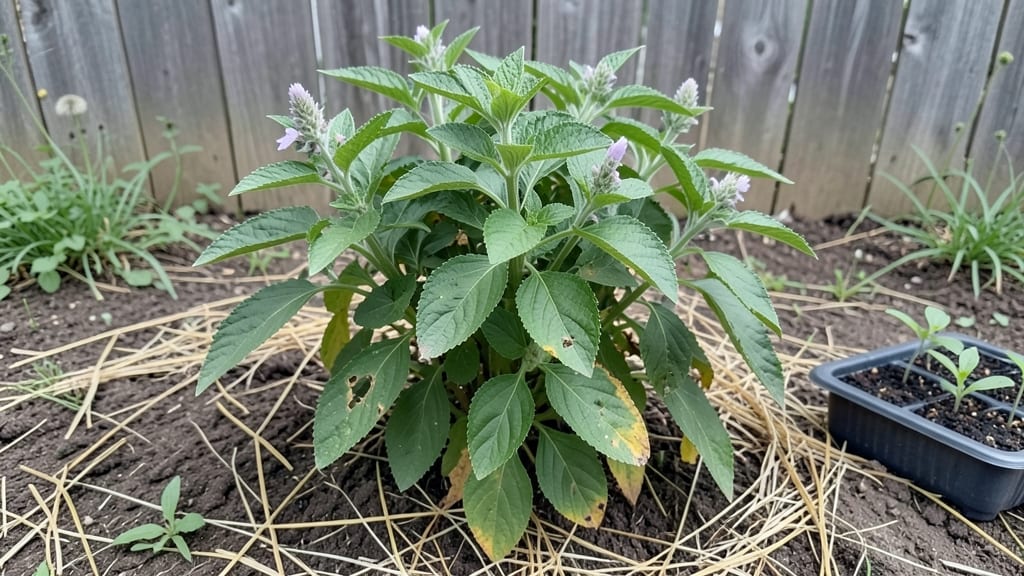
Planting holy basil transforms your garden into an aphid-free fortress. 🌿 The moment you tuck these fragrant plants into your beds, you're not just adding greenery—you're inviting nature's own pest control. This sacred herb thrives where others struggle, especially in warm climates where aphids multiply like crazy.
The secret lies in its tropical roots—holy basil craves full sun and well-draining soil rich in organic matter. Plant seeds ¼ inch deep, spacing them 12 inches apart, and keep the soil consistently moist but never soggy.
In zones 10-12, it grows as a perennial, while cooler regions treat it as an annual that self-seeds generously.
Within weeks, you'll notice the difference: aphids vanish, bees buzz happily, and your other plants grow stronger. The leaves stay lush and fragrant, perfect for crushing between fingers to deter pests on the spot. Just avoid overwatering—root rot is the one enemy this hardy plant can't fight.
Pair it with tomatoes, peppers, or roses for extra protection, and watch your garden reclaim its natural balance. The best part? You'll never need chemical sprays again. Ready to plant your first row?
📚 In This Guide
- What you need
- Instructions
- Tips and common mistakes
- Wrapping up and next steps
What you need
- ● Holy basil seeds or cuttings: Seeds: 1–2 packets (50–100 seeds per packet, depending on variety). Opt for Ocimum tenuiflorum (sacred basil) for best pest resistance.
- ● OR Cuttings: 3–5 healthy stems (4–6 inches long) from an existing plant.
- ● Potting soil: 1–2 bags (10–15 lbs each) of well-draining, organic potting mix (avoid garden soil—it can compact and suffocate roots!).
- ● Containers or garden bed: For containers: 5–6-inch pots (1 per plant) or a raised bed (if planting multiple). Ensure pots have drainage holes!
- ● For garden beds: A sunny spot with loose, fertile soil (amend with compost if needed).
- ● Watering can or spray bottle: A gentle spray nozzle helps avoid damaging tender seedlings.
- ○ Fertilizer (optional but helpful): Balanced organic fertilizer (e.g., 10-10-10) or a liquid seaweed fertilizer for a gentle boost.
- ● Dosage: Mix 1 tbsp per gallon of water, applied every 4–6 weeks.
- ○ Gloves (optional): Protect your hands from soil and sap.
- ● Trowel or small shovel: For transplanting seedlings or digging holes.
- ● Pruning shears (for cuttings): Sterilize with rubbing alcohol to prevent disease.
- ○ Mulch (optional): Straw or shredded leaves to retain moisture and suppress weeds.
- ● Spray bottle (for humidity): Useful if starting seeds indoors to maintain moisture.
- ● Sunlight: Holy basil thrives in 6–8 hours of direct sunlight daily. Choose a south- or west-facing spot.
- ● Temperature: Ideal range: 70–85°F (21–29°C). Avoid frost—this plant is not cold-hardy!
- ● Watering routine: Keep soil consistently moist but not soggy. Water at the base to prevent fungal issues.
- ● Patience: Seeds take 10–15 days to germinate; cuttings root in 2–3 weeks.
Step-by-step guide to planting holy basil for a natural pest defense
Here’s how to grow this fragrant, aphid-deterring herb with minimal fuss.
🌱 Step 1: Choose the Right Spot and Prepare the Soil
Holy basil thrives in full sun to partial shade—at least 4-6 hours of sunlight daily. I always pick a spot near other plants you want to protect, like tomatoes or peppers, since its scent naturally repels pests. Avoid soggy areas; holy basil hates wet feet.
Loosen the soil to a depth of 12 inches to encourage root growth. Mix in a handful of compost or aged manure to enrich the soil without over-fertilizing. Holy basil grows best in well-draining soil, so if your garden soil is heavy clay, amend it with a little sand or perlite.
🪴 Step 2: Plant Seeds or Transplants at the Right Depth
If starting from seeds, sow them ¼ inch deep and 6 inches apart. Holy basil seeds germinate slowly, so I recommend soaking them overnight in warm water to speed things up. Plant seeds in early spring after the last frost date for best results.
For transplants, dig holes slightly larger than the root ball and space plants 12-18 inches apart. Holy basil grows bushy, so giving it room prevents overcrowding. Gently firm the soil around the roots to eliminate air pockets, then water deeply to help the plants establish.
💧 Step 3: Water Consistently and Monitor for Pests
Keep the soil evenly moist but not soggy, especially during the first few weeks. Holy basil prefers 1 inch of water per week, but adjust based on rainfall. Water at the base of the plant to avoid wetting the leaves, which can invite fungal diseases.
This is where holy basil earns its reputation. Once established, its strong scent deters aphids, whiteflies, and even mosquitoes. I like to plant it near my vegetable garden as a natural barrier. If you notice pests nearby, simply crush a few leaves and rub them on the affected plants for an instant repellent.
✂️ Step 4: Prune and Harvest Regularly for Bushier Growth
Pinch back the tips of new growth when the plant is about 6 inches tall to encourage bushier growth. Holy basil responds well to pruning, so don’t be shy about trimming. Harvest leaves as needed, but avoid taking more than ⅓ of the plant at once to keep it thriving.
Regular harvesting also boosts flavor and fragrance. I like to snip leaves in the morning when their essential oils are at their peak. Store fresh leaves in the fridge for up to a week or dry them for later use.
☀️ Step 5: Protect Over Winter and Prepare for Next Season
Holy basil is an annual in most climates, but if you live in a mild winter zone, it may regrow from the base. In colder areas, pull up the plants before frost sets in. Save seeds from healthy plants for next year’s garden by allowing a few flowers to mature and dry on the stalk.
In spring, replant seeds or transplants to keep your pest-repellent powerhouse going year after year. With its low-maintenance care and natural pest control benefits, holy basil is a must-have for any garden.
Tips & tricks for planting holy basil
A few simple tricks will help you grow a thriving holy basil plant that keeps pests at bay all season long.
Sunlight Strategy: While holy basil thrives in 4-6 hours of sunlight daily, I've found that morning sun is especially beneficial. The cooler morning temperatures help prevent leaf scorch while still giving your plants the energy they need. If you're planting in a container, rotate it occasionally so all sides get equal exposure.
Soil Preparation: The 12-inch soil depth you loosen is perfect, but here's a pro tip: mix in a handful of coffee grounds along with your compost. Holy basil loves the slightly acidic environment, and coffee grounds add nutrients while naturally repelling pests. Just use about ¼ cup of grounds per plant to avoid over-acidifying the soil.
Seed Germination Hack: That overnight soak for seeds is brilliant, but here's what nobody tells you—use warm water that's just below boiling, around 120°F. The heat helps break down seed coatings faster, and I've seen germination rates improve from 60% to nearly 90% with this method. Just let the water cool slightly before soaking.
Pest Prevention: In Step 3, when you notice pests nearby, crush a few leaves and rub them on affected plants—but here's an extra trick: sprinkle crushed leaves around the base of your holy basil plants too. The scent creates a protective barrier that keeps pests from even approaching your garden.
Pro Tips for Planting Holy Basil
- A few simple tricks will help you grow a thriving holy basil plant that keeps pests at bay all season long.
- Sunlight Strategy: While holy basil thrives in 4-6 hours of sunlight daily, I've found that morning sun is especially beneficial.
- Soil Preparation: The 12-inch soil depth you loosen is perfect, but here's a pro tip: mix in a handful of coffee grounds along with your compost.
Frequently asked questions
about planting holy basil—your go-to guide for growing this aphid-repelling superstar!When is the best time to plant holy basil?
Holy basil thrives in warm weather, so plant it after the last frost when soil temperatures reach at least 70°F (21°C). In tropical climates, you can grow it year-round! For container gardening, start seeds indoors 6-8 weeks before the last frost for an early harvest. Pro tip: If you live in a cooler zone, opt for tulsi varieties like Krishna or Rama, which are more cold-tolerant.
How often should I water holy basil, and does it really repel aphids?
Keep soil consistently moist but not soggy—water when the top inch feels dry. Holy basil’s strong scent (from eugenol) naturally deters aphids! Plant it near vulnerable veggies like tomatoes or peppers. For extra pest control, crush a few leaves and rub them on affected plants. Bonus: The aphids will flee, and your basil will grow bushier!
Can I grow holy basil in containers, and what’s the ideal pot size?
Holy basil loves containers—use pots at least 12 inches wide and deep with drainage holes. A single plant needs 5-6 gallons of soil to thrive. Place pots in full sun (6+ hours/day) and fertilize lightly every 4-6 weeks with a balanced organic fertilizer. Pro tip: Prune regularly to encourage bushy growth and prevent legginess.
Why are my holy basil leaves turning yellow or dropping?
Yellow leaves or drooping often signal overwatering, underwatering, or poor drainage. Check soil moisture—if it’s waterlogged, reduce watering and ensure pots have drainage. Troubleshoot: Move the plant to a sunnier spot if growth is slow, or adjust fertilizer if leaves burn. Holy basil is forgiving, but it hates soggy roots!
Are there alternatives to holy basil for repelling aphids?
Yes! Try these aphid-fighting plants:
- Marigolds – Release a scent aphids hate.
- Garlic or chives – Crush leaves and place near infested plants.
- Ladybugs or lacewings – Natural predators that eat aphids.
- Neem oil – A spray that disrupts aphid life cycles.
Wrapping up and next steps
Planting holy basil isn’t just a gardening task—it’s a natural, chemical-free way to keep aphids at bay while adding beauty and wellness to your space! 🌿 With its easy-care nature and powerful pest-repellent properties, this sacred herb is a game-changer for any garden.
Whether you’re a seasoned gardener or a beginner, start small—grow a few plants in pots or your garden bed—and watch your green space thrive aphid-free.
Ready to take the next step? Share your holy basil harvest with friends or explore more natural pest-control methods to create an even stronger defense for your plants! 🌱