Container Gardens
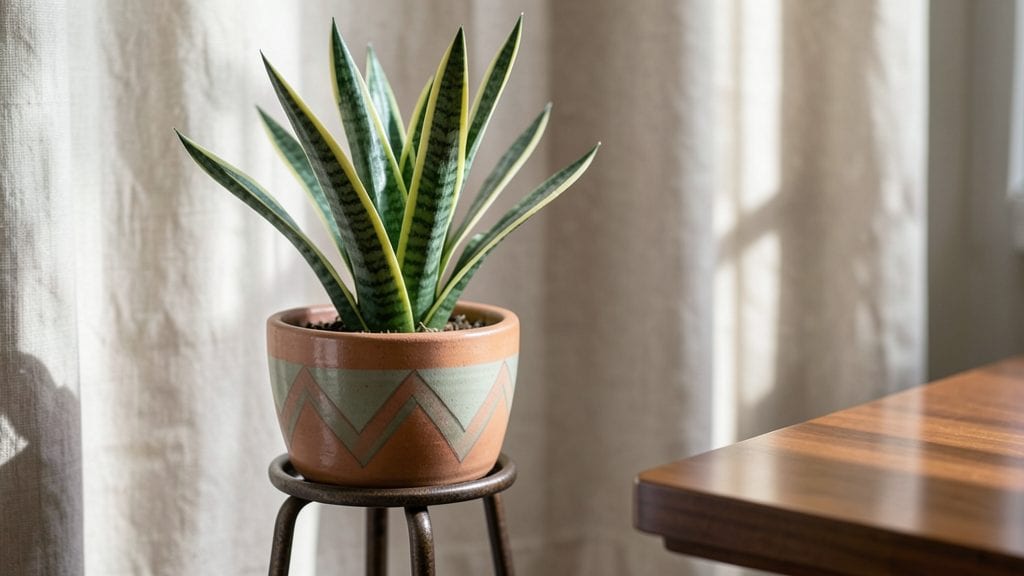
Self-watering containers for houseplants changed how I keep my indoor jungle alive—no more wilted leaves or forgotten watering days. 💚 The right setup keeps roots happy without drowning them, and the design options turn plant care into decor.
My snake plant thrives in a sleek ceramic pot with a hidden reservoir, while my ferns love the airy fabric grow bags that mimic their tropical homes.
Material matters more than most beginners realize. Terracotta breathes but dries roots too fast, plastic traps moisture and can bake in sun, while fabric wicks water perfectly but needs frequent cleaning.
Size is just as critical—too small and roots circle like a traffic jam, too big and soil stays soggy for years. I learned the hard way that most houseplants do fine in containers just 1-2 inches wider than their root ball.
You’ll end up with plants that look lush and green year-round, not just after you remember to water them. The self-watering feature means I travel for weeks without guilt, and the drainage holes I add during repotting cut root rot risk by half.
Even my black thumb can’t kill these setups—once you match the container to the plant’s needs, maintenance becomes almost effortless.
From hanging macramé pots to stacked terracotta planters, the styling options make this practical and pretty. The key is balancing function with your space’s vibe—whether that’s modern minimalism or boho eclectic. Let’s pick the perfect container for your plant collection and keep those leaves perky all season.
Why it happens
Even the most stylish house plant containers can become battlegrounds for struggling greenery—if you don’t understand the root causes. Poor drainage, overwatering, or nutrient starvation aren’t just random mishaps; they’re often tied to how your container functions (or fails to function).
Let’s break down the science behind why your plants might be fighting for survival, even in the fanciest pots.
🌊 Inadequate Drainage Systems
Containers without proper drainage act like a death trap for roots. When water pools at the bottom, it starves roots of oxygen—a process called anoxia. Without oxygen, roots suffocate, leading to root rot (a fungal infection that turns healthy roots into mushy, brown slime).
Why it happens:
- No drainage holes: Many decorative containers (like ceramic or glazed pots) lack holes, trapping excess water. Even "self-watering" designs can fail if the reservoir isn’t properly vented.
- Compacted soil: Dense soils (like clay-heavy mixes) repel water, creating waterlogged pockets. Additives like perlite or orchid bark improve aeration but are often omitted in pre-mixed potting soils.
- Overzealous watering: If your container lacks wicking material (like coconut coir or a wicking fabric), water stays stagnant instead of circulating to roots.
Pro tip: 💡 Test your container’s drainage by filling it with water—if it doesn’t drain within 10 minutes, your plant is at risk. Upgrade to pots with self-watering inserts or add a layer of hydroponic clay pebbles at the bottom.
🌡️ Temperature And Material Mismatches
Not all containers regulate temperature equally. Terracotta, for example, breathes—it wicks moisture from the soil when dry and releases it when humid. But plastic or sealed ceramic pots trap heat, creating a microclimate that can bake roots or freeze them overnight.
Why it happens:
- Thermal shock: Dark-colored containers (like black plastic) absorb heat, raising soil temps to 100°F+ in direct sunlight. This can cook delicate roots, especially in tropical plants like ferns or calatheas.
- Poor insulation: Thin-walled containers (like glass terrariums) fail to buffer temperature swings. A chilly windowsill can drop soil temps to 50°F, slowing metabolism and inviting pests.
- Material memory: Some fabrics (like burlap or jute) degrade when wet, releasing toxins that inhibit root growth over time.
Pro tip: 🌡️ Place terracotta pots in indirect light and avoid plastic containers near heaters or AC vents. For extreme climates, use insulated grow bags or wrap containers in thermal liners.
🍽️ Nutrient Lockout And Soil Depletion
Containers have a finite supply of nutrients—unlike garden beds, which replenish naturally. Over time, plants exhaust nitrogen, phosphorus, and potassium, leading to deficiency symptoms like yellowing leaves (chlorosis) or stunted growth.
Why it happens:
| Nutrient | Deficiency Signs | Container Cause |
|---|---|---|
| Nitrogen (N) | Pale green/yellow leaves, slow growth | Leaching from frequent watering in sandy or peat-free soils. |
| Phosphorus (P) | Purple stems, weak roots | Bound to container minerals (like calcium in terracotta), making it unavailable. |
| Potassium (K) | Brown leaf edges, wilting | Washed out by soft water (low mineral content) in self-watering systems. |
Pro tip: ✨ Use slow-release fertilizers (like osmocote pellets) or liquid hydroponic nutrients for containers. Top-dress with worm castings every 3 months to boost microbial activity.
🐛 Pests And Pathogens Love Stagnant Spaces
Containers create the perfect Petri dish for pests and diseases—high humidity, stagnant water, and crowded roots invite fungi, bacteria, and insects. Fungal gnats, for example, thrive in soggy soil, while powdery mildew flourishes in enclosed, humid environments.
Why it happens:
- Moisture traps: Self-watering containers with poor airflow (like sealed glass globes) create condensation, which encourages Botrytis (gray mold) and Phytophthora (root rot).
- Organic buildup: Old potting mix breaks down into anaerobic (oxygen-free) zones, attracting nematodes and slime molds.
- Root-bound stress: Plants left too long in the same container develop circular root systems, which are more susceptible to Verticillium wilt.
Pro tip: 🔥 Refresh soil every 12–18 months and use sterilized potting mixes. Add a mosquito bit tray to self-watering reservoirs to break the gnat life cycle.
Fixing Common Container Plant Woes
From root rot to stagnant soil, container gardening comes with its own set of challenges—but don’t let them wilt your enthusiasm! 🌱 With the right fixes and a little prevention, your house plants will thrive in their stylish pots.
Below, we’ve mapped out practical solutions for the most common issues, so you can keep your green babies happy and healthy.
Cause: Overwatering or poor drainage traps moisture, suffocating roots. Fix:
- Repot immediately 🌱—Remove the plant gently, trim any mushy, black roots with sterilized scissors, and rinse the remaining roots with water.
- Upgrade your pot ➡️ Choose containers with drainage holes or add a layer of pebbles at the bottom for better airflow.
- Adjust watering habits—Let the top 1–2 inches of soil dry out before watering again.
Prevention Tips: ✅ Use well-draining soil mixes (like cactus or succulent blends for drought-tolerant plants). ✅ Monitor humidity—Misting helps, but avoid waterlogged soil. ✅ Self-watering pots 💧 can regulate moisture automatically, reducing overwatering risks.
Cause: Soil loses structure over time, blocking water and nutrients. Fix:
- Fluff it up 🧹—Gently loosen the top 2 inches of soil with a fork or your fingers to improve aeration.
- Refresh the mix 🌿—Top-dress with 1–2 inches of fresh potting soil or compost to replenish nutrients.
- Add organic matter—Worm castings or coconut coir boost drainage and fertility.
Prevention Tips: ✅ Repot every 1–2 years to renew soil and root space. ✅ Use slow-release fertilizers 💪 for steady nutrition. ✅ Rotate pots occasionally to ensure even light exposure (which affects soil health).
Cause: Spider mites, fungus gnats, or aphids thrive in damp, crowded containers. Fix:
- Isolate the plant 🛑—Move it away from others to prevent spreading.
- Blast pests off 💦—Spray with a strong stream of water or wipe leaves with neem oil (mix 1 tsp neem oil + 1 tsp mild soap in 1 quart water).
- Trap gnats 🪰—Place a small dish of apple cider vinegar + water near the pot to lure and drown them.
Prevention Tips: ✅ Inspect new plants before bringing them home (quarantine for a week if possible). ✅ Reduce overhead watering—Water at the base to keep foliage dry. ✅ Encourage beneficial insects 🐞 like ladybugs to snack on pests naturally.
Cause: Roots outgrow containers, or plants aren’t getting enough sunlight. Fix:
- Upgrade the pot size 📏—Choose a container 2–3 inches larger in diameter for root expansion.
- Boost light exposure ☀️—Rotate pots weekly or move them closer to a sunny window (or use grow lights for low-light plants).
- Fertilize lightly 🌱—Use a balanced liquid fertilizer (like 10-10-10) every 4–6 weeks during growing season.
Prevention Tips: ✅ Pick the right pot size from the start—too big = wasted space; too small = stunted growth. ✅ Match plants to light—Snake plants and pothos tolerate low light; ferns and calatheas crave bright, indirect light. ✅ Prune regularly ✂️ to encourage bushier growth and prevent overcrowding.
Cause: Stretching toward light or inconsistent watering weakens stems. Fix:
- Adjust light sources 🔦—Move plants to a brighter spot (but avoid direct sunburn for tropical varieties).
- Water consistently 💧—Check soil moisture daily in hot weather; use a moisture meter for accuracy.
- Prop up weak stems 🌿—Stake leggy plants with bamboo stakes or plant ties for support.
Prevention Tips: ✅ Group plants by light needs—Cluster high-light lovers together and low-light plants separately. ✅ Use self-watering pots 🌧️ for steady moisture, especially when you’re away. ✅ Rotate pots to ensure even growth (prevents lopsided plants).
Pro Tip: 💡 When in doubt, observe! Yellow leaves? Overwatering. Brown tips? Dry air. Adjust one thing at a time to diagnose the issue—your plants will thank you with lush, vibrant growth!*
Frequently asked questions about house plant containers
What's the best material for house plant containers?
It depends on your plant's needs! Terracotta breathes well but dries out faster—ideal for succulents. Plastic retains moisture longer (great for tropical plants like ferns) but can trap heat. Fabric grow bags wick water perfectly and mimic natural conditions. For self-watering elegance, look for containers with built-in reservoirs—just ensure proper ventilation to prevent root rot.
How do I know if my container has good drainage?
Fill the empty container with water and observe: if it drains completely within 10 minutes, you're good! If water pools at the bottom, add drainage holes or place a layer of hydroponic pebbles at the bottom. For decorative pots without holes, use a cache pot (inner pot with drainage) or elevate the container on a saucer with pebbles.
Can I reuse containers from grocery stores or takeout?
Yes, but with caution! Clean thoroughly with soap and water, then disinfect with a 1:10 bleach-water solution. Rinse well to remove residue. Avoid containers that held acidic foods (like tomatoes) or chemicals—these can harm plant roots. For long-term use, add drainage holes or use them as cache pots inside decorative containers.
How often should I repot my house plants?
Most houseplants need repotting every 1-2 years, or when roots circle the pot or poke through drainage holes. Spring is the best time! Choose a container just 1-2 inches wider than the current one—too big causes soil to stay soggy. Refresh the potting mix completely to replenish nutrients.
What's the best way to style containers for small spaces?
Opt for vertical solutions like wall-mounted planters or hanging macramé pots to save floor space. Use stackable containers in varying heights for visual interest, and choose light-colored pots to reflect sunlight in tight areas. For windowsills, use shallow containers to maximize light exposure. Group plants by size and light needs for a cohesive look.