
Flowers
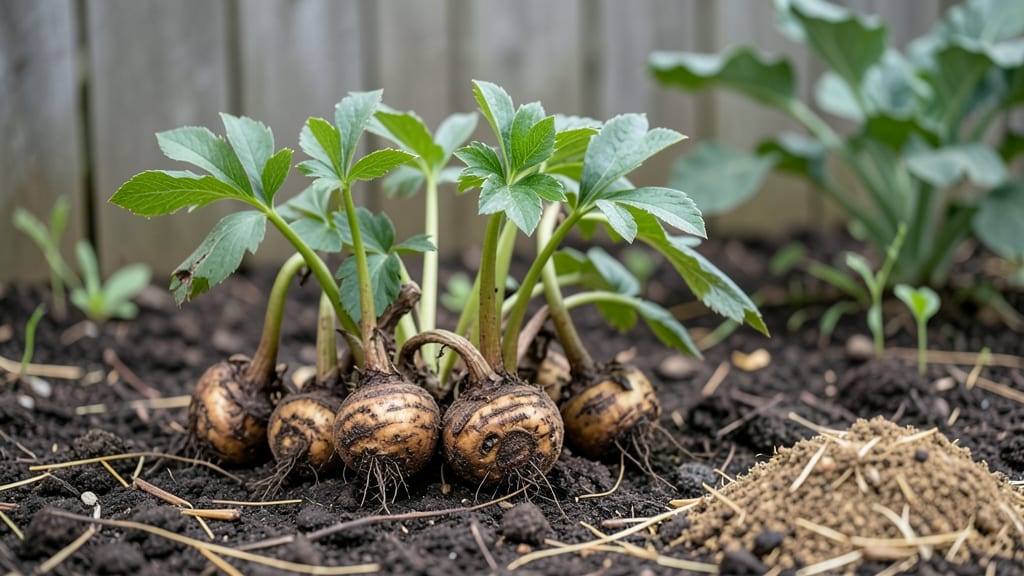
Planting dahlia corms transforms your garden into a summer-long explosion of color—if you time it right. ✨ I’ve learned the hard way that these dramatic blooms demand patience, but the payoff is worth every week of waiting.
The secret isn’t just sticking corms in the ground; it’s matching them to your climate and giving them the perfect start.
Start with well-draining soil mixed with compost, and plant corms 6 inches deep in spring after the last frost—or 4-6 weeks before your first fall frost for a head start.
Spacing matters too: give each corm 12-18 inches of room to avoid crowding, which leads to floppy stems and fewer blooms. A sunny spot with at least 6 hours of direct light is non-negotiable for those iconic dinner-plate flowers.
After planting, keep soil consistently moist but not soggy—think of it like a well-watered sponge. Mulch with 2-3 inches of straw or shredded leaves to lock in moisture and protect corms from temperature swings.
By mid-summer, you’ll see sturdy stems shooting up, and within 8-10 weeks, those velvety blooms will make your neighbors do a double-take.
Here’s the kicker: with proper care, dahlias reward you with months of blooms, not just a fleeting summer show. The key is consistency—water, mulch, and a little pruning to encourage bushier growth. Once you master the timing, these plants become the star of your garden, year after year.
📚 In This Guide
- What you need
- Instructions
- Tips and common mistakes
- Wrapping up and next steps
What you need
- ● Dahlia corms: 3–10 per plant (depending on desired size; larger corms yield bigger blooms). Choose certified disease-free corms for best results.
- ● Well-draining potting mix or garden soil: 5–10 gallons (or enough to fill your planting container). Amend garden soil with compost (1 part compost to 3 parts soil) for nutrient-rich growth.
- ● Organic fertilizer: A balanced 10-10-10 or 5-10-10 formula (1–2 tbsp per plant) to kickstart growth. Slow-release options work great!
- ● Mulch: 2–3 inches of straw, wood chips, or shredded leaves to retain moisture and regulate soil temperature.
- ● Garden trowel or hand shovel: For digging holes (6" deep and 12" apart for spacing).
- ● Gloves: A pair of gardening gloves to protect your hands from thorns and dirt.
- ● Watering can or hose with a gentle spray nozzle: Dahlias love moisture but hate soggy roots—aim for 1–1.5 inches of water per week.
- ○ Plant markers (optional): Label corms with their variety names if you’re growing multiple types.
- ● Sunlight: 6–8 hours of full sun daily. Dahlias are sun-worshippers!
- ● Climate check: Cold climates (Zones 3–6): Wait until after the last frost (soil temp ≥ 55°F)
- ● Warm climates (Zones 7–11): Plant in early spring (Feb–March) to avoid summer heat stress.
- ● Soil temperature: Ideal planting temp is 60–70°F. Use a soil thermometer if unsure!
Step-by-step instructions for planting dahlia corms
Here's the method I use to guarantee bold, long-lasting blooms every season.
🌱 Step 1: Choose the Right Location and Prepare the Soil
Dahlias thrive in full sun—at least 6-8 hours daily—so pick a spot that gets morning light and afternoon warmth. I always test the soil first because dahlias demand rich, well-draining loam with a pH between 6.5 and 7.0. Amend heavy clay with 2-3 inches of compost and mix in 1 cup of bone meal per planting hole to boost phosphorus for strong roots.
Dig holes 4-6 inches deep (twice the corm’s height) and space them 12-18 inches apart for medium-sized varieties. If your soil drains poorly, raise beds or add a 2-inch sand layer at the bottom—waterlogged corms rot before they sprout. I mark each hole with a stake to avoid planting too deep later.
⏰ Step 2: Time Planting for Your Climate
Dahlias are frost-sensitive, so wait until after the last frost date when soil warms to 60°F. In warm climates, plant in early spring; in cooler zones, start corms indoors 6-8 weeks before the last frost in 6-inch pots with sterile potting mix. You’ll see green shoots in 2-3 weeks—that’s your cue to harden them off before transplanting.
If you’re planting outdoors directly, soak corms in lukewarm water for 1 hour before placing them eyes-up (the pointed end) in the hole. Cover with 2 inches of soil—this keeps them warm while roots establish. Mulch with 2-3 inches of straw to retain moisture and prevent temperature swings.
💧 Step 3: Water and Fertilize for Strong Growth
After planting, water deeply but gently—aim for 1 inch of moisture per week, adjusting for rain. Dahlias hate soggy roots but need consistent hydration. I use a soaker hose to avoid disturbing the soil surface, which can dislodge newly forming tubers. Once shoots reach 6 inches tall, side-dress with 5-10-10 fertilizer (follow package rates) to encourage lush foliage.
Here’s the thing—don’t over-fertilize nitrogen early. Too much greenery weakens blooms. Instead, switch to a low-nitrogen, high-phosphorus feed (like 10-20-20) when buds form. You’ll know it’s working when stems thicken and leaves develop a deep, waxy sheen—a sign of robust health.
☀️ Step 4: Stake and Support for Tall Varieties
Most dahlias need staking by mid-summer—wait until stems reach 12-18 inches before inserting 6-foot bamboo stakes or a cage system. Tie stems loosely with soft garden twine (not wire) to avoid damaging the bark. I always use two stakes per plant for heavy blooms and tie at multiple points to prevent snapping in wind.
Pinch back the central stem when it hits 12 inches to encourage bushier growth. You’ll see secondary stems (called "pups") emerge from the base—these are your future blooms. Remove any weak or leggy stems to redirect energy to stronger growth. By late summer, a well-supported dahlia should have 3-5 sturdy stems with dozens of buds.
✂️ Step 5: Deadhead and Overwinter for Next Year
Deadhead spent blooms daily by cutting stems 2 inches above the next set of leaves. This redirects energy to new flowers and prevents seed formation, which drains the plant. I always sterilize pruners with rubbing alcohol between cuts to avoid spreading disease. By late fall, when foliage yellows, cut stems back to 2 inches above the ground.
Dig up corms after the first hard frost when soil is workable. Shake off excess dirt and cure in a dry, dark place for 2 weeks. Store in pearlite or dry sand in a cool (40-50°F), dark box until spring. Label varieties—next year’s blooms will thank you for the care you put in now.
Tips & tricks for planting dahlia corms
These battle-tested strategies will help you avoid common pitfalls and transform your garden into a dahlia paradise.
Soil Preparation Secret: The 6-8 hours of full sun requirement is non-negotiable, but soil quality makes all the difference. I've learned the hard way that dahlias won't thrive in compacted soil—amend with 2-3 inches of compost and that 1 cup of bone meal per hole isn't optional. For clay-heavy soils, mix in 2 inches of coarse sand at the bottom of each planting hole to create proper drainage. The roots need oxygen as much as water.
Timing is Everything: That 60°F soil temperature threshold is critical—planting too early when soil is still cool can stunt root development. In cooler zones, starting corms indoors 6-8 weeks before last frost gives you that 2-3 week head start for strong shoots. Pro tip: Use a soil thermometer to verify temperature rather than guessing. I've seen corms rot when planted in soil that felt warm to the touch but was actually only 55°F.
Watering Wisdom: The 1 inch of moisture per week guideline is perfect, but timing matters more than quantity. Water in the morning so foliage has all day to dry—dahlias are prone to fungal diseases like powdery mildew in damp conditions. When you see those 6-inch shoots emerge, switch to a soaker hose to avoid disturbing the soil surface, which can dislodge delicate new tubers forming below ground.
Support System Strategy: Don't wait until stems are already leaning to stake your dahlias. By the time they reach 12-18 inches, they've already developed weak growth patterns. Install those 6-foot bamboo stakes or cages as soon as you see the first signs of vertical growth—around 8-10 inches tall. Use two stakes per plant for heavy bloomers like 'Karma Choc' or 'Bishop' varieties, and tie with soft garden twine (not wire) to prevent stem damage. The key is gentle support that encourages natural growth patterns.
Pro Tips for Planting Dahlia Corms
- These battle-tested strategies will help you avoid common pitfalls and transform your garden into a dahlia paradise.
- Soil Preparation Secret: The 6-8 hours of full sun requirement is non-negotiable, but soil quality makes all the difference.
- Timing is Everything: That 60°F soil temperature threshold is critical—planting too early when soil is still cool can stunt root development.
Frequently asked questions
Got questions about planting dahlia corms? You’re not alone! Here are answers to the most common concerns—from timing to troubleshooting—so you can grow stunning blooms with confidence.
When is the best time to plant dahlia corms?
The ideal window is 2-4 weeks after your last frost date when soil reaches 60°F (15°C). In warmer climates, plant in early spring (March–April). If you’re in a short season, start corms indoors 6-8 weeks before transplanting for a head start!
Can I plant dahlia corms in fall or winter?
Yes, but timing matters! In USDA Zones 7-10, plant in late fall (October–November) to let roots establish before winter. In colder zones, dig up corms after frost and store them in a cool, dry place (like a paper bag in the fridge). Replant in spring.
What if my dahlia corms rot after planting?
Rotting usually means too much moisture or poor drainage. Plant corms in well-draining soil (mix in perlite or sand if needed) and avoid waterlogging. Space them 4-6 inches apart for airflow. If rot occurs, remove affected corms and replant healthier ones in a sunnier spot.
How deep and how far apart should I plant dahlia corms?
Dig a hole 4-6 inches deep (with the "eyes" facing up) and space corms 12-18 inches apart for dwarf varieties or 24+ inches for giant dahlias. Mulch lightly after planting to retain moisture—just don’t smother the crown!
Can I grow dahlias from store-bought flowers?
Not reliably! Store-bought dahlias are often hybrids bred for cut flowers, not reproduction. If you want to propagate, buy certified disease-free corms from nurseries or online sellers. For fun, try saving seeds from heirloom varieties—but expect different (and possibly less showy) blooms!
Wrapping up and next steps
Planting dahlia corms is your golden ticket to stunning, long-lasting blooms—and with the right timing and care, you’ll enjoy vibrant gardens from summer through fall! 🌸 Whether you’re a seasoned gardener or a beginner, these steps make it simple to nurture healthy roots and breathtaking flowers.
Now that you’re armed with foolproof timing and expert tips, it’s time to roll up your sleeves and get planting!
Your next step? Mark your calendar for next year’s planting season and join gardening communities to share your progress. Happy digging—your garden’s masterpiece is just a few inches underground! 🌱