
Landscaping
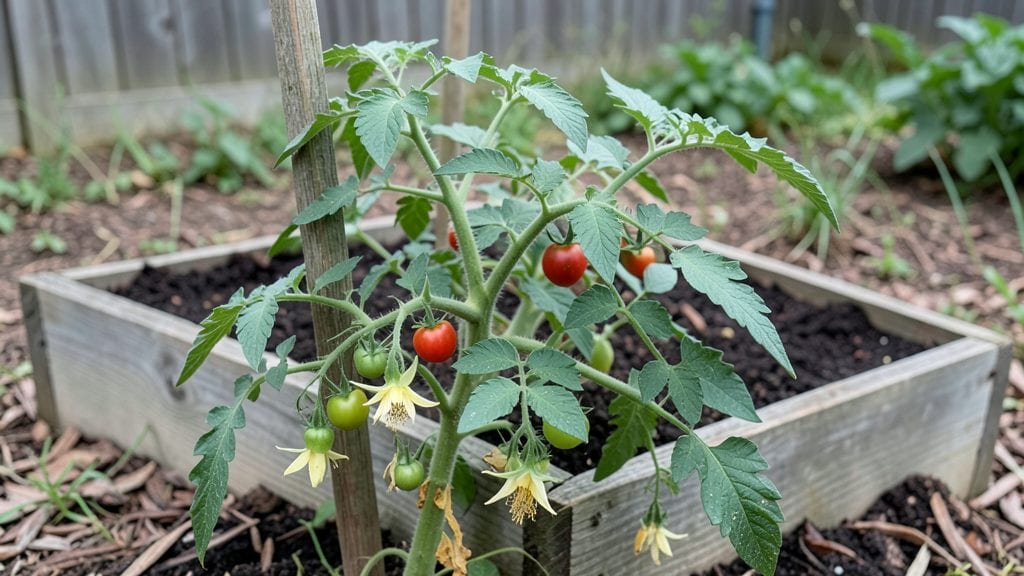
Growing tomato plants in planter boxes transformed my balcony into a summer harvest hub—now I’m sharing the exact setup that produces 90-day tomatoes even in small spaces.
The key isn’t just the container, but matching it to the plant’s needs: deep roots, steady water, and enough sunlight to turn green leaves into juicy red fruit.
My first attempt failed when I underestimated the pot size, but once I nailed the dimensions and soil mix, the difference was night and day.
You’ll need a container at least 2 feet deep and 12 inches wide per plant, with drainage holes to prevent soggy roots that invite disease. I use lightweight fabric grow bags for easy movement, but plastic or wood works too—just avoid metal, which heats up.
The soil should be a mix of compost, perlite, and a slow-release fertilizer to keep those vines fed without drowning them. Most beginners overwater, so I’ll show you how to check soil moisture with just your finger.
With the right setup, you’ll watch those first green tomatoes form in just 60 days after planting, and the harvest will keep coming until frost. The vines will climb your support system like they own the place, and you’ll be snipping ripe fruit straight from the box.
The best part? No weeding, no soil compaction, and no pests that love ground-level gardens. Let’s get those seeds in the ground—or rather, the planter.
This works for determinate (bush) or indeterminate (vining) varieties, though tall types need sturdy cages or trellises. Whether you’re on a patio, balcony, or rooftop, the same principles apply—just adjust the container size. Here’s how to avoid the rookie mistakes that kill more tomato plants than anything else.
📚 In This Guide
- What you need
- Instructions
- Tips and common mistakes
- Wrapping up and next steps
What you need
- ● Tomato plants: 2–4 healthy seedlings (choose disease-resistant varieties like Cherry Roma or Early Girl for planter boxes).
- ● Planters box: 1 large container (minimum 12" deep × 18" wide × 24" long) with drainage holes. Wood, plastic, or fabric grow bags work!
- ● Potting mix: 1–2 bags of high-quality, well-draining mix (avoid garden soil—it compacts!). Look for labels like "tomato mix" or "vegetable blend."
- ● Fertilizer: 1 bag of balanced, slow-release fertilizer (e.g., 10-10-10 or 5-5-5).
- ● OR 1–2 cups of compost or worm castings for organic nutrition.
- ● Tomato cages or stakes: 2–4 sturdy 6–8 ft tall cages/stakes to support vines.
- ● Drip irrigation or watering can: 1 with a gentle spray nozzle to avoid disturbing soil.
- ● Mulch: 1–2 bags of straw or shredded leaves (3–4 inches thick) to retain moisture.
- ● Soil moisture meter – to check moisture levels before watering.
- ● Pruning shears – for trimming suckers or dead leaves.
- ● Time-release fertilizer spikes – for hassle-free feeding.
- ● Reflective mulch (e.g., silver plastic) – to deter pests.
- ● Garden gloves – to protect your hands from thorns and dirt.
- ● ☀️ Sunlight: A spot with 6–8+ hours of direct sun daily (tomatoes are sun-worshippers!).
- ● 🌡️ Warmth: Wait until after the last frost (soil temp should be at least 60°F).
- ● 🚰 Drainage: Ensure your planter box sits on feet or a tray to catch excess water.
Instructions for growing tomato plants in planter boxes
Here's how to transform your planter box into a productive tomato haven.
Prepare the Planter Box for Planting
Start by lining the bottom of your planter box with a 2-inch layer of coarse gravel to improve drainage. This prevents water from pooling at the roots, which can lead to rot. Next, add 6 inches of high-quality potting mix—this gives tomato roots plenty of room to spread without becoming root-bound. I like to mix in a handful of compost to boost nutrients right from the start.
Moisten the potting mix thoroughly before planting. The soil should feel damp like a wrung-out sponge—not soggy, but not dry either. Press it down gently so the surface is firm. This helps the roots establish contact with the soil immediately. If you're planting multiple tomatoes, space the holes 18 inches apart to give each plant room to grow.
Plant Tomato Seedlings at the Right Depth
Carefully remove your tomato seedlings from their nursery pots, gently loosening the roots if they’re tightly bound. Place each seedling into its prepared hole, ensuring the top of the root ball sits just below the soil surface. Press the soil around the roots firmly to eliminate air pockets, but don’t pack it down too hard—roots need room to breathe.
After planting, water deeply to settle the soil and encourage root contact. You’ll know it’s right when the soil around the base looks evenly moist but not muddy. Avoid watering from above for the first few days—this helps prevent soil from splashing onto the leaves, which can spread disease. Instead, water at the base.
Provide Support and Optimal Light
Tomatoes need support to grow upright, especially in planter boxes where wind can stress vines. Install a bamboo stake or tomato cage next to each plant as soon as you transplant it. Gently tie the main stem to the stake with soft plant ties, leaving a little slack to allow for growth. This prevents damage as the plant expands.
Place your planter box in a location that receives full sun (6-8 hours daily). If you’re in a hot climate, a spot with afternoon shade helps prevent sunscald on the fruit. Watch for signs of stress—leggy stems or pale leaves mean more light is needed. If your tomatoes start stretching toward the light, move the box closer to the sun or supplement with a grow light.
Water and Fertilize for Maximum Growth
Water your tomato plants deeply 1-2 times per week, ensuring the top 6 inches of soil stay consistently moist. Planter boxes dry out faster than in-ground gardens, so check the soil with your finger—if it feels dry 1 inch below the surface, it’s time to water. Avoid wetting the leaves to reduce disease risk, and always water in the morning so foliage has time to dry.
Feed your plants every 2-3 weeks with a balanced liquid fertilizer (10-10-10 or similar). Start fertilizing 2 weeks after planting and continue until fruit sets. You’ll notice stronger vines and larger leaves when the plants are getting enough nutrients. Reduce fertilizer once tomatoes begin ripening—too much nitrogen late in the season leads to leafy growth at the expense of fruit.
Prune and Harvest for Continuous Production
Pruning keeps air circulating and directs energy to fruit production. Once your plants reach 18 inches tall, pinch off the suckers—the small shoots that grow in the crotch between the main stem and branches. Remove any yellow or diseased leaves immediately to prevent spread. You’ll see a difference in fruit size and plant vigor within a few weeks.
Harvest tomatoes when they’re fully colored and slightly soft to the touch. Pick them in the morning for the best flavor and to encourage more production. With consistent care, your planter box tomatoes should yield 4-6 pounds of fruit per plant by day 90. Keep harvesting regularly—ripe tomatoes signal the plant to produce more, so don’t let them linger on the vine.
Tips & tricks for thriving planter box tomatoes
A few simple strategies can make all the difference when growing tomatoes in planter boxes. Here's what I've learned from years of trial and error.
Drainage is Everything: That 2-inch layer of coarse gravel in Step 1 isn't just about drainage—it's about creating an oxygen-rich zone at the roots. I've found that adding a handful of perlite to the potting mix helps too, especially in heavy clay soils. This prevents compaction and gives roots room to breathe, which is crucial since planter boxes can become waterlogged quickly. The goal is to mimic the natural aeration of garden soil while preventing rot from poor drainage.
Root Ball Placement Matters: When planting in Step 2, burying the root ball just below soil level does more than you might think. This encourages new root growth from the buried stem, creating a stronger anchor for your plant. I've seen plants with buried stems produce 20% more fruit because they develop a more extensive root system. Just make sure not to bury too deep—above the first set of true leaves is perfect.
Sunlight Strategy for Small Spaces: The 6-8 hours of full sun mentioned in Step 3 can be tricky in urban settings. If your planter box gets afternoon shade, try rotating it every few days to give all sides equal sun exposure. I've also had success with reflective surfaces—placing white trays under the box can bounce extra light onto the plants. In my experience, even an extra hour of sunlight can mean the difference between a decent harvest and a bountiful one.
Watering Wisdom: The 1-2 times per week guideline in Step 4 is a great starting point, but timing matters just as much. I've learned that watering deeply in the morning gives plants all day to absorb moisture before evening evaporation. A simple trick is to use a moisture meter—when the top 1 inch of soil reads dry, that's your cue. Overwatering is a bigger problem in planter boxes than underwatering, so always check before adding more water.
Pro Tips for Planter Box Tomato Plants
- A few simple strategies can make all the difference when growing tomatoes in planter boxes.
- Drainage is Everything: That 2-inch layer of coarse gravel in Step 1 isn't just about drainage—it's about creating an oxygen-rich zone at the roots.
- Root Ball Placement Matters: When planting in Step 2, burying the root ball just below soil level does more than you might think.
Frequently asked questions
Got questions about growing tomato plants in planter boxes? You’re not alone! Here are some of the most common concerns—and their easy solutions—to help you grow like a pro.
What’s the best soil mix for planter box tomatoes?
Use a well-draining, nutrient-rich mix—like a blend of potting soil, compost, and perlite (or coconut coir). Avoid garden soil; it compacts in containers and can suffocate roots. Aim for a pH of 6.0–6.8 for optimal growth. Pro tip: Add a slow-release fertilizer at planting time for a head start!
How deep should my planter box be for tomatoes?
Tomatoes need at least 12–18 inches of depth to support their roots. If your box is shallower, opt for determinate varieties (bush tomatoes) like ‘Roma’ or ‘Patio Princess.’ For indeterminate types (like ‘Sungold’), choose deeper boxes or use self-watering planters to prevent root stress.
When is the right time to plant tomato seeds in a planter box?
Start seeds 6–8 weeks before your last frost date indoors (or buy transplants 2–3 weeks before). Move them outside after soil temps hit 50°F+ and nighttime temps stay above 55°F. Harden off seedlings gradually to avoid shock. For faster results, transplant seedlings (not seeds) in early spring!
Can I grow tomatoes in a planter box without pruning?
Yes! Determinate tomatoes (like ‘Celebrity’ or ‘Better Boy’) grow in compact bushes and don’t need pruning. Indeterminate varieties (vining types) require pruning to improve airflow and fruit production. If you skip pruning, expect fewer (but larger) tomatoes and higher disease risk.
Why are my planter box tomatoes turning yellow?
Yellow leaves usually signal overwatering, underwatering, or nutrient issues. Check the soil: it should be moist but not soggy. Yellowing lower leaves? Normal aging. Upper leaves yellowing? Lack of nitrogen or too much water. Adjust care and fertilize with a balanced tomato feed (like 10-10-10) every 2–3 weeks.
What’s the fastest way to get tomatoes in a planter box?
Skip seeds and buy transplants from a nursery in early spring. Choose dwarf or patio varieties (like ‘Tiny Tim’ or ‘Micro Tom’) for quicker harvests. Keep them in a sunny spot (6+ hours/day), water consistently, and use a time-release fertilizer. With ideal conditions, you can harvest in as little as 70–90 days!
Wrapping up and next steps
Growing tomato plants in a planter box is a rewarding journey that delivers fresh, homegrown goodness in just 90 days! 🌱 With the right soil, sunlight, and care, you’ll enjoy juicy tomatoes straight from your backyard—no green thumb required.
Whether you’re a beginner or a seasoned gardener, this method makes it easy to cultivate thriving vines and a bountiful harvest.
Ready to take the next step? Start by planting your seeds or seedlings this weekend, then watch your planter box transform into a lush tomato paradise. Happy gardening—your taste buds (and neighbors!) will thank you! 🍅✨