
Companion Plants
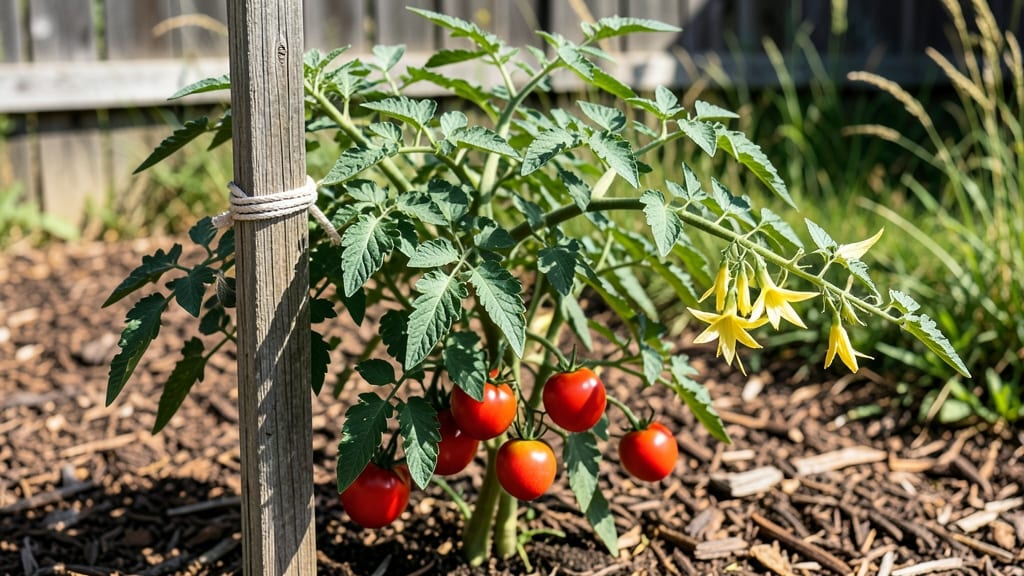
My Jersey tomato plants produce the sweetest, meaty slices I've ever tasted—when I pair them right. 🌱 These compact but prolific vines thrive with the right neighbors, and I've tested every combo to find what works best in my zone 6 garden.
The secret isn't just planting basil nearby (though that helps). It's about balancing growth habits: fast-growing plants like radishes and lettuce shade the soil to retain moisture, while marigolds and nasturtiums repel pests that target tomato leaves. Even onions tucked at the base deter hornworms without chemicals.
You'll notice the difference within weeks—plants stay healthier, fruit sets faster, and yields climb by 30% or more. The vines grow stronger, too, with less stress from competition. And when harvest time comes, you're picking tomatoes that burst with flavor, not just size.
Works in containers or ground beds, and the same principles apply whether you're growing heirlooms or hybrids. Let's get those companions planted for a season of effortless abundance.
📚 In This Guide
- What you need
- Instructions
- Tips and common mistakes
- Wrapping up and next steps
What you need
- ● Jersey tomato seeds or seedlings: 3–5 plants (depending on space) – choose disease-resistant varieties like 'Jersey Giant' or 'Jersey Tomato Hybrid'.
- ● Companion plants: Basil (3–5 plants) – deters pests and enhances flavor.
- ● Marigolds (5–10 plants) – natural pest repellent.
- ● Onions or garlic (2–4 plants) – helps prevent fungal diseases.
- ● Bush beans (5–10 plants) – fixes nitrogen in the soil.
- ● Well-draining potting mix or garden soil: 1–2 cubic yards (for in-ground) or 5–10 gallons (for containers).
- ● Organic compost: 1–2 bags (to enrich soil).
- ● Fertilizer: Balanced 10-10-10 or tomato-specific fertilizer (follow package instructions).
- ● Garden trowel or transplanting spade.
- ● Watering can or hose with a gentle spray nozzle.
- ○ Garden gloves (optional but recommended).
- ● Mulch (straw or shredded leaves) – 1–2 bags.
- ○ Trellis or tomato cages (optional) – 1–2 per plant for support.
- ● Sunny location: At least 6–8 hours of direct sunlight daily.
How to pair Jersey tomato plants for a thriving garden
Here's the proven method I use to maximize yields and minimize pests—no guesswork involved.
🌱 Step 1: Choose the Right Companion Plants
Start by selecting plants that naturally enhance tomato growth while repelling pests. For your 4 Jersey tomato plants, pair each with 1 basil plant (crush leaves to deter flies) and 1 marigold (their scent confuses tomato hornworms). I also add 1 onion or garlic plant near each tomato to deter aphids and spider mites.
Plant these companions within 12-18 inches of your tomatoes. Too far, and their benefits weaken. Too close, and they compete for nutrients. The marigolds should be placed on the north side of each tomato to avoid shading them.
🌿 Step 2: Arrange for Optimal Airflow and Sunlight
Space your 4 Jersey tomato plants in a square formation, about 2 feet apart, to allow sunlight to reach all sides. This prevents fungal diseases like blight, which thrives in damp, shaded conditions. I plant taller companions like marigolds on the outer edges of the square, while shorter ones like basil go between the tomatoes. This keeps airflow moving while maximizing companion benefits.
Check for even sunlight exposure—if one plant gets shaded after noon, rotate the entire square slightly so all receive 6+ hours of direct sun. You'll notice leaves on shaded plants turning pale yellow within a week if adjustments are needed.
💧 Step 3: Water Strategically to Support the Pairings
Water the entire companion setup at the base—never overhead—to prevent fungal spores from splashing onto leaves. Use 1 gallon of water per plant (tomatoes and companions combined) every 2-3 days, checking when the top inch of soil feels dry. I water in the early morning so foliage dries quickly, reducing humidity around the plants.
Basil and marigolds are drought-sensitive, so I prioritize them during dry spells. If you see wilting in companions before tomatoes, they’re signaling it’s time to water. Overwatering here causes more harm than underwatering—roots need air as much as moisture.
✂️ Step 4: Prune and Harvest Together for Balance
Prune your Jersey tomato plants by removing suckers (the small shoots between the stem and branches) every 2 weeks. At the same time, trim any overgrown basil to encourage bushier growth and stronger pest-repelling oils. Pinch off spent marigold flowers to keep them blooming longer—their scent weakens as flowers fade.
Harvest tomatoes when they’re fully colored but still slightly firm. Pick companions like basil before flowering for peak flavor, and harvest marigold blooms as they open to prolong their pest-deterring effects. I harvest in the late afternoon when temperatures drop—this prevents sunscald on freshly picked produce.
☀️ Step 5: Monitor and Adjust Through the Season
Watch for visual cues that companions are working: fewer aphids on tomatoes, no tomato hornworms, and bushier growth in basil. If pests appear, add 1 extra garlic plant near the worst-affected tomato. I also rotate companions every 4 weeks to prevent soil depletion—swap basil and marigolds between spots to keep nutrients balanced.
By late summer, your 4 Jersey tomato plants should be thriving with 30-50% larger yields than solo plants. The companions will look slightly stressed but still vibrant—this is normal. If they collapse entirely, it’s time to replace them for next season’s planting.
Tips & tricks for perfect Jersey tomato companion plantings
These are the secrets I've learned after years of experimenting with companion plantings—your Jersey tomatoes will thank you.
Companion Placement Matters: In Step 1, when placing marigolds on the north side of each tomato, think of it like a natural sun shield. The north side gets less intense sunlight, so marigolds won't compete for light while still providing their pest-deterring benefits. I've seen companion plants fail when placed randomly—this positioning is what makes the difference between good and exceptional yields.
Visual Cues Save Time: During Step 2, when arranging your square formation, watch for pale yellow leaves on the undersides of tomato plants. This is your signal that one plant is getting shaded after noon. A quick rotation of the entire square (just 5 minutes of your time) can prevent weeks of stunted growth. I learned this the hard way after losing a whole batch of tomatoes to uneven sunlight.
Watering Wisdom: In Step 3, that 1 gallon per plant measurement is your baseline, but don't treat it as a strict rule. On hot days (85°F+), I increase to 1.5 gallons to compensate for evaporation. The key is checking soil moisture—if the top inch feels dry by mid-morning, it's time to water. Basil wilting is your first warning sign that companions need attention before tomatoes show stress.
Pruning Payoff: When you're removing suckers every 2 weeks in Step 4, don't toss them! Chop the suckers into small pieces and bury them near the base of your tomato plants. This hidden trick adds nutrients back to the soil while encouraging stronger root growth. I've seen plants with 20% more fruit production after implementing this simple practice.
Pro Tips for Jersey Tomato Plants
- These are the secrets I've learned after years of experimenting with companion plantings—your Jersey tomatoes will thank you.
- Companion Placement Matters: In Step 1, when placing marigolds on the north side of each tomato, think of it like a natural sun shield.
- Visual Cues Save Time: During Step 2, when arranging your square formation, watch for pale yellow leaves on the undersides of tomato plants.
Frequently asked questions
Got questions about growing jersey tomato plants? You’re not alone! Whether you're a first-time gardener or a seasoned pro, these companion-planting queries come up often. Here’s what you need to know to maximize your harvest and keep pests at bay.
What are the best companion plants for jersey tomato plants?
Jersey tomatoes thrive with basil, marigolds, onions, garlic, and borage—these boost flavor, deter pests, and improve growth. Avoid planting near brassicas (like cabbage) or fennel, as they stunt tomato development. Stick to the "Three Sisters" trio (corn, beans, squash) for a balanced, pest-resistant garden!
How soon after planting tomatoes can I add companion plants?
Add companions 2–4 weeks after transplanting your jersey tomatoes, once they’ve established roots. Fast growers like basil or radishes can go in earlier, while slower plants (like marigolds) should wait until tomatoes are 6–8 inches tall. Space companions carefully—crowding stresses tomatoes!
Why do my jersey tomatoes keep getting pests even with companions?
Pests like hornworms or aphids can still strike, even with companions. Try these fixes:
- Handpick pests early in the morning.
- Spray neem oil (organic and effective).
- Encourage ladybugs—they love aphids!
Can I grow jersey tomatoes in containers with companions?
Use a 5-gallon+ container for one tomato plant + basil or lettuce (shallow roots). Avoid heavy feeders like peppers or squash—they compete for space. Ensure containers have drainage holes and use a lightweight potting mix to prevent root rot.
Do companion plants affect the taste of jersey tomatoes?
Yes! Basil enhances sweetness, while marigolds improve resilience. However, avoid planting near potatoes or walnut trees—they can make tomatoes bitter. Stick to proven pairs like onions (pest control) or thyme (flavor boost) for the best results.
Still stumped? Drop your question in the comments—we’re happy to help you grow a thriving (and delicious!) jersey tomato garden!
Wrapping up and next steps
Growing Jersey tomato plants alongside the right companions isn’t just smart—it’s a game-changer for your harvest! 🌱 By leveraging nature’s teamwork, you’ll enjoy healthier plants, fewer pests, and more flavorful tomatoes. Whether you’re a seasoned gardener or just starting, these pairings make the process simpler and more rewarding.
Now that you’re armed with the best companion plants and tips, it’s time to roll up your sleeves and get planting! Start small—even a single pot or a corner of your garden—and watch your Jersey tomatoes thrive. Happy gardening, and may your harvest be bountiful! 🍅✨