
Companion Plants
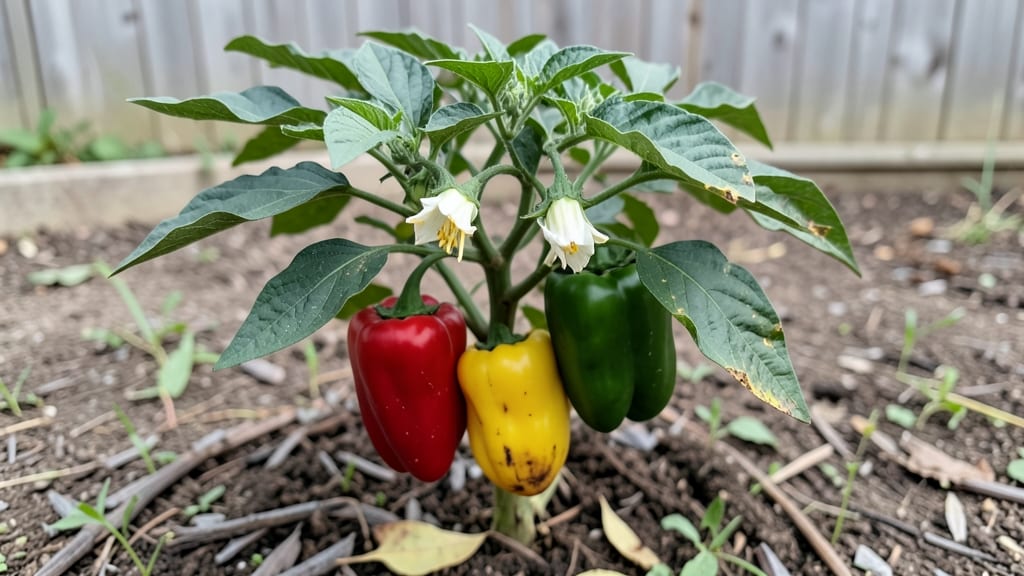
Pinching pepper plants isn't just trimming—it’s the secret to bushier plants and more peppers all season long. 🌱 I learned the hard way that skipping this step means leggy plants with fewer fruits, but once I started pinching, my bell peppers doubled in yield within weeks.
The key is timing and technique, and I’ll show you exactly how to do it without stressing the plant.
You only need two things: sharp scissors or clean pruners and a sunny day. The best time to pinch is when plants are 6–8 inches tall, just above where leaves meet the stem.
This encourages branching, which means more spots for flowers and fruit. Avoid pinching too early or too late—both can stunt growth or reduce harvests.
After pinching, your plants will send out new shoots within 10–14 days, and you’ll notice thicker stems and more leaves. By midseason, you’ll be harvesting peppers from multiple branches instead of just the top.
The trick is consistency—keep an eye on growth and pinch again if needed, especially for bush varieties.
This works for all pepper types—jalapeños, bell peppers, even chiles—whether you’re growing in pots or the ground. Just remember: less is more. A little pinch now means a bountiful harvest later, and you’ll never look at your pepper plants the same way again.
📚 In This Guide
- What you need
- Instructions
- Tips and common mistakes
- Wrapping up and next steps
What you need
- ● Pepper plants: Healthy seedlings or young plants (ages 6–8 weeks old) of your favorite varieties (e.g., jalapeños, bell peppers, or habaneros). Aim for 3–5 plants if starting small.
- ● Sharp, clean pruning shears or scissors: Disinfect with rubbing alcohol to prevent disease. Avoid dull tools—they crush stems instead of pinching cleanly!
- ○ Gloves (optional but recommended): Protect your hands from thorns (especially on hot peppers like carolina reapers) and sap.
- ● Growing medium: Well-draining potting mix (e.g., 50% peat/coir + 50% perlite or vermiculite) or nutrient-rich garden soil with compost.
- ● Containers or garden space: For containers: 5–7 gallon pots (1 plant per pot) with drainage holes.
- ● For ground planting: Full sun (6+ hours/day) and spacing of 18–24 inches apart.
- ● Fertilizer: Balanced, water-soluble fertilizer (e.g., 10-10-10 or 5-5-5) or organic options like fish emulsion or compost tea.
- ● Growth regulator: Products like Paclobutrazol (e.g., B-Nine) to slow vertical growth if your plants are bolting too fast.
- ● Plant supports: Small stakes or cages (4–6 inches tall) for early training if you’re pruning aggressively.
- ● Hydrogen peroxide (3%) or cinnamon: Spritz pinch points to prevent infection.
- ● Grow lights: If extending your season indoors (LED or fluorescent bulbs, 12–16 hours/day).
- ● Journal or labels: Track pinch dates, plant responses, and harvest notes for future reference!
How to pinch pepper plants for bushier, healthier growth
Let’s turn those leggy pepper seedlings into sturdy, productive plants with just your fingers and a little timing.
✂️ Step 1: Identify the Right Time to Pinch
Wait until your pepper plants have 4-5 true leaves—that’s when they’re strong enough to handle pruning. You’ll spot these as the larger, mature leaves beyond the initial cotyledons (those tiny, round seed leaves). Pinching too early stresses the plant, while waiting too long means you’ll be removing flower buds instead of encouraging foliage.
This is the moment that matters: before the plant reaches 6-8 inches tall. At this stage, peppers focus energy on vertical growth. Pinching redirects that energy downward, producing a bushier plant with more branches—and more peppers later. I always check the undersides of leaves for spider mites first; if you see webbing, skip pinching until you treat the infestation.
✂️ Step 2: Locate and Remove the Right Growth Points
Find the top set of leaves where the stem is still soft and flexible. Just above this cluster, you’ll see a tiny bump or node—the growth point or apical bud. This is where new vertical growth emerges. Using your thumb and forefinger, pinch this point off cleanly—no jagged edges, just a smooth break. You’ll feel resistance as you snap it off; don’t tear the stem.
I like to do this on a bright, sunny morning so the plant can recover quickly. If you pinch after a rain or in the evening, the wound stays damp longer, increasing the risk of rot. After pinching, inspect the stem for any damaged areas. If you see a small tear, leave it—peppers heal fast, but larger wounds can invite disease.
🌿 Step 3: Encourage Lateral Branches to Thicken
Within 7-10 days, you’ll notice two to three smaller buds forming where you pinched. These are your lateral branches, and they’re the future home of your pepper harvest. To help them grow strong, reduce watering slightly for the first week post-pinch. Overwatering now sends roots deeper instead of supporting the new branches.
Here’s the thing—these branches won’t grow overnight. Be patient and avoid fertilizing for 2 weeks after pinching. New growth needs time to establish roots before it can support heavy foliage. You’ll know you’re on track when these side shoots reach 2-3 inches tall and develop their own sets of leaves.
⏰ Step 4: Repeat Pinching for a Full, Productive Plant
Once your lateral branches have 3-4 leaves each, pinch each of their apical buds the same way. This creates a second tier of branches, turning your plant into a multi-armed pepper factory. For 4 pepper plants, you’ll repeat this process 2-3 times per plant over the growing season, always targeting the topmost growth point on each branch.
Real talk: Don’t overdo it. If you pinch too aggressively, the plant will focus on recovery instead of fruiting. Aim for 3-4 pinching sessions total per plant. After the last pinch, increase watering and fertilize lightly to support the heavy fruit load. You’ll see the difference in 4-6 weeks—a plant that was once a single stem now looks like a bushy, pepper-producing powerhouse.
☀️ Step 5: Adjust Light and Support for Heavy Growth
Pinched pepper plants need more light to support their new structure. If you notice leaves curling or stems stretching toward the window, move your plants within 6 inches of a grow light or to a south-facing spot. Without enough light, those new branches will grow weak and produce fewer peppers.
For container-grown peppers, add a small tomato cage or bamboo stake after the second pinch. The extra branches add weight, and without support, stems can bend or break. Tie the main stem loosely to the stake with soft garden twine, leaving room to grow. This keeps peppers upright and makes harvesting easier—no more bending over or risking snapped stems.
Tips & tricks for perfect pepper pinching
Here's what nobody tells you about transforming leggy pepper plants into sturdy, productive bushes.
Timing is Everything: The 4-5 true leaves stage is your sweet spot—waiting until the plant reaches 6-8 inches tall ensures it's strong enough to handle the pinch. I learned this the hard way after snapping off growth points too early and watching my plants struggle to recover. Trust me, patience here pays off with more robust branches later.
The Technique That Changed Everything: When you pinch that apical bud, aim for a clean break right above the top set of leaves. You'll feel a satisfying snap when you do it right—no tearing! I use my thumb and forefinger like a pair of scissors, and I always pinch just above a leaf node where new growth will emerge. This creates the perfect spot for those lateral branches to develop.
Light and Water Strategy: After pinching, move your plants to the brightest spot you have—within 6 inches of a grow light if possible. And here's the thing: reduce watering slightly for that first week post-pinch. I know it seems counterintuitive, but overwatering now sends roots deeper instead of supporting those new branches you're trying to encourage. Think of it as giving your plant time to redirect its energy upward.
Support System: For container-grown peppers, don't wait until you see problems to add support. After your second pinch, install a small tomato cage or bamboo stake and loosely tie the main stem with soft garden twine. This prevents snapped stems when those new branches get heavy with fruit. I've seen too many beautiful pepper plants topple over because they weren't supported early enough.
Pro Tips for Pinch Pepper Plants
- Here's what nobody tells you about transforming leggy pepper plants into sturdy, productive bushes.
- Timing is Everything: The 4-5 true leaves stage is your sweet spot—waiting until the plant reaches 6-8 inches tall ensures it's strong enough to handle the pinch.
- The Technique That Changed Everything: When you pinch that apical bud, aim for a clean break right above the top set of leaves.
Frequently asked questions
Got questions about pinching pepper plants? You’re not alone! Here are some of the most common queries—and straightforward answers—to help you master this technique for bushier, more productive plants.
When is the best time to pinch pepper plants?
Pinch your pepper plants early in their growth cycle—typically when they’re 6–12 inches tall and have 4–6 true leaves. This encourages branching and a fuller shape. Avoid pinching after flowering or fruiting, as it can stress the plant and reduce yields. For indoor plants, start pinching 4–6 weeks after germination.
How do I know if I’ve pinched too much?
If you’ve pinched more than 1/3 of the plant’s height at once or removed too many leaves, you might see stunted growth, yellowing leaves, or delayed flowering. A good rule: Never remove more than 20–30% of the foliage in a single session. If you overdo it, give your plant time to recover with extra light and water.
Can I use scissors or should I pinch by hand?
Both work, but clean fingers or sharp pruning shears are ideal. Pinching by hand is faster for small plants, while scissors prevent jagged cuts on thicker stems. Disinfect tools with rubbing alcohol between plants to avoid spreading disease. Avoid tearing leaves—aim for a clean break just above a leaf node (where new branches form).
What if my pepper plant doesn’t branch after pinching?
Lack of branching often stems from low light, overcrowding, or nutrient deficiencies. Ensure your plant gets 6–8 hours of sunlight daily (or grow lights) and check for yellow leaves (nitrogen deficiency) or weak stems (phosphorus/potassium lack). If the issue persists, try topping (cutting the main stem) to force lateral growth—but wait until the plant is at least 18 inches tall.
Are there pepper varieties that don’t need pinching?
Yes! Bush-type peppers (like Shishito, Cherry Bomb, or Thai Hot) naturally grow compact and rarely need pinching. However, tall varieties (e.g., Jalapeño, Cayenne, or Habanero) benefit from pinching for better yields. For indeterminate types, light pinching still helps shape the plant without drastically altering its growth. Always check seed packets for variety-specific tips!
Wrapping up and next steps
Pinching your pepper plants is a simple yet powerful way to boost compact, bushier growth and maximize your harvest—whether you're growing in pots or a garden bed! 🌱 By mastering this technique, you’ll enjoy healthier plants, more flowers, and a longer harvest season, even in cooler months.
Ready to put your new skills to work? Grab your pruners and start pinching today—your future pepper feast is just a trim away!
Next step:
- 📅 Pick a sunny day to inspect your plants and start pinching.
- 🌿 Monitor progress and adjust as needed for year-round success!