
Diseases
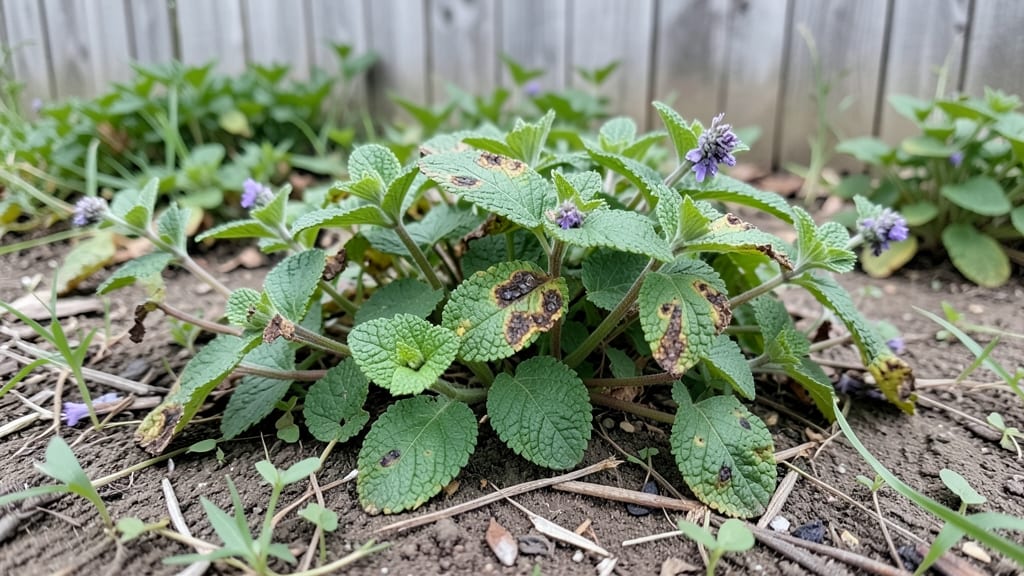
When your peppermint plants start looking sad with gray fuzzy patches or yellowing leaves, you're likely dealing with powdery mildew or root rot—two of the most common peppermint plant diseases. 🌿 I’ve seen it happen in my own garden, where a single infected plant can spread fast if you don’t act quickly.
The good news? These issues are preventable with the right care.
The problem usually starts with too much moisture or poor airflow—whether from overwatering, crowded plants, or shady spots. Powdery mildew thrives in humid conditions, while root rot sets in when roots sit in soggy soil for too long.
Once you spot the signs—like white powder on leaves or wilting despite regular watering—it’s time to act before the whole patch suffers.
You can save your peppermint by pruning infected leaves, improving airflow, and applying a mix of baking soda and water (1 teaspoon per quart) as a natural fungicide.
For root rot, adjust your watering schedule and ensure pots or soil have proper drainage. With these steps, your plants should bounce back within a few weeks.
Prevention is easier than cleanup: space plants apart, water at the base (not overhead), and avoid planting in low-lying areas where water pools. A little extra care now means lush, fragrant peppermint all season long—without the stress of disease.
Why it happens
Peppermint plants, while hardy and resilient, aren’t immune to disease. When issues arise, they’re almost always the result of a mix of environmental stress, poor cultural practices, or microbial invaders. Let’s break down the why behind the most common peppermint plant diseases—so you can prevent them before they strike.
🌡️ Environmental Stress Factors
Peppermint thrives in cool, moist conditions, but when those parameters swing too far, diseases take hold. Here’s how:
- Excessive Moisture: Peppermint roots need consistent dampness, but too much water—especially in stagnant soil—creates the perfect breeding ground for fungal pathogens like Rhizoctonia and Phytophthora. Poor drainage or overwatering forces roots to suffocate, weakening the plant’s defenses. Pro tip: Ensure containers or garden beds have drainage holes and raise beds slightly to prevent waterlogging.
- Extreme Temperature Fluctuations: Sudden heatwaves or cold snaps shock peppermint plants, making them susceptible to downy mildew or powdery mildew. Cold stress (below 20°F/-6°C) can also trigger Verticillium wilt, a soil-borne fungus that thrives in stressed hosts. Pro tip: Mulch heavily in winter to insulate roots and avoid overhead watering when temps drop.
- High Humidity Without Airflow: Peppermint leaves love humidity, but stagnant air (like in dense foliage or greenhouses) traps spores and promotes fungal spread. Diseases like rust or gray mold (Botrytis) spread rapidly in these conditions. Pro tip: Space plants 12–18 inches apart and use fans or open vents to improve circulation.
🌱 Poor Cultural Practices
Even the hardiest plants suffer when basic care is neglected. Peppermint diseases often stem from these avoidable mistakes:
- Overcrowding: Dense plantings block airflow and create microclimates where moisture lingers. This encourages leaf spot diseases (like Septoria) and root rot. Pro tip: Thin seedlings to 12–18 inches apart and avoid planting in tight rows.
- Nutrient Imbalances: Too much nitrogen (common in fertilized soil) leads to lush, weak growth—prime targets for pests and pathogens. Conversely, phosphorus or potassium deficiencies weaken cell walls, making plants more vulnerable to wilt diseases. Pro tip: Use a balanced 10-10-10 fertilizer and conduct a soil test before planting.
- Contaminated Tools or Soil: Fungal spores (e.g., Fusarium) can lurk in old potting mix, garden tools, or even compost. If you’ve grown infected plants before, spores may persist in the soil for years. Pro tip: Sterilize tools with 70% isopropyl alcohol and solarize soil (cover with clear plastic for 4–6 weeks in summer) to kill pathogens.
🦠 Microbial Invaders
Some diseases are purely biological—caused by fungi, bacteria, or viruses that exploit peppermint’s natural vulnerabilities. Here’s how they exploit weaknesses:
| Pathogen | How It Infects | Triggering Conditions |
|---|---|---|
| Rhizoctonia solani (Damping-off/Root Rot) | Invades young seedlings or stressed roots, causing brown, water-soaked lesions that girdle stems. | Cool, wet soil (50–80°F/10–27°C) with poor drainage. |
| Pseudomonas syringae (Bacterial Leaf Spot) | Enter through wounds (e.g., pruning cuts) or natural openings, causing dark, greasy spots with yellow halos. | Warm, humid weather (70–80°F/21–27°C) with overhead irrigation. |
| Peronospora menthae (Downy Mildew) | Spores land on undersides of leaves, forming fuzzy white growth that blocks photosynthesis. | High humidity (>75%) and temperatures between 60–75°F (15–24°C). |
| Verticillium dahliae (Verticillium Wilt) | Invades xylem vessels, clogging water transport and causing wilting, yellowing, and stunted growth. | Stressed plants in warm soil (77–86°F/25–30°C) with poor drainage. |
Pro tip: Rotate crops (avoid planting mint in the same spot for 3+ years) and remove infected debris immediately to starve soil-borne pathogens.
🐛 Pests as Disease Gatekeepers
While not diseases themselves, pests like aphids, spider mites, and slugs create entry points for pathogens. Aphids, for example, excrete honeydew—a sugary film that promotes sooty mold (a fungal growth).
Slugs chew irregular holes, leaving wounds where bacterial infections can take root. Pro tip: Monitor for pests early and use neem oil or diatomaceous earth as a preventive barrier.
Quick Fixes for Peppermint Plant Problems
Once you’ve identified the issue plaguing your peppermint plants, acting fast can mean the difference between saving your harvest and losing it. Below are practical, step-by-step solutions tailored to the most common peppermint diseases—fungal, bacterial, and environmental stressors—along with prevention tips to keep your plants thriving.
🌱 Fungal Infections: Mold, Rust, and Rot
🍄 Powdery Mildew: The Fluffy White Invader
Cause: Erysiphe cichoracearum thrives in humid, poorly ventilated conditions. Fix It:
- 🔥 Remove Infected Leaves – Snip off heavily mildewed foliage (don’t compost it—dispose of it in the trash).
- 🍳 Homemade Spray Solution – Mix 1 tsp baking soda + 1 tsp horticultural oil + 1 quart water + a drop of dish soap (as a surfactant). Spray every 7–10 days until gone.
- 🌡️ Improve Airflow – Space plants 12–18 inches apart and prune crowded growth.
- ✨ Prevent Recurrence – Apply neem oil spray (1 tbsp neem oil + 1 quart water) weekly during humid months.
💡 Pro Tip: Water early in the day so leaves dry quickly—fungi love dampness!
🍂 Root Rot: The Silent Killer
Cause: Overwatering or poor drainage leads to Phytophthora or Pythium fungi. Fix It:
- ⏰ Stop Watering Immediately – Let the soil dry out completely before watering again.
- 👨🍳 Repot in Fresh Soil – Remove the plant, trim black/mushy roots, and repot in sterilized potting mix with perlite or sand for drainage.
- 🌱 Adjust Watering Habits – Water only when the top 1–2 inches of soil are dry. Use pots with drainage holes.
- 🔪 Fungicide Boost – Drench roots with a copper fungicide (follow label rates) for severe cases.
💡 Pro Tip: If repotting isn’t an option, solarize the soil by covering it with clear plastic for 4–6 weeks to kill fungi.
🍅 Rust Fungus: Orange Spots on Leaves
Cause: Puccinia spores spread via wind or splashing water. Fix It:
- 🔪 Prune & Destroy Infected Leaves – Remove all rusty spots to prevent spore spread.
- 🍳 Copper or Sulfur Spray – Use a 1% copper fungicide or wettable sulfur (mix 2 tbsp per gallon of water) every 10–14 days.
- 🌡️ Reduce Leaf Wetness – Water at the base (not overhead) and avoid late-day watering.
- ✨ Prevent Spread – Space plants farther apart and rotate crops if growing peppermint in garden beds.
🦠 Bacterial Diseases: Oozing and Wilting
💦 Bacterial Blight: Water-Soaked Spots
Cause: Xanthomonas campestris spreads via contaminated water or tools. Fix It:
- 🔪 Remove & Dispose of Infected Plants – Bacteria can’t be cured; burn or trash affected plants to stop spread.
- 🍳 Copper Bactericide Spray – Use copper hydroxide (e.g., Kocide 3000) every 7–10 days on remaining plants.
- 🌱 Sterilize Tools & Hands – Clean pruners with 70% isopropyl alcohol between cuts.
- 💡 Prevention: Avoid overhead watering and rotate planting locations yearly.
🌿 Verticillium & Fusarium Wilt: Sudden Wilting
Cause: Soil-borne fungi Verticillium dahliae or Fusarium oxysporum clog plant vessels. Fix It:
- 🌱 Replace Infested Soil – These fungi persist for years; remove and replace the top 6–12 inches of soil.
- 🍳 Solarization or Fumigation – Cover soil with clear plastic for 6 weeks in hot sun, or use organic soil fumigant (e.g., hydrogen peroxide).
- 🌡️ Choose Resistant Varieties – If growing peppermint long-term, opt for disease-resistant mints (though true peppermint is susceptible).
- ✨ Crop Rotation – Avoid planting mints or susceptible herbs (like basil) in the same spot for 3–4 years.
🌞 Environmental Stress: Yellowing and Weak Growth
🍃 Nutrient Deficiency: Pale or Yellow Leaves
Cause: Lack of nitrogen, magnesium, or iron (common in overwatered or compacted soil). Fix It:
- 📊 Soil Test First – Use a DIY test kit or send a sample to a lab to identify deficiencies.
- 🍳 Organic Fertilizer Boost –
- Nitrogen: Fish emulsion (1 tbsp/gallon water).
- Magnesium: Epsom salt (1 tbsp/gallon water, spray on leaves).
- Iron: Chelated iron supplement (follow package rates).
- 🌱 Loosen Soil – Peppermint prefers well-draining, slightly acidic soil (pH 6.0–7.0). Amend with compost or peat moss if needed.
- ⏰ Feed Regularly – Apply a balanced liquid fertilizer (10-10-10) every 4–6 weeks during growing season.
💡 Pro Tip: Yellow lower leaves = nitrogen; yellow with green veins = magnesium; white/yellow patches = iron.
🔥 Heat & Sun Stress: Scorched or Crispy Edges
Cause: Peppermint prefers partial shade (3–6 hours of sun). Too much direct sun = stress. Fix It:
- 🌳 Provide Shade – Move pots to a dappled sunlight spot or use shade cloth (30–50%).
- 💦 Increase Watering – Water deeply 2–3 times per week in hot weather (check soil moisture).
- 🌱 Mulch Thickly – Apply 2–3 inches of straw or wood chips to retain moisture and cool roots.
- ✨ Avoid Fertilizer Burn – Stop fertilizing during extreme heat—focus on water and shade first.
🛡️ General Prevention Checklist
To keep your peppermint plants disease-free and vigorous, follow these year-round habits: ✅ Rotate crops – Don’t plant peppermint in the same spot annually. ✅ Clean up debris – Remove dead leaves and stems weekly to reduce fungal spores. ✅ Sterilize tools – Wipe pruners with rubbing alcohol between plants. ✅ Improve drainage – Use raised beds or containers if your garden soil is heavy clay. ✅ Monitor humidity – Use a dehumidifier in greenhouses or space fans in crowded grows. ✅ Buy disease-free starts – Avoid nursery plants with yellowing, spots, or wilting.
Final Thought: Most peppermint diseases are preventable with good hygiene and smart growing habits. If you catch issues early, even severe infections can be managed—so inspect your plants weekly and act at the first sign of trouble! 🌿💚
Frequently asked questions
How do I tell if my peppermint plant has a fungal infection vs. a bacterial issue?
Fungal infections often show as white powdery coatings (like powdery mildew), orange spots (rust), or gray mold growth. Bacterial issues usually appear as dark, water-soaked spots that may ooze fluid when pressed—often with yellow halos around them. Fungi thrive in damp conditions, while bacteria spread through contaminated water or tools.
Can I save my peppermint plant if it’s already showing signs of root rot?
Yes, but act quickly! First, stop watering and remove the plant from soggy soil. Trim away all blackened or mushy roots, then repot in fresh, sterile potting mix with perlite for better drainage. Water only when the top 1-2 inches of soil are dry. For severe cases, apply a copper fungicide to the roots.
Why does powdery mildew keep coming back even after treatment?
Powdery mildew returns because spores can linger in the environment. To break the cycle, improve airflow by spacing plants 12-18 inches apart, prune crowded growth, and water early in the day so leaves dry fast. Regular preventive sprays like neem oil (weekly during humid months) also help.
Are there organic solutions for treating peppermint plant diseases?
For fungal issues, try a baking soda spray (1 tsp baking soda + 1 quart water + dish soap drop). For bacterial blight, use copper-based sprays like Kocide 3000. Neem oil works as both a fungicide and insect repellent. Always sterilize tools with rubbing alcohol to prevent spreading spores.
How can I prevent peppermint diseases before they start?
Prevention is key! Rotate crops, clean up debris weekly, and sterilize tools. Plant in well-draining soil with good airflow, avoid overhead watering, and mulch to maintain consistent moisture. Start with disease-free seedlings and monitor humidity levels—keeping it below 75% reduces fungal risks.