
Diseases
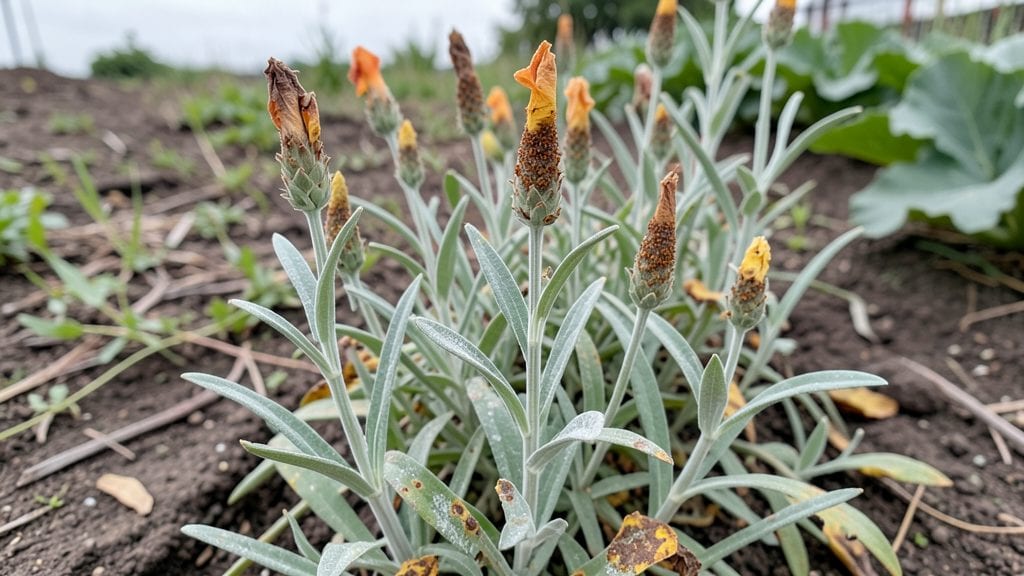
Snapdragon plant diseases can turn vibrant blooms into sad, spotted messes faster than you’d think. 🌿 I’ve watched powdery mildew creep across my snapdragons like white lace, and botrytis blight turn stems to mush—both preventable if you catch them early.
The key is recognizing the first signs: those fuzzy white patches on leaves or the sudden wilting that won’t quit.
Most of these problems start with too much moisture or poor airflow—common mistakes even experienced gardeners make. Spacing plants too close or watering from above creates the perfect damp conditions for fungi and bacteria to throw a party on your snapdragons.
The good news? Simple fixes like proper spacing, watering at the base, and removing infected leaves can stop outbreaks before they ruin your whole garden.
You’ll learn to spot the early warnings—yellowing leaves, dark spots, or that telltale powdery coating—and how to treat them without harsh chemicals. Organic sprays like neem oil or baking soda mixtures work wonders when applied at the first sign of trouble.
Once you master these tricks, your snapdragons will stay healthy, sturdy, and ready to bloom all season long.
This works for both in-ground and container snapdragons, so whether you’re growing a few plants or a full border, these strategies keep your garden thriving. Let’s get those plants fighting back before diseases even get a foothold.
Root Causes Behind Snapdragon Struggles
Snapdragons (Antirrhinum majus) are resilient, but like any plant, they’re vulnerable to diseases when certain conditions align. Understanding why these issues arise helps you take proactive steps to protect your garden.
Below, we break down the science behind the most common threats—from fungal invaders to bacterial attacks—and what triggers their takeover.
Snapdragons thrive in open spaces, but when plants are packed too tightly, moisture lingers, and airflow stalls. This creates the ideal environment for Botrytis blight (gray mold) and powdery mildew to spread.
Why it happens:
- Humidity buildup: Stagnant air traps water droplets on leaves, giving fungal spores a moist surface to germinate. Botrytis thrives in humidity levels above 75%, while powdery mildew prefers 60–90%.
- Leaf wetness duration: Water sitting on leaves for more than 6–12 hours (e.g., from dew or overhead watering) increases infection risk by 300%.
- Shade stress: Dense plantings block sunlight, weakening snapdragons’ natural defenses. Weakened foliage is an open invitation for pathogens.
Actionable fix: Space snapdragons 6–12 inches apart (depending on variety) and prune lower leaves to improve airflow. If growing in containers, choose wider pots over deep ones.
Snapdragons hate soggy roots but also struggle with drought stress—both extremes weaken their immunity to diseases like Alternaria leaf spot and Fusarium wilt.
Why it happens:
- Overwatering: Waterlogged soil cuts off oxygen to roots, stressing the plant and making it susceptible to Fusarium (a soil-borne fungus). Roots release sugars that attract fungal spores.
- Underwatering: Drought-stressed snapdragons produce thicker, waxier leaves—perfect for powdery mildew spores to latch onto.
- Irrigation timing: Watering in the evening or after dark keeps leaves wet overnight, doubling the risk of Botrytis infections.
Actionable fix:
- Water at the base of the plant (not overhead) in the morning so foliage dries within 4–6 hours.
- Use drip irrigation or soaker hoses to avoid wetting leaves.
- Check soil moisture with your finger—water only when the top 1–2 inches are dry.
Diseases like Verticillium wilt and bacterial leaf spot often hitch a ride on infected soil, old plant debris, or even gardening tools.
Why it happens:
- Past infections: Soil can harbor fungal spores for years. If you planted snapdragons (or susceptible crops like tomatoes or peppers) in the same spot last year, residual pathogens may still be active.
- Tool transmission: Pruners, trowels, or gloves contaminated with Xanthomonas bacteria (cause of bacterial leaf spot) can spread the disease to healthy plants.
- Organic matter buildup: Leaving old plant debris in the garden provides a food source for fungi like Sclerotinia (white mold).
Actionable fix:
- Rotate crops: Avoid planting snapdragons in the same spot for 3–4 years.
- Sterilize tools with a 10% bleach solution (1 part bleach to 9 parts water) or 70% isopropyl alcohol between uses.
- Remove and discard (don’t compost) infected plant material. For soil, solarize beds in summer or apply composted manure to improve microbial balance.
Extreme temperatures—whether scorching heat or late-season frosts—compromise snapdragon health, making them easier targets for diseases.
Why it happens:
- Heat stress (>90°F): High temperatures weaken cell walls, making snapdragons more vulnerable to Alternaria and powdery mildew. Heat also increases transpiration, drying out leaves and reducing disease resistance.
- Cold stress (<50°F at night): Snapdragons are tender perennials in warm climates but may suffer cold damage, which opens wounds for bacterial infections like Pseudomonas.
- Sudden temperature swings: Rapid changes (e.g., daytime heat followed by nighttime frost) shock plants, suppressing their immune response.
Actionable fix:
- Provide afternoon shade in hot climates (use shade cloth or plant near taller crops).
- Mulch with 2–3 inches of straw or wood chips to regulate soil temperature and retain moisture.
- Avoid planting snapdragons in low-lying areas where cold air pools.
💡 Pro Tip: Healthy snapdragons start with balanced care. Conduct a quick soil test to ensure pH is between 6.0–7.0—outside this range, nutrient uptake suffers, weakening disease resistance. Add compost or a slow-release fertilizer (like 10-10-10) at planting time for a strong foundation.
Fixing Snapdragon Plant Problems
When your snapdragons show signs of distress, acting fast can save them—and your garden! Below are practical, step-by-step solutions tailored to the most common diseases affecting snapdragons, from fungal infections to bacterial blights. Each fix includes prevention tips to keep your plants thriving long-term.
Fungal infections thrive in damp, crowded conditions. Here’s how to stop the spread and restore health.
🔥 Powdery Mildew: White Dusty Coating
Fix:
- Isolate infected plants 🚫 to prevent spores from jumping to healthy ones.
- Spray with a fungicide mix (neem oil + water + a drop of dish soap) every 7–10 days until symptoms disappear.
- Prune severely infected leaves 🔪 with sterilized scissors and dispose of them in the trash (not compost).
- Improve airflow by spacing plants 12–18 inches apart and avoiding overhead watering.
💡 Prevention Tips:
- Water at the base in the morning so foliage dries quickly.
- Space plants properly to reduce humidity buildup.
- Apply copper fungicide preventatively if mildew is common in your area.
🍅 Downy Mildew: Yellow Spots & Fuzzy Growth
Fix:
- Remove all infected leaves immediately 🌿 and destroy them (don’t compost).
- Apply a baking soda spray (1 tsp baking soda + 1 quart water + a few drops of soap) every 5–7 days.
- Use a systemic fungicide (like Myclobutanil) for severe cases—follow label instructions.
- Adjust watering habits: Water deeply but less frequently to avoid soggy soil.
💡 Prevention Tips:
- Rotate crops—don’t plant snapdragons in the same spot yearly.
- Choose resistant varieties like ‘Matrix’ or ‘Triumph’ if downy mildew is recurrent.
- Mulch with straw to keep soil dry and reduce spore splashing.
🍅 Root & Stem Rot: Soft, Darkened Base
Fix:
- Stop watering immediately 💧—let the soil dry out completely.
- Repot the plant into fresh, sterile potting mix (add perlite for drainage).
- Trim away mushy roots 🪒 with clean scissors, then dust cuts with cinnamon (natural antifungal).
- Move to a sunny spot (rot thrives in shade) and water only when the top inch of soil is dry.
💡 Prevention Tips:
- Use pots with drainage holes—never let plants sit in saucers of water.
- Avoid over-potting—root rot spreads faster in crowded containers.
- Sterilize tools between plants to prevent cross-contamination.
Bacteria spread quickly—act fast to contain them!
🌡️ Bacterial Leaf Spot: Dark Spots with Yellow Halos
Fix:
- Remove infected leaves 🍃 and sterilize your hands/tools with rubbing alcohol.
- Spray with a copper-based bactericide (like Copper Soap) every 10 days for 3 weeks.
- Water only at the base and avoid splashing leaves.
- Disinfect garden tools after each use to prevent spread.
💡 Prevention Tips:
- Rotate crops—don’t plant snapdragons after tomatoes or peppers (common bacterial hosts).
- Use drip irrigation instead of overhead sprinklers.
- Plant in well-draining soil to reduce bacterial buildup.
💀 Bacterial Wilting: Sudden Drooping & Oozing Stems
Fix:
- Dig up the plant 🌱 and inspect roots—if they’re dark and mushy, discard it immediately (no cure).
- Soak remaining plants in a 1:10 hydrogen peroxide solution (3% H₂O₂) for 10 minutes to kill bacteria.
- Replace soil in the affected area with fresh, sterile mix.
- Avoid watering for 3–5 days to let the soil dry out completely.
💡 Prevention Tips:
- Sterilize garden beds with solarization (cover with clear plastic for 4–6 weeks in summer).
- Avoid working in the garden when plants are wet (bacteria spread via cuts on leaves).
- Choose disease-resistant varieties like ‘Black Prince’ snapdragons.
No matter the issue, these habits keep snapdragons healthy: ✅ Inspect plants weekly for early signs of trouble. ✅ Rotate crops—don’t plant snapdragons in the same spot more than once every 3 years. ✅ Clean up debris at season’s end to remove overwintering pathogens. ✅ Use mulch (straw or wood chips) to improve soil health and reduce splashing. ✅ Avoid overhead watering—stick to drip irrigation or soaker hoses.
🎯 Pro Tip: If all else fails, start fresh! Sometimes the best solution is to pull severely infected plants and replant with disease-free seedlings. Your future snapdragons will thank you!
Frequently asked questions about snapdragon plant diseases
What are the first signs of powdery mildew on snapdragons?
Look for a white, powdery coating on leaves that resembles dust or flour. Early stages show as small white spots that grow into a thick, fuzzy layer. The undersides of leaves are often the first to show symptoms, and infected areas may turn yellow or brown over time.
Can I save a snapdragon plant with bacterial leaf spot?
You can try, but act fast! Remove all infected leaves immediately and sterilize your tools. Spray with a copper-based bactericide every 10 days for 3 weeks, and avoid overhead watering. If the disease spreads to stems, the plant may not recover—consider removing it to prevent spread to healthy plants.
Why does my snapdragon keep getting root rot despite proper watering?
Root rot thrives in poor drainage, not just overwatering. Check your pots for drainage holes and ensure soil isn’t compacted. If you’re using containers, mix in perlite or sand to improve airflow. Even with "proper" watering, soggy soil from lack of drainage can still cause rot.
How do I prevent diseases when growing snapdragons in containers?
Use sterile potting mix, space plants properly (6–12 inches apart), and water at the base only. Choose containers with drainage holes and avoid overcrowding. Sterilize tools between plants, and remove any infected foliage immediately—don’t compost it.
Are there snapdragon varieties that resist diseases better?
Yes! Look for varieties like 'Matrix' or 'Triumph'—they’re bred for mildew resistance. 'Black Prince' snapdragons also handle bacterial issues better. Always check seed packets for disease-resistant labels when shopping for new plants.