Diseases
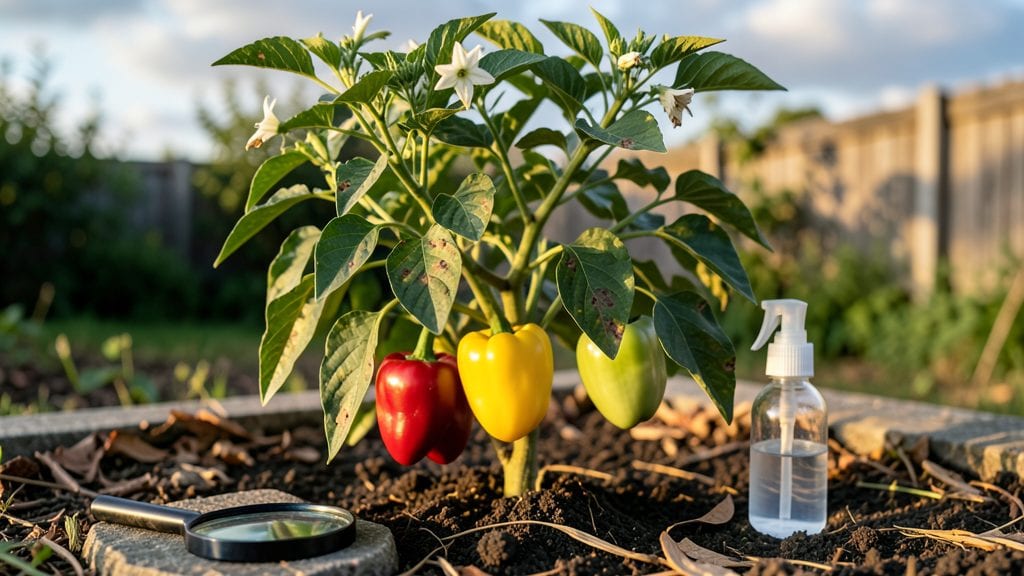
Pepper plant diseases can turn your thriving garden into a sad, spotted mess if you don’t catch them early. I’ve lost entire harvests to fungal spots and bacterial blights, but now I spot the warning signs before they spread—and that’s what this guide is for.
The key is knowing what to look for: yellowing leaves, strange spots, or plants that just refuse to grow. Most problems start with water, air flow, or old soil, and fixing them early keeps your peppers healthy and productive.
Here’s the thing—most pepper diseases thrive in damp, crowded conditions. Too much water on the leaves? Fungal spores love that. Not enough space between plants? Air can’t circulate, and bacteria move in like unwelcome guests.
I’ve seen leaf spots turn into full-blown infections in just two weeks if I didn’t thin my plants or adjust my watering. The good news? Simple fixes like watering at the base, spacing plants 18 inches apart, and rotating crops every few years can cut your risk by half.
Once you spot trouble, organic cures like neem oil, copper spray, or baking soda mixtures can save your plants without harsh chemicals.
I’ve had great luck with a 1-teaspoon baking soda per quart of water spray for early fungal signs—just mix it with a drop of dish soap to help it stick. For bacterial issues, removing infected leaves immediately stops the spread faster than any store-bought fungicide.
The goal is to keep your peppers growing strong until harvest, not to play whack-a-mole with symptoms.
This works for both backyard gardens and container growers—just scale the spacing and watering adjustments. The secret isn’t avoiding problems entirely (they’ll happen), but catching them before they ruin your season. Let’s get your peppers back on track before the next heatwave hits.
Root Causes Behind Plant Troubles
Pepper plants, like all living things, are vulnerable to diseases when their balance is disrupted. Understanding why these issues arise is the first step to prevention. Below, we break down the key factors that create the perfect storm for pepper plant diseases—from invisible invaders to environmental missteps.
Pepper plant diseases often start with microscopic enemies: fungi, bacteria, viruses, and nematodes. These pathogens thrive when conditions favor their growth, exploiting weak spots in your plants.
- Fungal Foes (🍄): Fungi like Phytophthora (root rot) or Alternaria (leaf spot) spread via spores, which hitch rides on wind, water, or contaminated tools. Overhead watering keeps leaves damp, creating a fungal buffet—moisture + organic debris = pathogen party.
- Bacterial Bullies (🧫): Bacteria such as Xanthomonas (bacterial spot) enter through wounds (e.g., pruning cuts) or natural openings like stomata. Warm, humid weather accelerates their spread, turning leaves into a bacterial breeding ground.
- Viral Vandals (🦠): Viruses like Tobacco Mosaic Virus (TMV) are often spread by infected tools, contaminated hands, or sap-sucking insects (e.g., aphids). Once inside, they hijack plant cells, stunting growth and distorting leaves.
- Nematode Nasties (🐛): Microscopic worms burrow into roots, feeding on cell contents and disrupting nutrient uptake. They thrive in compacted, poorly drained soil where roots struggle to breathe.
💡 Pro Tip: Rotate crops annually and disinfect tools with a 10% bleach solution (1 part bleach to 9 parts water) to starve out pathogens before they take hold.
Pepper plants are tropical at heart but can’t handle extreme conditions. When temperatures, humidity, or airflow swing out of balance, diseases move in like uninvited guests.
- Extreme Heat or Cold (❄️☀️):
- Heat stress weakens cell walls, making plants susceptible to fungal infections (e.g., Powdery Mildew).
- Cold snaps slow metabolism, reducing the plant’s ability to fend off pathogens like Verticillium wilt.
- Poor Air Circulation (🌀):
- Stagnant air traps moisture, creating ideal conditions for Botrytis blight (gray mold) or downy mildew. Crowded plants or dense foliage block airflow, turning leaves into damp, disease-friendly zones.
- Overwatering or Drought (💦🏜️):
- Waterlogged soil suffocates roots, inviting Phytophthora (root rot) and Pythium.
- Chronic drought stresses plants, making them more vulnerable to bacterial infections as their defenses weaken.
🌡️ Actionable Fix: Use a soil moisture meter to avoid guesswork—peppers prefer consistently moist (not soggy) soil. Mulch with straw to regulate temperature and retain even moisture.
Healthy soil = healthy plants. When nutrients are missing or toxic, peppers become easy targets for disease.
- Compacted or Poor-Draining Soil (🪨):
- Roots suffocate, leading to anaerobic conditions that encourage root rot. Clay-heavy soils are notorious for this.
- Nutrient Deficiencies (🍽️):
- Lack of phosphorus weakens root systems, making them prone to nematode attacks.
- Magnesium deficiency (yellowing between leaf veins) stresses plants, opening doors for fungal infections.
- Excessive Fertilizer (💥):
- Over-fertilizing, especially with high nitrogen, promotes lush foliage at the expense of root health. Weak roots = easier entry for soil-borne pathogens.
✨ Soil Test Solution: Conduct a DIY soil test (kits cost ~$20) or send a sample to a local extension office. Amend soil with compost or perlite to improve drainage and microbial balance.
Insects don’t just munch—they transmit diseases and create wounds that invite infections.
- Aphids, Whiteflies, and Thrips (🐛):
- These sap-suckers inject toxins while feeding, weakening plants and spreading viruses like TMV.
- Chewing Insects (🍃):
- Beetles or caterpillars create open wounds, giving bacteria (e.g., Erwinia) a direct entry point.
- Ants (🐜):
- Often "farm" aphids, protecting them from predators and accelerating disease spread.
🎯 Prevention Tip: Introduce beneficial insects like ladybugs or lacewings to control pests naturally. Use neem oil as a spray to deter soft-bodied insects without harming pollinators.
Diseases rarely strike out of nowhere—they exploit opportunities created by poor care. By addressing these root causes, you’ll build a resilient pepper garden that’s far less appealing to pathogens. Next up: Spot these early warning signs before they spiral out of control.
Fixing fungal foes and fading folks
Got spotting leaves, wilting stems, or mysterious rot? Don’t panic—pepper plants can bounce back with the right care! Below are practical, organic solutions tailored to common pepper plant diseases, plus prevention tips to keep your garden thriving. Think of this as your DIY disease-fighting toolkit.
Fungi love damp, crowded conditions, so act fast to stop the spread.
1.
Powdery Mildew (White Dusty Spots) 🔥 Cause: Fungal spores thrive in humid, low-airflow areas. 🍳 Fix It: - Remove infected leaves (wear gloves!) and toss them in the trash—not the compost. - Spray with a baking soda mix: Combine 1 tsp baking soda + 1 quart water + a few drops of dish soap (helps it stick).
Spray both sides of leaves every 5–7 days until symptoms fade. - Improve airflow: Prune overcrowded plants and space them 12–18 inches apart.
💡 Prevention Tip: Water plants early in the day so foliage dries quickly. Avoid overhead watering—use a drip irrigation system or water at the base.
2.
Early Blight (Brown Spots with Yellow Halos) 👨🍳 Cause: Alternaria solani fungus spreads via contaminated soil or splashing water. 🥘 Fix It: - Pull up and destroy infected plants (don’t compost them). - Apply copper fungicide: Use an organic copper spray (like Bonide Copper Fungicide) every 10–14 days until new growth appears. - Rotate crops: Don’t plant peppers, tomatoes, or potatoes in the same spot next year.
✨ Pro Tip: Interplant peppers with marigolds—they repel fungal spores naturally!
3.
Root Rot (Mushy Stems, Wilting Despite Water) 🔪 Cause: Overwatering or poor drainage drowns roots, inviting Phytophthora fungi. ⏰ Fix It: - Stop watering immediately and let the soil dry out for 3–5 days. - Repot the plant in fresh, well-draining soil (mix in perlite or sand). - Check your pots: Ensure they have drainage holes and avoid saucers that trap water.
🌡️ Prevention Tip: Stick your finger 1–2 inches into the soil before watering—if it’s damp, wait!
Bacteria spread like wildfire—sterilize tools and act fast!
4.
Bacterial Spot (Small Black Pocks with Watery Centers) 🔥 Cause: Xanthomonas bacteria spread via rain, tools, or contaminated seeds. 🍳 Fix It: - Prune infected leaves and sterilize pruners with 70% rubbing alcohol between cuts. - Use a hydrogen peroxide spray: Mix 1 tbsp 3% hydrogen peroxide per quart of water and spray every 7–10 days. - Remove mulch around infected plants to reduce soil splashing.
🎯 Prevention Tip: Rotate crops every 3 years and sterilize tools between plants.
5.
Bacterial Wilt (Sudden Wilting, Yellowing Leaves) 👨🍳 Cause: Ralstonia solanacearum clogs the plant’s water vessels—often fatal. 🥘 Fix It: - Dig up and destroy infected plants (do not compost). - Solarize the soil: Cover the bed with clear plastic for 4–6 weeks in summer to kill bacteria. - Plant resistant varieties like ‘Aristotle’ or ‘Carmen’ peppers next time.
💡 Prevention Tip: Avoid planting peppers where tomatoes or eggplants grew last season.
Pests weaken plants, making them susceptible to disease.
6.
Aphids & Spider Mites (Sticky Leaves, Webbing) 🔪 Cause: These sap-suckers stress plants, inviting fungal infections. ⏰ Fix It: - Blast them off with a strong spray of water (disrupts their life cycle). - Introduce beneficial insects: Ladybugs and lacewings love aphids—buy them online or attract them with dill or fennel plants. - Neem oil spray: Mix 1 tbsp neem oil + 1 tsp mild soap per quart of water.
Spray every 5–7 days.
🌡️ Prevention Tip: Reflective mulch (like aluminum foil) confuses pests—try it around young plants!
If your plant is weak but not dead, try these quick fixes:
- Fertilize lightly: Use a balanced organic fertilizer (like fish emulsion) to boost immunity.
- Boost humidity: Place a shallow tray of water with pebbles near the plant (evaporation increases moisture).
- Mulch: Add straw or grass clippings to retain moisture and regulate soil temp.
Remember: The key to beating pepper plant diseases is early action + prevention. Once you spot trouble, isolate the plant, sterilize tools, and treat aggressively. With these fixes, your peppers will be back to thriving in no time! 🌿🔥
Frequently asked questions
How do I tell if my pepper plant has a fungal disease vs. bacterial infection?
Fungal diseases often show up as powdery white coatings (like powdery mildew) or brown/yellow spots with fuzzy edges (early blight). Bacteria usually create water-soaked lesions that turn black or dark brown with yellow halos. Check leaf undersides too—fungi often start there. If spots ooze when wet, it’s bacterial.
Can I save a pepper plant with root rot, or should I remove it?
Early root rot might respond to immediate drying and repotting in fresh soil, but advanced cases are usually fatal. Look for mushy stems or roots that smell foul—if more than half the roots are rotted, remove the plant to prevent spread. Sterilize your pot with bleach before reuse.
What’s the fastest way to stop powdery mildew without chemicals?
Mix 1 teaspoon baking soda + 1 quart water + a drop of dish soap and spray both leaf sides every 5 days. The baking soda raises leaf pH, making it inhospitable for fungi. Pair this with pruning for airflow—remove crowded leaves immediately. Works in 7-10 days for mild cases.
Why do my pepper plants keep getting bacterial spot even after treatment?
Bacterial spot spreads via contaminated tools, water splashing, or infected seeds. Sterilize pruners with 70% rubbing alcohol between cuts, avoid overhead watering, and rotate crops every 3 years. If soil is infected, solarize it with clear plastic for 6 weeks to kill bacteria.
Are there pepper varieties resistant to common diseases?
Yes! Try 'Aristotle' (resistant to bacterial wilt), 'Carmen' (tolerates early blight), or 'Jupiter' (powdery mildew-resistant). Always check seed packets for disease resistance labels. Local nurseries can recommend varieties that thrive in your climate.