
Pruning
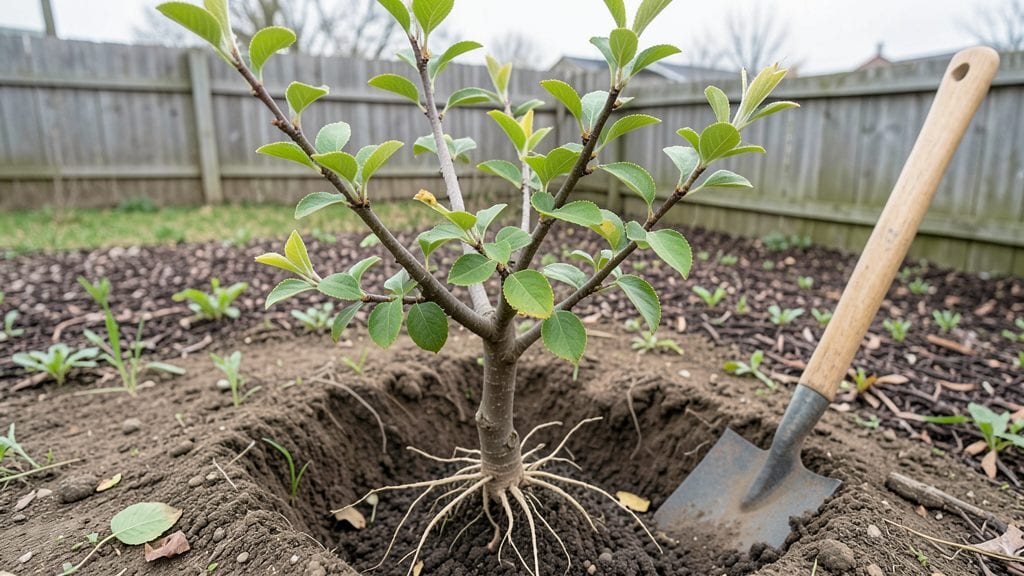
Here are some peach tree planting tips to ensure your tree thrives—pick the wrong spot or soil, and you’ll battle for fruit for years. ✨ I’ve buried three trees too deep, and the roots never recovered.
The secret is matching your tree’s needs to your climate: full sun, well-draining soil, and a location sheltered from harsh winds.
You’ll need a hole twice as wide as the root ball but only as deep—peach roots hate sitting in soggy soil. Amend heavy clay with compost or sand, and avoid planting in low spots where water pools.
Most trees thrive in zones 5-9, but timing matters too: early spring or fall gives roots time to settle before extreme heat or cold.
After planting, water deeply to remove air pockets, then mulch to keep roots cool. The first year is about establishing roots, not fruit—resist the urge to harvest. Within two years, you’ll see strong branches and the promise of those sweet, juicy peaches you’ve been dreaming of.
Common mistakes? Overwatering, planting too deep, or ignoring soil pH. Test your soil first—peaches prefer slightly acidic, fertile ground. Now grab your shovel and let’s get this tree off to the right start.
📚 In This Guide
- What you need
- Instructions
- Tips and common mistakes
- Wrapping up and next steps
What you need
- ● Peach Tree: Choose a dwarf, semi-dwarf, or standard variety (e.g., 'Elberta,' 'Redhaven,' or 'J.H. Hale') from a nursery. Opt for a 1- to 2-year-old bare-root or potted tree for best results.
- ● Shovel: A round-point or digging shovel (18–24" blade) for planting holes.
- ● Garden Gloves: Heavy-duty gloves to protect your hands from thorns and rough soil.
- ● Pruning Shears: Bypass pruners (sharp, 6–8" blades) for trimming roots or branches.
- ● Mulch: 3–4 inches of organic mulch (e.g., wood chips, straw, or pine bark) to retain moisture and suppress weeds.
- ● Soil Amendment: Compost or well-rotted manure (5–10 gallons) to enrich planting soil.
- ● Watering Can or Hose: With a gentle spray nozzle for post-planting hydration.
- ○ Staking Kit (Optional): 2–3 wooden stakes + tree ties if planting in windy areas (for trees over 6 feet).
- ○ Fertilizer (Optional): Balanced 10-10-10 or citrus-specific fertilizer (follow package rates).
- ○ Tree Guard (Optional): Plastic or metal tree wrap to protect young bark from pests.
- ● Sunlight: Confirm your planting spot gets 6–8+ hours of full sun daily—peaches are sun-worshippers! 🌞
- ● Soil Test: Check soil pH (ideal: 6.0–6.5) and nutrient levels via a local extension office or DIY kit.
- ● Spacing: Plan for 15–20 feet between trees (dwarf varieties can be closer to 10–12 feet).
- ● Frost-Free Zone: Plant in USDA Zones 5–9 (peaches hate frost—choose a sheltered spot!).
Step-by-Step guide for planting a thriving peach tree
Here's how I've planted healthy peach trees that produce fruit reliably—focus on the right spot and soil prep first.
🌱 Step 1: Choose the Perfect Planting Location
Peach trees need full sun, meaning at least 6-8 hours of direct sunlight daily. I always pick the sunniest spot in my yard because peaches won't ripen properly in shade. Avoid low areas where cold air settles—peaches are sensitive to late frosts.
Check the site for good airflow too. Trees planted in tight spaces get fungal diseases faster. If your yard has limited sun, choose a dwarf variety—they tolerate partial shade better than standard peach trees.
🪴 Step 2: Prepare the Planting Hole and Soil
Dig a hole twice as wide as the tree's root ball but only as deep. Peach trees hate being buried too deep, which can suffocate roots. Mix the native soil with 2-3 inches of compost to improve drainage and fertility.
Loosen the soil at the bottom of the hole with a shovel—this helps roots spread out instead of circling. Avoid amending with heavy clay or sand unless your soil test confirms you need it. Peaches prefer well-draining, slightly acidic soil with a pH of 6.0-6.5.
☀️ Step 3: Plant at the Right Depth and Water Thoroughly
Place the tree so the graft union (the swollen area near the base) sits 2-3 inches above soil level. This prevents the roots from rotting when water pools at the base. Backfill with the amended soil, tamping gently to remove air pockets.
Create a 4-inch high berm around the outer edge of the hole—this directs water toward the roots. Water immediately after planting until the soil is deeply moist (about 12 inches down). Mulch with 2-3 inches of organic mulch around the base, keeping it 6 inches away from the trunk.
🌿 Step 4: Stake and Prune for Healthy Growth
If your tree is tall or in a windy area, install a 4-5 foot stake and tie the trunk loosely with soft fabric. Peach trees grow fast, so avoid tight ties that can girdle the trunk as it thickens. Prune only to remove broken branches or those growing inward.
Never prune more than 25% of the canopy in the first year—this stresses young trees. Focus on shaping the tree into an open center so sunlight reaches all branches. You'll see better fruit production in future years if you start with good structure.
⏰ Step 5: Water and Fertilize for First-Year Success
Water deeply once a week during the first growing season, providing 1-2 gallons per tree. Young peach trees need consistent moisture, but avoid soggy soil—peaches are prone to root rot. Check soil moisture by sticking your finger 2 inches down; water when it feels dry.
Apply a balanced fertilizer (10-10-10) in early spring and again after harvest, following package rates. Over-fertilizing leads to excessive leaf growth at the expense of fruit. You'll know you're on track when the tree shows new growth by late spring and no signs of yellowing leaves.
Tips & tricks for perfect peach tree planting
Here's what I've learned after planting dozens of peach trees—these little details make all the difference between a struggling sapling and a thriving fruit producer.
Sunlight Strategy: The 6-8 hours of direct sunlight in Step 1 is non-negotiable for peaches. I've seen trees in partial shade produce tiny, tart fruit that never ripens properly. If your yard has limited sun, consider a dwarf variety—they tolerate 4-5 hours of sunlight better than standard trees. Trust me, the difference in fruit quality is night and day!
Soil Prep Secret: When mixing that 2-3 inches of compost in Step 2, don't just toss it in the hole. Work it thoroughly into the native soil at the bottom of the hole first—this is where the roots will spread. I've seen trees planted with compost only around the sides struggle because the roots can't access the nutrients properly. Think of it like building a root-friendly foundation.
Planting Depth Caution: That 2-3 inches above soil level for the graft union in Step 3 is critical. I once buried a tree too deep and it took three years before it showed any new growth. Use a marker or reference point while planting to ensure you maintain this height. You can always add more soil later, but you can't remove it without damaging the tree.
Watering Wisdom: For that once-a-week watering in Step 5, I recommend using a soaker hose placed at the tree's drip line rather than watering at the base. This encourages roots to spread outward where they can access more nutrients and moisture. And remember—deeply moist means you should be able to push your finger 2 inches down and feel dampness, not just the surface.
Pro Tips for Peach Tree Planting Tips
- Here's what I've learned after planting dozens of peach trees—these little details make all the difference between a struggling sapling and a thriving fruit producer.
- Sunlight Strategy: The 6-8 hours of direct sunlight in Step 1 is non-negotiable for peaches.
- Soil Prep Secret: When mixing that 2-3 inches of compost in Step 2, don't just toss it in the hole.
Frequently asked questions
Got questions about planting your peach tree? You’re not alone! Here are answers to the most common concerns to help you grow a thriving orchard.
What’s the best time of year to plant a peach tree?
The ideal window is late winter or early spring, before bud break (when the tree starts showing signs of new growth). This gives roots time to establish before summer heat. In warmer climates, fall planting (October-November) also works—just avoid frost-prone areas.
Can I plant a peach tree in winter?
While dormant trees can handle cooler temps, avoid planting during freezing spells or when the ground is frozen. If you must plant in winter, choose a mild day and mulch heavily to protect roots. Spring is still the safest bet for most regions.
How close should I plant my peach tree to other trees or structures?
Peach trees need space! Plant them 15–25 feet apart from other trees to prevent competition for nutrients and sunlight. Keep them at least 8–10 feet from fences or buildings to allow for proper growth and airflow, which reduces disease risk.
What pests or diseases should I watch for after planting?
Common threats include peach tree borers, aphids, and brown rot fungus. Monitor leaves for holes or wilting, and prune infected branches immediately. Use organic neem oil or insecticidal soap for pests, and ensure good airflow to deter fungal issues.
How much sunlight does a peach tree really need?
Peach trees are sun worshippers! They thrive in 6–8+ hours of direct sunlight daily. Partial shade (especially in hot climates) can reduce fruit production. If your yard has limited sun, consider dwarf varieties or container growing for smaller spaces.
Pro Tip:
Mulch around your tree with 3–4 inches of organic mulch (wood chips or straw) to retain moisture and regulate soil temperature. Just keep mulch 6 inches away from the trunk to prevent rot.
Wrapping up and next steps
Planting a peach tree is a rewarding journey that blends patience with the joy of nurturing life—and soon, you’ll be savoring the sweet fruits of your labor! 🌱 By choosing the right sunlight (6-8 hours daily), preparing well-draining soil, and spacing trees properly, you set the stage for a thriving orchard.
Remember, consistency in care (watering, pruning, and pest control) is key to turning saplings into productive trees.
Ready to get your hands dirty? Start by marking your planting spot this weekend—then dig in and watch your peach tree grow! For extra guidance, check out our seasonal care calendar to keep your tree happy year-round. 🍑✨