
Watering
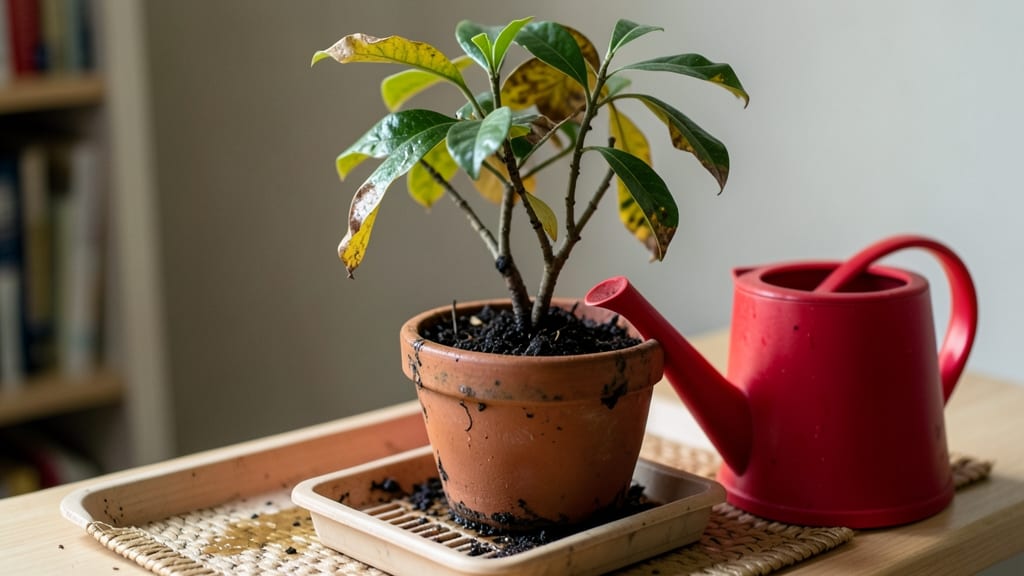
Overwatered avocado plants reveal themselves through sad, yellowing leaves that cling to stems like limp flags in a storm. 🌱 I’ve seen this heartbreaking scene too many times—especially after my first avocado tree’s roots suffocated under my well-intentioned but overzealous watering schedule.
The fix isn’t just cutting back water; it’s rewriting how your plant breathes.
Here’s the thing—avocados hate soggy feet. When roots sit in waterlogged soil for days, they start rotting, starving the plant of oxygen and nutrients. You’ll spot the damage in mushy stems, drooping leaves, or a musty soil smell when you poke the top inch.
The good news? Most overwatered plants bounce back with the right care—we’re talking drainage upgrades, soil adjustments, and a strict watering schedule that mimics their tropical but not swampy origins.
Within 2-3 weeks of proper care, you’ll see new growth pushing through—dark green, glossy leaves that signal your tree’s back in balance. The key is patience: let the soil dry 2-3 inches deep between waterings, and watch as your avocado recovers its vigor.
Trust me, your plant will thank you with stronger roots and healthier fruit next season.
This works for both potted avocados and those growing in-ground, though containers need extra drainage attention. If your tree’s in a pot, consider upgrading to one with drainage holes and a well-draining mix—like cactus soil blended with perlite.
The goal? A happy medium where water flows through, not pools around, the roots.
Root Causes Of Overwatering
When your avocado plant starts looking sad with droopy leaves or yellowing foliage, it’s often a cry for help—not just from thirst, but from too much water. Overwatering disrupts the plant’s delicate balance, choking its roots and starving its leaves of the nutrients they need.
Let’s break down the science behind why this happens, so you can fix the problem at its source.
Avocado plants (Persea americana) are tropical natives, but their roots hate soggy conditions. When planted in containers or soil without proper drainage, water pools around the roots instead of draining away. This creates an anaerobic (oxygen-deprived) environment, where:
- Root suffocation: Roots need oxygen to respire and absorb water/nutrients. Without it, they drown, leading to rot (often Phytophthora or Pythium fungi).
- Nutrient lockout: Excess water washes away essential minerals like nitrogen, phosphorus, and potassium, which leaves turn yellow (chlorosis) to signal.
- Salt buildup: Tap water often contains minerals (chlorides, fluorides) that accumulate in saturated soil, further stressing roots.
💡 Pro Tip: Test your soil’s drainage by filling a pot with water—if it drains in more than 30 minutes, your mix is too dense. Add perlite, pumice, or orchid bark (20–30%) to improve airflow.
Avocados are drought-tolerant once established, but many gardeners fall into the trap of watering on a schedule rather than checking soil moisture. Common mistakes include:
- Ignoring the "finger test": Stick your finger 1–2 inches into the soil. If it’s damp, wait. If dry, water deeply until it runs out the drainage holes.
- Misting instead of deep watering: Light misting keeps the topsoil wet but leaves roots thirsty for moisture deeper down.
- Using small pots: Tiny containers dry out fast, tricking you into overwatering. Upgrade to a pot at least 12 inches wide for mature plants.
🌡️ Science Note: Avocado roots thrive in 60–70% moisture but cannot tolerate saturation. Overwatering triggers ethylene gas production, a stress hormone that accelerates leaf yellowing.
Avocados are sensitive to cold and humidity swings, which indirectly cause overwatering issues:
- Cold roots slow evaporation: In temperatures below 60°F (15°C), soil stays damp longer, increasing rot risk. Solution: Move potted plants indoors or use a heat mat.
- High humidity + poor airflow: Damp air + stagnant water = fungal infections (like root rot). Ensure your plant’s environment has circulation (e.g., a small fan).
- Seasonal overcompensation: Winter watering often drops, but spring’s warmth tricks growers into doubling water—without checking soil needs.
✨ Expert Hack: Place a hygrometer near your plant. Ideal humidity for avocados: 40–60%. Below 30%? Increase moisture gently with a pebble tray.
Now that you know the why, the next step is fixing it—without losing your plant. Stay tuned for science-backed rescue strategies!
Revive Your Avocado Plant Now
If your avocado plant is suffering from overwatering, don’t panic—it’s often reversible with the right care! The key is to act quickly, adjust your watering habits, and give your plant the conditions it truly needs to thrive.
Below, we’ll break down the most common signs of overwatering and the step-by-step fixes to nurse your avocado back to health. Plus, we’ll share prevention tips to keep this from happening again.
If your avocado’s leaves are turning yellow or brown (especially at the bottom) and the soil smells sour or moldy, root rot is likely the culprit. This fungal infection thrives in soggy, oxygen-deprived soil, and it can spread fast. Here’s how to tackle it:
🔥 Step 1: Stop Watering Immediately
- Why it works: Overwatering is the root cause (pun intended!). Let the soil dry out completely before watering again.
- How to do it: Pause all watering for 3–5 days to allow excess moisture to evaporate.
If the soil is still damp after a week, wait longer.
🍳 Step 2: Check the Roots (Gently!)
- Why it works: Healthy roots should be firm and white or light tan. Dark, mushy, or smelly roots need urgent care.
- How to do it: 1. Carefully remove the plant from its pot and shake off excess soil.
- Inspect the roots—if more than 30% look rotten, you’ll need to trim them.
- Use sterilized scissors or pruning shears to cut away any black, mushy, or foul-smelling roots.
- Rinse the remaining roots with room-temperature water to remove debris.
👨🍳 Step 3: Repot in Fresh, Well-Draining Soil
- Why it works: Old, compacted, or waterlogged soil won’t help recovery.
A fresh mix with better drainage gives roots a fighting chance. - How to do it: - Choose a terracotta or ceramic pot (if possible)—these materials wick away moisture better than plastic. - Use a well-draining potting mix designed for citrus or avocado plants (or amend regular soil with perlite, sand, or orchid bark for better aeration). - Pro tip: Add a 1-inch layer of gravel or pebbles at the bottom of the pot to improve drainage.
🥘 Step 4: Adjust Your Watering Routine
- Why it works: Avocados hate “wet feet.”
They prefer soil that dries out between waterings. - How to do it: - Water only when the top 1–2 inches of soil are dry (stick your finger in to check!). - Water deeply but infrequently—aim for once every 7–10 days (adjust based on humidity and temperature). - Avoid letting water pool in the saucer under the pot.
Empty it after 10–15 minutes.
⏰ Step 5: Boost Recovery with Humidity & Light
- Why it works: A stressed plant needs extra support to bounce back.
- How to do it:
- Move your avocado to a bright, indirect light spot (no harsh sun yet—it’s still recovering).
- Increase humidity by misting leaves lightly 2–3 times a week or placing the pot on a pebble tray with water.
- Fertilizer break: Wait 4–6 weeks before fertilizing again to avoid shocking the roots.
If your avocado’s leaves are drooping but the soil is dry or only slightly moist, the problem might be overwatering in the past combined with poor drainage. Here’s how to revive it without root rot:
💡 Step 1: Let the Soil Dry Out Completely
- Why it works: Even if the roots aren’t rotting, they may be struggling from inconsistent moisture.
- How to do it:
- Skip watering for 5–7 days to let the soil dry evenly.
- If the pot is heavy, it’s likely still too wet—wait longer.
🎯 Step 2: Improve Drainage (Permanent Fix!)
- Why it works: Most overwatering issues stem from pots without drainage holes or soil that retains too much moisture.
- How to do it:
- Drill drainage holes in the pot if it doesn’t have them (use a heavy-duty drill bit for ceramic/terracotta).
- Repot if needed into a mix with 30% perlite or coarse sand to improve aeration.
- Pro tip: Elevate the pot on feet or a tray to prevent water from sitting at the bottom.
✨ Step 3: Water Only When Necessary
- Why it works: Avocados are drought-tolerant once established—they’d rather be underwatered than overwatered.
- How to do it:
- Water every 10–14 days in warm weather, every 3–4 weeks in winter.
- Soak the soil until water runs out the drainage holes, then wait until the top 2 inches are dry before watering again.
📊 Step 4: Monitor & Adjust
- Why it works: Overwatering often happens because we assume plants need more water than they do.
- How to do it:
- Track your watering schedule in a notebook or phone reminder.
- Watch the leaves: If they yellow again, you’re likely overdoing it.
If they crisp at the edges, it’s underwatering.
Once your avocado is back on track, follow these easy habits to prevent overwatering for good:
- ✅ Use the “Finger Test”: Always check soil moisture before watering—stick your finger 1–2 inches deep. If it’s damp, wait. - ✅ Choose the Right Pot: Terracotta or fabric pots dry out faster than plastic.
If repotting isn’t an option, water less frequently. - ✅ Improve Soil Mix: Amend store-bought soil with perlite, orchid bark, or coconut coir to boost drainage. - ✅ Water at the Base: Avoid wetting leaves (especially in humid climates) to reduce fungal risks. - ✅ Adjust for Seasons: Avocados need less water in winter when growth slows.
Cut back in cooler months. - ✅ Consider a Moisture Meter: A $10 soil moisture meter takes the guesswork out of watering.
With these fixes, your avocado should start showing signs of recovery in 2–4 weeks—new green leaves, firmer stems, and a healthier overall appearance. Remember, avocados are resilient, and prevention is the best cure. Soon, you’ll have a thriving plant that rewards you with lush foliage (and maybe even fruit!).
Frequently asked questions
Why do my avocado plant's leaves turn yellow when I water it regularly?
Yellow leaves are a classic sign of overwatering because soggy roots can't absorb oxygen or nutrients. The excess moisture also washes away essential minerals, causing the plant to "starve" even when surrounded by water. Check if the soil stays damp for more than 2-3 days—this is a red flag.
How can I tell if my avocado plant has root rot from overwatering?
Root rot shows up as black, mushy roots that smell foul when disturbed. Gently remove your plant from its pot and inspect the roots—if more than 30% look diseased, you're dealing with root rot. The soil may also have a sour or moldy odor, which is another warning sign.
Can I save an avocado plant with completely mushy stems?
It's possible but requires immediate action. First, trim away all rotted stems with sterilized scissors, leaving only healthy green tissue. Then repot in fresh, well-draining soil and reduce watering to every 10-14 days. Place the plant in bright, indirect light and avoid fertilizing for at least 4 weeks.
What's the best soil mix to prevent overwatering in avocado plants?
Use a blend of 60% potting soil, 20% perlite, and 20% coarse sand or orchid bark. This mix improves drainage while retaining enough moisture for roots. For container plants, always use pots with drainage holes and consider adding a 1-inch layer of gravel at the bottom.
How often should I water my avocado plant in winter?
In winter, reduce watering to every 3-4 weeks since growth slows dramatically. Check soil moisture by sticking your finger 2 inches deep—water only when completely dry. Cold temperatures slow evaporation, so the soil stays damp longer than in summer.