
Diseases
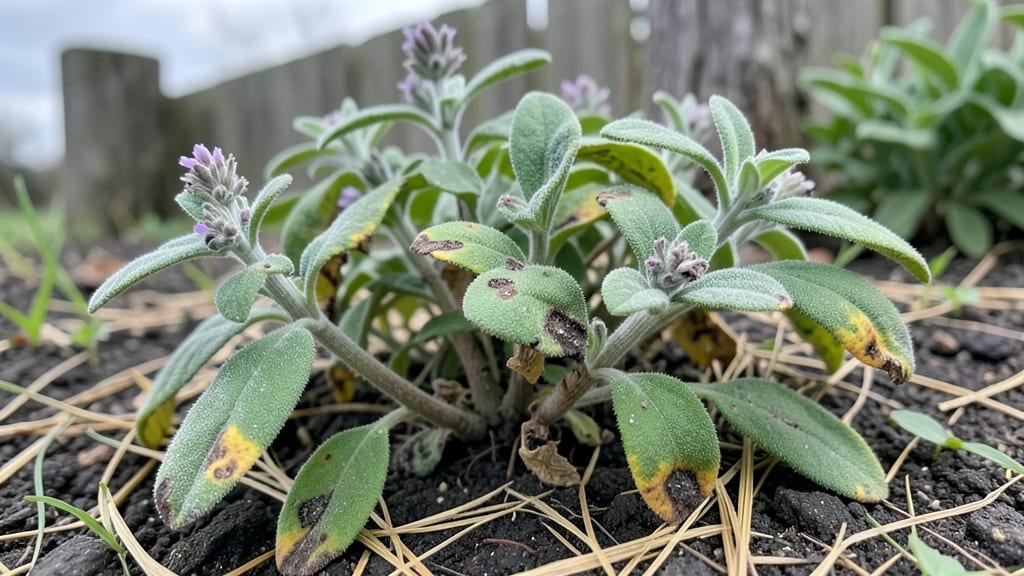
Oregano plant diseases can turn your fragrant herb garden into a sad, spotted mess if you don’t catch them early. 🌿 I’ve seen powdery mildew turn my once-vibrant oregano into a ghostly white ghost, and bacterial leaf spot leave behind unsightly brown splotches that ruin the leaves.
The good news? Most of these issues are preventable with the right care.
These fungal foes thrive in damp, crowded conditions, so proper spacing and watering make all the difference. Oregano needs good airflow—think 12 inches between plants—and water only at the base, never overhead.
I’ve found that morning watering gives leaves time to dry, cutting down on mildew risks. A quick inspection every few days keeps problems from sneaking up.
When you spot trouble, act fast. Neem oil or a baking soda spray (1 teaspoon per quart of water) can stop powdery mildew in its tracks, while pruning affected leaves improves airflow.
For bacterial spots, remove infected plants immediately to prevent spread. With these tricks, your oregano stays lush, fragrant, and disease-free all season.
This works for both potted and in-ground oregano, whether you’re growing it for cooking or just love its piney scent. A little vigilance now means more harvests later—no more sad, wilted plants taking over your garden. Let’s get your oregano thriving again!
Root Causes Of Oregano Illness
When your fragrant oregano plants start looking sad—yellowing leaves, stunted growth, or mysterious spots—it’s often a sign that unseen enemies are at work. Understanding why these diseases strike is the first step to stopping them.
Below, we break down the most common culprits behind oregano plant struggles, explained in clear, actionable science.
Oregano thrives in well-draining soil and hates soggy feet. When excess moisture lingers around roots or foliage, it creates the perfect breeding ground for fungal pathogens like Phytophthora or Pythium. These water-loving fungi thrive in compacted or clay-heavy soil, where air can’t circulate, leading to:
- Root rot: Roots suffocate, turn mushy, and die back, starving the plant of nutrients.
- Leaf spots: Dark, water-soaked patches appear on leaves, often starting at the base.
- Stunted growth: The plant struggles to absorb water, wilting even when soil feels damp.
Why it happens: Overwatering (especially without checking soil moisture) or planting in low-lying areas where water pools after rain. Oregano’s Mediterranean roots evolved for drought tolerance, not soggy conditions.
Fungal diseases like powdery mildew (Erysiphe spp.) or rust (Puccinia spp.) spread via microscopic spores floating in humid air. These spores land on leaves, germinate, and feast on oregano’s soft tissue, creating:
- White, powdery coatings (powdery mildew) that look like flour dust.
- Orange-brown pustules (rust) that rupture leaf surfaces.
- Yellowing or curling leaves as the plant diverts energy to fight infection.
Why it happens: High humidity (above 75%) + warm temperatures (60–80°F) create ideal conditions for spores to germinate. Crowded plants or poor airflow trap spores near foliage, accelerating outbreaks.
While less common than fungi, bacterial diseases like Xanthomonas (leaf blight) or Pseudomonas (soft rot) can devastate oregano if given the chance. These bacteria enter through:
- Physical wounds: Pruning cuts, hail damage, or insect bites.
- Contaminated tools: Clippers or hands carrying bacteria from other plants.
- Splashing water: Rain or overhead irrigation splashing bacteria onto leaves.
Why it happens: Bacteria thrive in warm, wet conditions and multiply rapidly in open wounds. Unlike fungi, they don’t need soil—they spread via contact, water, or even wind.
Oregano weakened by poor nutrition or environmental stress becomes an easy target for diseases. Common triggers include:
- Nitrogen deficiency: Pale, yellowing leaves (chlorosis) weaken the plant’s immune response.
- Potassium deficiency: Brown leaf edges or weak stems reduce disease resistance.
- Extreme heat or cold: Shocked plants can’t fight off pathogens as effectively.
- Competition for resources: Overcrowded plants stress each other, creating entry points for disease.
Why it happens: Oregano prefers well-balanced, slightly alkaline soil (pH 6.0–8.0). Poor soil health or sudden climate shifts (like late frosts) disrupt its natural defenses, making it vulnerable to opportunistic pathogens.
Pro Tip: 💡 Most oregano diseases start with one or more of these factors. The key to prevention? Drainage + airflow + hygiene. Next, we’ll cover how to diagnose these issues in your garden before they spiral.
Quick Fixes For Oregano’s Fungal Foes
When your oregano plant starts showing signs of disease, acting fast is key to saving your herb garden. Below, we’ve mapped out practical solutions for the most common fungal issues, along with prevention tips to keep your plants thriving.
Follow these steps to restore your oregano’s health—and keep it from spreading to other plants.
Cause: Overwatering or poor soil drainage leads to soggy roots, inviting Phytophthora or Pythium fungi.
How to Fix It:
- 🔥 Step 1: Stop Watering Immediately Let the soil dry out completely before watering again. Stick your finger 1–2 inches deep—if it’s damp, wait.
- 🍳 Step 2: Improve Drainage Mix in perlite, coarse sand, or compost (20–30%) to loosen heavy soil. Elevate pots with feet or bricks to prevent water pooling.
- 👨🍳 Step 3: Apply Fungicide Spray with a copper-based fungicide (like Bordeaux mixture) or a hydrogen peroxide solution (1 tbsp per quart of water). Reapply every 7–10 days until symptoms fade.
- ⏰ Step 4: Prune Damaged Roots (If Severe) Gently remove the plant, trim black, mushy roots with sterilized scissors, and replant in fresh, well-draining soil.
💡 Prevention Tips: ✔ Water at the base (avoid wetting leaves). ✔ Use pots with drainage holes—never skip this! ✔ Space plants for airflow (3–6 inches apart).
Cause: High humidity + poor airflow = white, powdery fungus on leaves (Erysiphe spp.).
How to Fix It:
- 🔥 Step 1: Isolate the Plant Move it to a shadier spot (direct sun can dry out the fungus) and increase airflow with a small fan (if indoors).
- 🍳 Step 2: Spray Baking Soda Mix Combine 1 tsp baking soda + 1 tbsp horticultural oil + 1 tsp soap in a gallon of water. Spray every 7–10 days until cleared.
- 👨🍳 Step 3: Neem Oil Treatment (For Stubborn Cases) Mix 1 tsp neem oil + 1 tsp mild soap in a quart of water. Spray at dusk (avoids burning leaves) and repeat every 5–7 days.
- 🔪 Step 4: Prune Infected Leaves Snip off heavily mildewed leaves with clean scissors and sterilize tools with rubbing alcohol between cuts.
💡 Prevention Tips: ✔ Water in the morning so leaves dry quickly. ✔ Space plants to reduce humidity buildup. ✔ Rotate plants occasionally for even airflow.
Cause: Alternaria solani thrives in wet, warm conditions, causing brown spots with yellow halos on leaves.
How to Fix It:
- 🔥 Step 1: Remove Infected Leaves Pick off spotted leaves and dispose of them in the trash (not compost!). Wear gloves—fungus spreads easily.
- 🍳 Step 2: Apply Copper Fungicide Use a fixed copper fungicide (like Copper Soap) and spray every 7–14 days until new growth appears.
- 👨🍳 Step 3: Boost Plant Health Feed with a balanced fertilizer (10-10-10) to strengthen defenses. Avoid nitrogen-heavy fertilizers—they weaken plants.
- ⏰ Step 4: Adjust Watering Water early in the day and at the soil level (never overhead).
💡 Prevention Tips: ✔ Rotate crops—don’t plant oregano in the same spot yearly. ✔ Mulch with straw to reduce soil splashing onto leaves. ✔ Choose resistant varieties (e.g., ‘Greek Oregano’ is slightly more tolerant).
Cause: Puccinia fungi cause orange pustules on undersides of leaves, weakening the plant.
How to Fix It:
- 🔥 Step 1: Prune Rusty Leaves Snip off all infected leaves and sterilize tools between cuts. Do not compost—burn or trash them.
- 🍳 Step 2: Apply Sulfur or Fungicide Dust plants with elemental sulfur (follow package rates) or spray with a fungicide containing chlorothalonil.
- 👨🍳 Step 3: Improve Air Circulation Thin out overcrowded plants and avoid overhead watering.
- 🔪 Step 4: Quarantine the Plant Keep it separate from healthy oregano until fully recovered (or replace if severe).
💡 Prevention Tips: ✔ Avoid overhead irrigation—use drip systems instead. ✔ Clean garden tools regularly with rubbing alcohol. ✔ Rotate planting locations every 2–3 years.
- 🌱 Strengthen Your Oregano: Feed with compost tea or a seaweed-based fertilizer to boost immunity.
- 🌡️ Monitor Humidity: Use a hygrometer to keep levels below 60%—fungi love dampness!
- 🔄 Replace Severely Infected Plants: If 50%+ of the plant is diseased, it’s often easier to pull and replant from a healthy cutting.
- 🎯 Sterilize Everything: Wash pots with 10% bleach solution, then rinse thoroughly before reuse.
Final Note: Most fungal diseases are preventable with proper care. Once you’ve treated your oregano, keep an eye out for recurrence—consistent prevention saves time (and plants!) in the long run. 🌿
Frequently asked questions
What are the first signs my oregano has a fungal infection?
Watch for white powdery coatings (mildew), dark brown spots with yellow edges (leaf spot), or orange pustules on leaf undersides (rust). Early symptoms include yellowing leaves, stunted growth, or a fuzzy texture—these mean it’s time to act fast before the disease spreads.
Can I save my oregano if it’s already heavily infected?
For mild cases, prune infected leaves, improve airflow, and apply fungicide (like neem oil or copper spray). If 50%+ of the plant is diseased, it’s often better to remove and replant from a healthy cutting. Sterilize tools and containers to prevent reinfection.
Will overwatering kill my oregano plant?
Yes, soggy soil invites root rot and fungal diseases. Oregano thrives on drought—water only when the top 1–2 inches of soil are dry. Use pots with drainage holes and avoid wetting leaves to prevent fungal spores from taking hold.
How do I prevent diseases in my potted oregano?
Space plants 3–6 inches apart, water at the base (never overhead), and ensure pots have drainage. Rotate pots occasionally for even airflow, and sterilize tools between cuts. A baking soda spray (1 tsp per quart of water) monthly can deter mildew.
Is there a natural remedy for bacterial leaf spot?
Remove infected leaves immediately and avoid overhead watering. A hydrogen peroxide solution (1 tbsp per quart of water) can help, but bacterial infections often require copper fungicide. For severe cases, replace the plant to stop spread—bacteria don’t respond to organic sprays alone.