Diseases
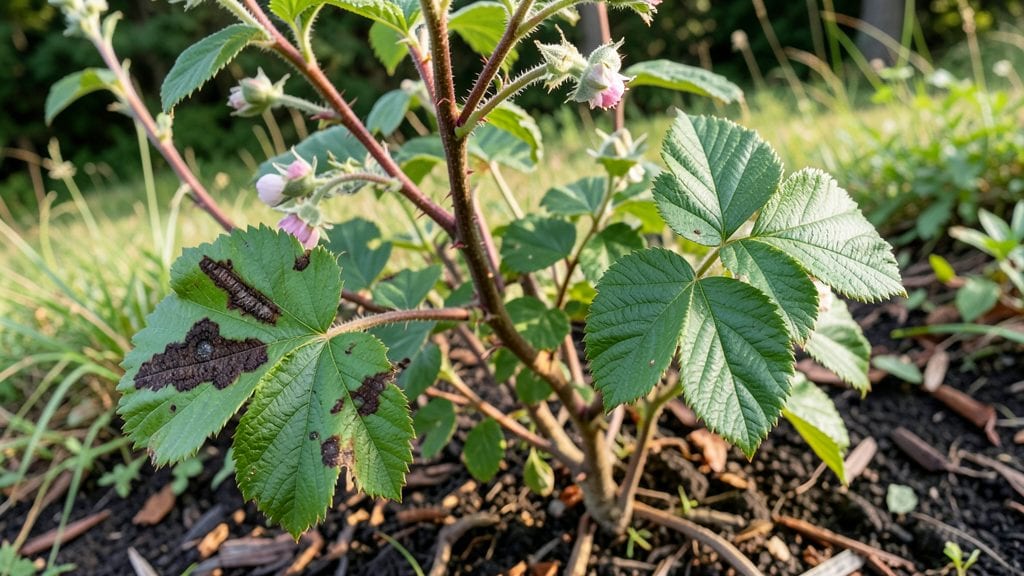
Blackberry plant diseases can turn your thriving brambles into a sad, spotted mess if you don’t catch them early. 🌿 I’ve lost entire canes to fungal infections, but now I know the telltale signs—yellowing leaves, blackened canes, and that sickly mold smell—and how to stop them before they ruin your harvest.
Most problems start with wet foliage or crowded plants, giving fungi like anthracnose and botrytis the perfect chance to take hold. The good news? Pruning for airflow, removing infected debris, and spraying copper fungicide at the first sign can save your bushes.
Even beginners can master these simple steps without harsh chemicals.
By acting fast, you’ll keep your blackberries producing sweet, juicy berries for years. The key is checking plants weekly during rainy seasons and cleaning tools between cuts. Trust me, a little prevention now means fewer headaches—and more berries—later.
Works for all blackberry varieties, from thornless to wild types. Let’s get those canes healthy again!
Root Causes Of Blackberry Ailments
Blackberry plants, like all living organisms, are susceptible to diseases when their natural defenses weaken or environmental conditions shift in their favor. Understanding why these issues arise helps you take proactive steps to protect your berries.
Below, we break down the key culprits behind blackberry plant diseases—from microscopic invaders to overlooked growing habits.
Fungal diseases like anthracnose and botrytis blight thrive in damp, humid conditions because fungi rely on moisture to spread their spores. Here’s why it happens:
- Poor Air Circulation 🌬️ Dense foliage or overcrowded plants trap moisture near leaves and canes, creating a fungal paradise. Fungi release spores that latch onto wet surfaces, germinating and infecting the plant.
- Excessive Rain or Overwatering 💦 Blackberries need consistent moisture, but too much water—especially on leaves—encourages fungal growth. Waterlogged soil also weakens roots, making plants more vulnerable to infections like root rot.
- High Humidity at Night 🌙 Many fungal spores activate in cool, humid evenings. If your garden doesn’t dry out overnight, spores can infect plants before you even notice.
Actionable Fix: Space plants for airflow, water at the base (not overhead), and avoid late-day watering to let foliage dry.
Blackberries with nutrient deficiencies or physical stress are easy targets for diseases. Here’s how it breaks down:
- Lack of Essential Nutrients 🌱 Deficiencies in potassium, phosphorus, or nitrogen weaken cell walls, making plants more susceptible to infections. For example, potassium deficiency reduces disease resistance, while nitrogen boosts lush growth—but too much can lead to soft, disease-prone tissue.
- Environmental Stress ❄️☀️ Extreme heat, cold snaps, or drought shock can damage plant tissues, creating entry points for pathogens. Even sunburn (from sudden heat) weakens canes, inviting infections like cane blight.
- Poor Soil Health 🌍 Compacted or acidic soil (pH < 5.5) hampers root function, reducing the plant’s ability to fend off diseases. Beneficial microbes in healthy soil act as a natural defense, but imbalanced soil leaves gaps in protection.
Actionable Fix: Test soil annually, amend with compost, and use balanced fertilizers (like 10-10-10) to strengthen immunity.
Some diseases don’t act alone—they hitch a ride on insects or mammals. Here’s how pests pave the way:
- Thrips and Aphids 🐜 These sap-sucking insects damage leaves, creating wounds where fungi (like powdery mildew) can take hold. Their honeydew also attracts sooty mold, further stressing the plant.
- Birds and Rodents 🦉🐭 Chewed canes or scratched bark expose inner tissues to bacterial infections (e.g., Pseudomonas). Even well-meaning garden visitors can spread spores on their feathers or paws.
- Human Tools and Hands 👨🌾 Pruners, gloves, or even shoes can carry fungal spores from infected plants to healthy ones. Cross-contamination during harvesting or pruning is a common (but preventable) issue.
Actionable Fix: Use neem oil for pests, sterilize tools with rubbing alcohol, and inspect new plants for hitchhiking diseases.
Diseases don’t strike randomly—they follow weather patterns and plant life cycles. Here’s when risks peak:
- Spring Emergence 🌱 Cool, wet springs (common in many blackberry-growing regions) trigger leaf spot diseases like Elsinoe veneta. Young canes are especially vulnerable as they push through the soil.
- Summer Heatwaves 🔥 Sudden heat + high humidity = botrytis blight and fruit rot. Overripe berries split, inviting fungal invasion.
- Fall Cleanup Neglect 🍂 Leaving infected leaves or canes in the garden over winter preserves fungal spores, ensuring next year’s outbreak. Some pathogens (like armillaria root rot) even survive underground.
Actionable Fix: Prune and remove debris in late fall, and mulch properly to regulate soil temperature and moisture.
Not all blackberries are created equal—some cultivars are genetically predisposed to certain diseases.
For example: - Thornless varieties (like ‘Chester’) often have weaker canes, making them prone to cane blight. - Primocane-bearing types (e.g., ‘Natchez’) produce fruit on new growth, which is more susceptible to anthracnose if humidity is high.
Actionable Fix: Choose disease-resistant cultivars (e.g., ‘Arapaho’ for anthracnose resistance) and rotate planting locations every few years to break disease cycles.
💡 Pro Tip: Keep a garden journal to track when diseases appear—this helps you adjust care routines before the next outbreak!
Quick Fixes for Common Blackberry Ailments
Blackberry plants, like any other, can fall prey to diseases that sap their strength—but don’t worry! With the right approach, you can revive your berries and keep them thriving. Below, we’ve mapped out practical solutions for the most common blackberry diseases, along with prevention tips to stop future outbreaks.
Think of this as your blackberry plant first-aid kit—ready for action!
Fungal diseases thrive in damp, crowded conditions, but you can starve them out with these steps:
🔥 Prune & Improve Airflow
Fungi love hiding in dense foliage. Thin out canes to allow sunlight and air to circulate—this dries leaves faster and reduces humidity.
- How to do it: Remove any yellowing, spotted, or dead leaves using sterilized pruners (wipe with rubbing alcohol between cuts).
- Pro tip: 💡 Prune in the morning when leaves are dry to avoid spreading spores.
🍳 Fungicide Sprays (Natural & Store-Bought)
For stubborn infections, copper-based fungicides (like Bordeaux mixture) or neem oil work wonders.
For organic growers, try: - Baking soda spray: Mix 1 tsp baking soda + 1 tbsp oil + 1 gallon water + a drop of dish soap (spray every 7–10 days). - Store-bought options: Fung-onil or Serenade Garden (contains beneficial bacteria).
🌡️ Adjust Watering & Soil Fungi love wet leaves.
Water at the base of the plant (not overhead) and avoid late-day watering (leaves stay damp overnight = fungal buffet). - Fix: Use drip irrigation or soaker hoses to keep foliage dry. - Prevent: Raise beds slightly for better drainage or add compost to improve soil aeration.
These diseases often hitch a ride on insects like thrips or mites. Here’s how to kick them out:
👨🍳 Remove Infested Canes Immediately
If you spot dark sunken spots (anthracnose) or blackened canes (cane blight), cut them back at least 6 inches below the damage.
- How to do it: Use sterilized shears and dispose of infected material (don’t compost—burn or trash it!).
- Pro tip: ✨ Disinfect tools between cuts to prevent spreading spores.
🔪 Introduce Beneficial Insects
Ladybugs and lacewings eat pests that carry disease. Plant companion flowers like marigolds or dill to attract them.
- Quick fix: Buy beneficial nematodes (like Steinernema feltiae) to target soil-dwelling pests.
⏰ Rotate Planting Locations
If your blackberries are in the same spot year after year, soil-borne diseases (like root rot) can build up.
- Fix: Move plants every 3–4 years to a new, sunny spot with fresh soil.
The best cure? Stopping problems before they start! Follow these easy habits to bulletproof your blackberries:
| Problem | Prevention Tip | When to Do It |
|---|---|---|
| Powdery Mildew | Space plants 3–4 feet apart for airflow | Spring (before growth spurt) |
| Botrytis Blight | Remove fallen berries (they spread spores) | Weekly in harvest season |
| Root Rot | Amend soil with perlite/sand for drainage | Before planting or spring |
| Bacterial Canker | Sterilize tools & avoid wounding canes | Always (especially after pruning) |
- 🌿 Mulch properly: Use straw or wood chips (not thick layers—keep 2–3 inches).
- 💦 Water deeply but less often—blackberries hate soggy roots!
- 🌞 Give them sun: At least 6–8 hours daily to dry leaves faster.
- 🔄 Test your soil: pH 5.5–6.5 is ideal—adjust with sulfur (to lower pH) or lime (to raise it).
With these targeted fixes, your blackberry bushes should bounce back stronger—and next season, you’ll be one step ahead of those sneaky diseases. Happy growing! 🍇✨
Frequently asked questions about blackberry plant health
What are the most common signs my blackberry bushes are sick?
Watch for yellowing leaves, black or brown spots on canes, and powdery white coatings (mildew). Look for wilting or stunted growth—these often signal fungal infections like anthracnose or root rot. Check berries too: Mushy, discolored fruit usually means botrytis blight.
Can I save a blackberry plant already showing disease symptoms?
Yes, but act fast! Prune infected canes immediately (cut 6 inches below damage) and dispose of them. Apply a copper fungicide or baking soda spray (1 tsp baking soda + 1 tbsp oil + 1 gallon water) to stop spread. For severe cases, consider removing the entire plant if root rot is suspected.
How often should I check my blackberry plants for diseases?
Inspect your bushes weekly during growing season (spring-fall), focusing on new growth and leaves. After heavy rain or humidity spikes, check daily—fungi spread fastest in wet conditions. Use a magnifying glass to spot early signs like tiny yellow spots or fuzzy white patches.
Are there disease-resistant blackberry varieties I should consider?
Look for ‘Arapaho’ (anthracnose-resistant) or ‘Natchez’ (disease-tolerant). Thornless varieties like ‘Chester’ are popular but may need extra care—choose ‘Prime-Ark Freedom’ for better disease resistance. Always check seed packets or plant tags for disease resistance ratings.
What’s the best way to sterilize my pruning tools to prevent disease spread?
Wipe blades with rubbing alcohol (70%+) or bleach solution (1 part bleach to 9 parts water) between cuts. For thorough cleaning, boil tools for 10 minutes. Store tools in a dry place and avoid sharing them between infected and healthy plants.