
Pruning
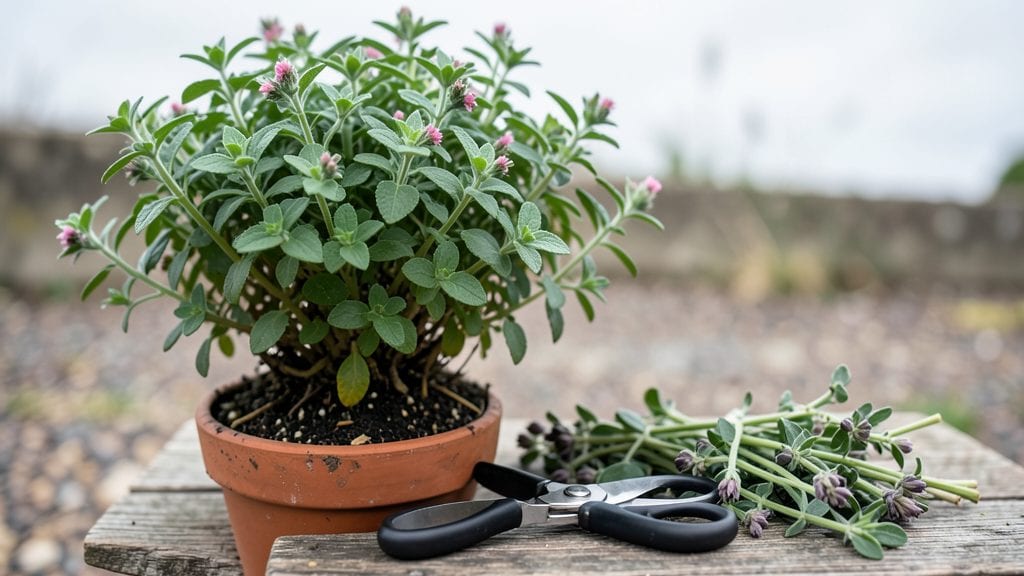
Trimming oregano plants the right way means bushier growth and fresh herbs all year. 🌿 I used to let my oregano get leggy and woody, but after learning a few simple pruning tricks, I now harvest fragrant stems year-round—even in winter.
The key is timing and technique, not just hacking away at the top.
You’ll need sharp pruning shears, a sunny spot, and just 10-15 minutes every few months. Prune right after flowering in late summer or early fall, or during active growth in spring.
Never cut more than ⅓ of the plant at once, or you’ll shock it into dormancy. A little regular maintenance keeps oregano compact, dense, and packed with flavor.
What you’ll end up with is a thick, vibrant bush that produces more leaves per square inch than unpruned plants. The stems stay tender, the aroma stays strong, and you’ll never buy dried oregano again. Plus, pruned plants resist disease better and recover faster from cold snaps.
Works for both potted oregano on your windowsill and garden beds. Here’s exactly how to do it without overdoing it—no green thumb required.
📚 In This Guide
- What you need
- Instructions
- Tips and common mistakes
- Wrapping up and next steps
What you need
- ● Sharp pruning shears or scissors – Choose bypass pruners (not anvil-type) to avoid crushing stems. A pair with a 4- to 6-inch blade works best for precision.
- ● Clean, sharp gardening knife or pruning saw – For thicker stems (over ¼ inch in diameter), a serrated blade prevents tearing.
- ● Disinfectant (70% isopropyl alcohol or hydrogen peroxide) – Wipe tools before and after use to prevent disease spread.
- ○ Gloves (optional but recommended) – Protect your hands from sap, thorns, or rough stems (nitrile or leather gloves work well).
- ● Container or basket – A large bowl or mesh bag to collect pruned stems for drying or composting.
- ● Watering can or hose with a gentle nozzle – Keep your plants hydrated before and after trimming.
- ● Plant markers or labels – If trimming multiple varieties, label them to avoid mix-ups.
- ○ Pruning sealant (optional) – A wound sealant (like tree sealant) for large cuts to prevent rot.
- ● Drying rack or screen – If you plan to dry the oregano, a mesh screen or hanging bundle setup speeds up the process.
- ● Plant food or compost – A balanced fertilizer (10-10-10) to give your oregano a post-pruning boost.
Step-by-step oregano pruning for bushier growth
Here's how to keep your oregano thriving with simple, effective cuts that encourage fuller plants.
✂️ Step 1: Time Your First Pruning for Spring Growth
Wait until after the last frost when new growth appears—usually in early spring—to give your oregano a strong start. I like to prune right after the first flush of 1-2 inch new shoots emerge. This ensures you're cutting back only dead or leggy stems, not the plant's energy source.
Use clean, sharp pruning shears to make cuts just above a leaf node (the point where leaves attach). This encourages branching and keeps the plant compact. If your oregano looks sparse, trim back about one-third of the oldest growth to stimulate new shoots from the base.
✂️ Step 2: Shape the Plant Throughout the Growing Season
After the initial spring prune, maintain your oregano by trimming 2-3 times during the growing season (spring, summer, and early fall). Focus on removing any stems that grow too long or leggy—these are the ones stretching toward the sun instead of staying bushy.
Pinch off flower buds as soon as you see them. Flowers signal the plant to focus on reproduction, not leaf growth. You'll know you're doing it right when you see new side shoots forming within 2-3 weeks of pruning. These side shoots are where the most flavorful leaves grow.
✂️ Step 3: Lightly Trim for Winter Prep
In late fall, give your oregano a final light pruning to clean up any dead or diseased stems. Cut back any growth that looks weak or browned by one-fourth of its length. This helps the plant enter dormancy with a fresh start.
Don’t overdo it—oregano is hardy and can handle cold, but it needs a break. If you live in a mild climate, a very light trim (just removing dead growth) is enough. The goal here is to keep the plant healthy but not stressed before winter.
✂️ Step 4: Harvest Strategically While Pruning
Whenever you prune, use the freshest cuts for harvesting. Snip stems just above a leaf node, and use the top 2-3 inches of growth for cooking. This encourages the plant to keep producing new leaves lower down.
Never take more than one-third of the plant at once. Oregano is resilient, but over-harvesting weakens it. If you're drying oregano, bundle stems together and hang upside down in a dry, dark place for 2-3 weeks. Store dried leaves in an airtight container for up to 6 months.
Tips & tricks for perfect oregano pruning
Here's what I've learned after years of keeping my oregano plants lush and productive—these little details make all the difference.
Timing is Everything: I can't stress this enough—waiting for those 1-2 inch new shoots in early spring is the key to healthy growth. If you prune too early, you're cutting back the plant's energy source. I've made the mistake of pruning too soon, and my oregano took months to recover. Look for those fresh green shoots before you start cutting.
Cutting Technique Matters: Always make your cuts just above a leaf node (where leaves attach to the stem). This is where new growth will emerge, creating that bushy look we want. I use clean, sharp pruning shears and make clean cuts at a 45-degree angle to prevent tearing. If you're unsure where the leaf nodes are, just look for those little bumps where leaves used to be or where new leaves are growing.
Seasonal Maintenance Strategy: The 2-3 times during the growing season (spring, summer, and early fall) is perfect for keeping your oregano in shape. I find that trimming every 4-6 weeks during these seasons works well for me. This regular maintenance prevents the plant from getting leggy and ensures continuous harvests. Don't forget to pinch off those flower buds—they steal energy from your flavorful leaves!
Winter Care Wisdom: That late fall trim is crucial for winter prep. I've seen oregano plants struggle through winter because they weren't given a chance to rest. Cut back only one-fourth of the weak growth, and in mild climates, just remove the dead parts. The goal is to keep the plant healthy without stressing it before dormancy. Think of it as giving your oregano a spa day before winter hibernation.
Pro Tips for Trim Oregano Plants
- Here's what I've learned after years of keeping my oregano plants lush and productive—these little details make all the difference.
- Timing is Everything: I can't stress this enough—waiting for those 1-2 inch new shoots in early spring is the key to healthy growth.
- Cutting Technique Matters: Always make your cuts just above a leaf node (where leaves attach to the stem).
Frequently asked questions
Got questions about keeping your oregano lush and productive? Here are some of the most common ones—plus expert answers to help you trim like a pro!
When is the best time to trim oregano plants?
The ideal time to trim oregano is in early spring (just as new growth begins) or after harvests in late summer. Avoid heavy pruning in winter, as the plant may not recover well. For container-grown oregano, you can trim lightly year-round to encourage bushiness!
How much should I cut back when pruning?
Aim to remove 1/3 of the plant’s height during the main pruning season. For example, if your oregano is 12 inches tall, trim it back to about 8 inches. This encourages branching and prevents legginess. Never cut into woody stems—focus on soft, green growth!
Can I use pruned oregano stems for anything besides cooking?
While the leaves are best for cooking, you can dry or freeze the stems for later use. Tie stems in bundles and hang them upside down to dry, or chop and store in ice cube trays with water or oil. Pro tip: Avoid over-trimming—leave enough foliage for the plant to photosynthesize!
My oregano looks leggy after trimming—what went wrong?
Leggy growth usually means too much shade or not enough light. Move your oregano to a sunny spot (6+ hours of direct light daily) and trim just above a leaf node (where leaves grow) to encourage new branches. If the issue persists, check for nutrient deficiencies—a balanced fertilizer can help!
Can I trim oregano if it’s flowering?
Yes! Remove flower buds early to redirect energy to leaf growth (which is what you’re after for cooking). If you miss them, trim the flowers off once they appear to prevent the plant from going to seed. Fun fact: Flowering oregano can still be used—just strip the leaves and compost the stems!
How do I store trimmed oregano for later use?
For fresh use, store trimmed stems in a jar with 1 inch of water in the fridge (like cut flowers) for up to 2 weeks. To preserve long-term, dry leaves in a dark, warm place or freeze them in oil. Pro tip: Label your containers—fresh oregano loses flavor over time!
Wrapping up and next steps
Trimming your oregano plants isn’t just about keeping them tidy—it’s the secret to bushier growth, abundant harvests, and healthier plants! 🌿 By mastering the right techniques, timing, and tools, you’ll enjoy fresh, flavorful herbs all year round.
Whether you’re a beginner or a seasoned gardener, every snip brings you closer to a thriving herb garden.
Now that you’re armed with the know-how, roll up your sleeves and give your oregano the care it deserves. Start small—prune just a few stems this week—and watch your plant transform. Happy gardening! 🌱