
Lawn
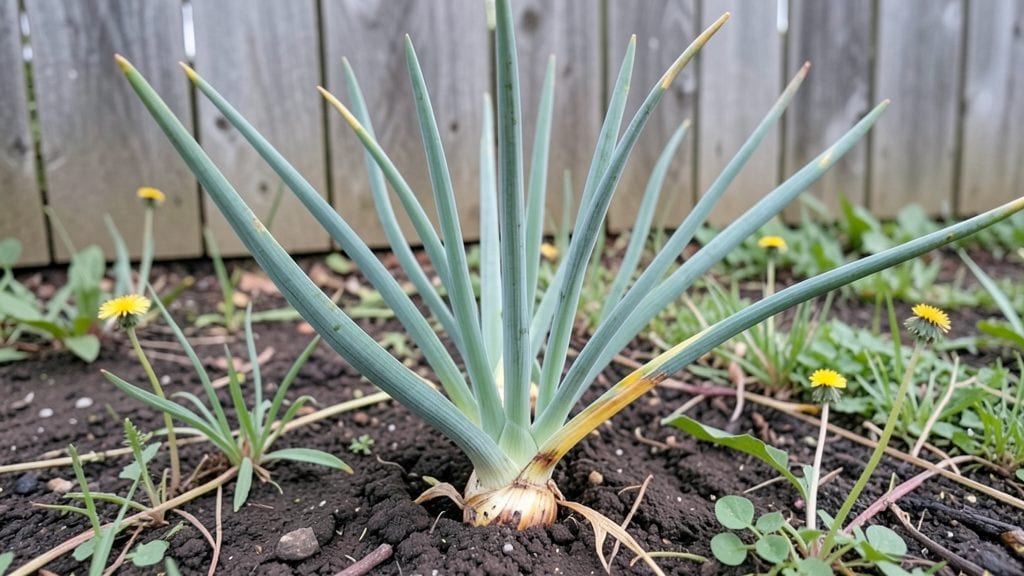
That onion grass plant brings effortless texture to any landscape—thriving where most grasses struggle. ✨ I’ve watched mine spread across my sunniest patch, its arching blades swaying even in drought, and it’s become the backbone of my low-maintenance yard.
The key? Understanding its love for heat and neglect—it’s the perfect plant for gardeners who want beauty without the fuss.
Onion grass loves full sun and tolerates poor soil, making it a workhorse for dry climates or rocky slopes. You’ll need just a handful of clumps to create a dramatic, flowing effect, and once established, it barely needs watering.
The real magic happens in late summer when the blades turn golden, adding warmth to the garden without extra effort. It’s also deer-resistant, which is a bonus if you’re tired of losing plants to hungry critters.
With minimal pruning and no fertilizing, this grass stays lush year-round, even through winter. The arching forms create movement in still landscapes, and its drought tolerance means fewer worries about brown patches during heatwaves.
By the end of the first season, you’ll have a foolproof ground cover that outshines traditional lawns. Let’s get yours planted!
Works beautifully in borders, slopes, or as a standalone specimen—just give it space to spread. Here’s how to make it thrive in your yard without the guesswork.
📚 In This Guide
- What you need
- Instructions
- Tips and common mistakes
- Wrapping up and next steps
What you need
- ● Onion grass seeds or plants: 1–2 packets of seeds (or 3–5 nursery-grown plants for quick results). Opt for Dichondra argentea for the classic silver-blue look!
- ● Well-draining potting soil: 1–2 bags (mix in perlite or sand for extra aeration—5–10% by volume works well).
- ● Containers or garden bed: For containers: 5–10-inch pots (drainage holes required!) or a shallow tray for a cascading effect.
- ● For ground planting: A sunny spot with 6+ hours of light daily and soil amended with compost.
- ● Watering can or hose: With a gentle spray nozzle to avoid disturbing delicate foliage.
- ○ Fertilizer (optional but helpful): Balanced liquid fertilizer (e.g., 10-10-10) or slow-release granules (follow label rates).
- ● Fish emulsion or worm castings for organic growth.
- ● Pruners or scissors: Sharp, clean pair for trimming (sterilize with rubbing alcohol if reusing).
- ● Climate: Thrives in USDA Zones 8–11 (can be grown as an annual in cooler zones). Prefers 60–85°F temperatures.
- ● Light: Full sun (6+ hours) for vibrant color; tolerates partial shade but may grow leggy.
- ● Water: Keep soil moist but not soggy (water when top inch feels dry). Drought-tolerant once established!
- ● Soil pH: Slightly acidic to neutral (6.0–7.0). Test your soil if unsure.
- ● Mulch (e.g., shredded bark) to retain moisture and suppress weeds.
- ● Grow lights for indoor cultivation (12–14 hours of light daily).
- ● Decorative rocks or pebbles to enhance the textured aesthetic.
- ● Slow-release fertilizer tabs for low-maintenance feeding.
How to grow onion grass plant for lush year-round color
This hardy perennial thrives with almost no effort—just follow these simple steps.
🌱 Step 1: Choose the Perfect Location
Onion grass plants love full sun to partial shade, ideally 6+ hours of direct sunlight daily. I place mine near a south-facing window or in a well-lit patio spot. If you notice leaves yellowing or stretching toward light, move it closer to a brighter area.
This plant tolerates a range of conditions but performs best in well-draining soil. If your garden soil is heavy clay, amend it with compost to improve aeration. A slight slope helps prevent water pooling around the roots, which can cause rot.
🪴 Step 2: Plant with Proper Spacing
For 4 plants, space them 12-18 inches apart in rows 18 inches apart to allow airflow and prevent disease. Dig holes just deep enough to accommodate the root ball—never bury the base of the plant deeper than it was in its container.
Gently remove the plant from its pot and loosen any circling roots with your fingers. Place it in the hole, backfill with soil, and press lightly around the base to remove air pockets. Water deeply right after planting to help roots establish.
☀️ Step 3: Water Consistently but Avoid Overdoing It
Water once a week during the first month to help roots establish, then reduce to every 10-14 days once mature. Onion grass is drought-tolerant once established, but it prefers soil that stays evenly moist but not soggy. You'll know it's time to water when the top 1-2 inches of soil feel dry.
Water at the base of the plant in the morning to allow foliage to dry quickly, reducing the risk of fungal issues. Avoid wetting the leaves, as this can lead to brown spots or mildew. Mulch around the base with 2-3 inches of organic mulch to retain moisture and suppress weeds.
✂️ Step 4: Prune for Health and Shape
Trim back any dead or yellowing leaves in early spring to encourage new growth. I also cut back about one-third of the plant after flowering to maintain its shape and promote bushiness. Use clean, sharp pruning shears to make clean cuts just above a leaf node.
If your plant becomes too leggy or sparse, you can divide it in early spring. Dig up the plant, separate the clumps, and replant the healthiest sections. This rejuvenates the plant and gives you extra greenery for free!
🌿 Step 5: Fertilize Lightly for Vibrant Growth
Feed your onion grass plant once in early spring with a balanced, slow-release fertilizer (10-10-10 ratio). Follow the package instructions for application rates—over-fertilizing can lead to weak growth and excessive foliage at the expense of flowers.
Skip fertilizing in late summer or fall, as the plant enters a period of slower growth. If you notice new growth emerging in late summer, a light application of organic compost can give it a gentle boost without risking overfeeding.
Tips & tricks for perfect onion grass plant care
A few simple tricks will help your onion grass thrive with minimal effort and maximum lushness.
Location is Everything: I've found that placing onion grass near a south-facing window gives it the perfect balance of light—especially in winter when natural light is scarce. If you notice the leaves stretching toward the light (a sign of legginess), it's time to move it closer to a brighter spot. Remember, these plants can handle partial shade, but they'll reward you with the most vibrant color when they get their full 6+ hours of sunlight daily.
Soil Preparation Matters: The key to healthy roots lies in your soil preparation. If you're working with heavy clay soil, mix in a generous amount of compost to improve drainage. I like to add a thin layer of coarse sand to the bottom of planting holes to create even better drainage. This prevents water from pooling around the roots, which can lead to rot and stunted growth.
Watering Wisdom: The once-a-week watering schedule during the first month is crucial for establishing strong roots. After that, you can ease up to every 10-14 days, but always check those top 1-2 inches of soil first—if they feel dry, it's time to water. I've learned that morning watering is best because it gives the leaves plenty of time to dry out during the day, reducing the risk of fungal diseases that love damp foliage.
Pruning for Perfection: When you're cutting back that one-third of the plant after flowering, here's a pro tip: make your cuts just above a leaf node where new growth will emerge. I also recommend sterilizing your pruning shears with rubbing alcohol between cuts to prevent spreading any potential diseases between plants. This simple step keeps your onion grass looking neat and encourages bushier growth.
Pro Tips for Onion Grass Plant
- A few simple tricks will help your onion grass thrive with minimal effort and maximum lushness.
- Location is Everything: I've found that placing onion grass near a south-facing window gives it the perfect balance of light—especially in winter when natural light is scarce.
- Soil Preparation Matters: The key to healthy roots lies in your soil preparation.
Frequently asked questions
How fast does onion grass grow, and when can I expect to see results?
Onion grass grows at a moderate pace—expect about 1–2 inches per month under ideal conditions (sunlight, moisture, and well-draining soil). Most gardeners see noticeable coverage in 4–6 weeks after planting, with full maturity (3–6 inches tall) in 2–3 months. Patience pays off, but it’s worth the wait for that velvety, clumping texture!
Why is my onion grass turning yellow or brown?
Yellowing or browning can stem from overwatering (root rot risk!), underwatering (drought stress), or poor drainage. Check soil moisture—it should feel damp but not soggy. If leaves crisp up, trim them back and adjust watering. Too much sun in hot climates can also scorch it, so light afternoon shade helps in extreme heat.
Can I grow onion grass indoors, or is it strictly for outdoor use?
While onion grass thrives outdoors, you can grow it indoors with the right setup! Place it near a sunny window (south-facing) or under grow lights (12+ hours/day). Use a well-draining pot with holes and a soil mix for succulents. Just know it may grow slower indoors and won’t reach its full outdoor lushness.
How do I propagate onion grass to spread it around my yard?
Propagation is super easy! Gently dig up small clumps (with roots attached) and replant them in moist soil. You can also divide mature plants every 2–3 years to refresh growth. For water propagation, place cuttings in a jar of water—they’ll root in 2–3 weeks before transplanting. Just avoid overcrowding; space clumps 12–18 inches apart for best results.
Does onion grass survive winter, or do I need to protect it?
Good news: Onion grass is cold-hardy (USDA zones 5–11) and stays green year-round in mild winters. In freezing temps (below 20°F), it may turn brown but bounces back in spring. For extra protection, add a light mulch layer (1–2 inches) around the base. No fuss—just let nature do its thing!
Wrapping up and next steps
Growing onion grass plant is a rewarding way to add vibrant, low-maintenance greenery to your lawn year-round—without the fuss! 🌿 With its drought tolerance, pest resistance, and striking foliage, it’s the perfect choice for busy gardeners or eco-conscious homeowners.
Whether you’re a beginner or a seasoned green thumb, this resilient plant proves that beauty and simplicity go hand in hand.
Ready to transform your outdoor space? Start by gathering your supplies, choosing the right spot, and following the simple steps outlined above. Your dream lawn is just a few seeds away! 🌱