
Lawn
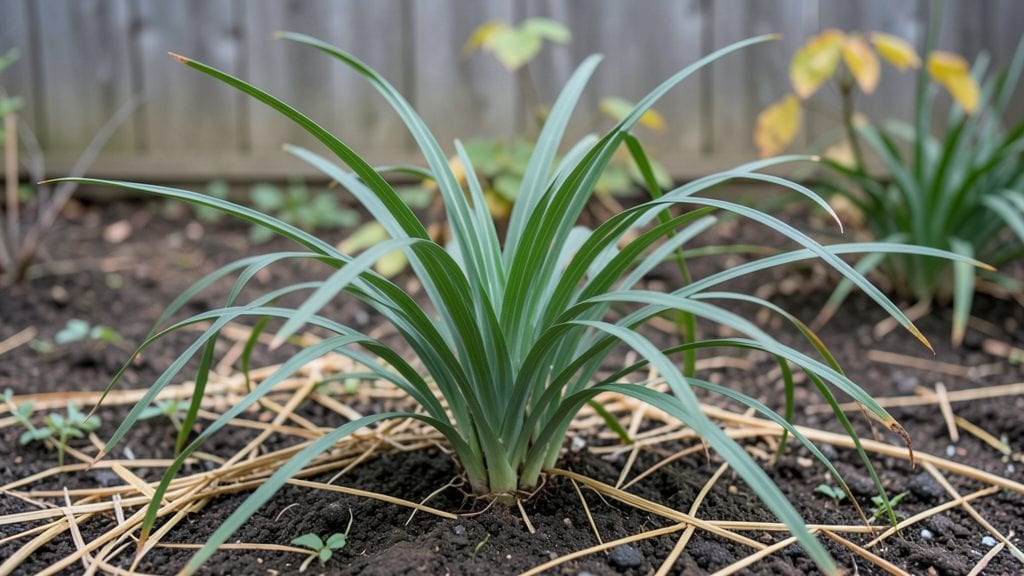
Learn how to grow lemon grass plant from a store-bought bunch—it’s simpler than you’d expect, and you won’t need seeds or a nursery. I’ve turned grocery store stalks into thriving plants that fill my kitchen with that bright, citrusy aroma every time I brush past them.
The key is patience and a few simple tricks that keep the roots happy while the stalks grow taller than my forearm.
You’ll need just three things: a container with drainage (or a sunny garden spot), well-draining potting mix, and a spot that gets at least 6 hours of sunlight daily.
Lemon grass hates soggy roots, so if your soil stays damp longer than 24 hours, add perlite or sand to improve drainage. The first few weeks are critical—keep the soil consistently moist but never waterlogged, and watch those new shoots emerge within 2-3 weeks.
By harvest time—around 3-4 months—you’ll have stalks thick enough to use in cooking or bundle for drying. The leaves stay fragrant even after cutting, and a single plant can produce enough for dozens of recipes.
Plus, it’s surprisingly cold-hardy once established, surviving light frosts if protected. Whether you’re growing it in a pot on your patio or tucked into a garden bed, this herb rewards beginners with minimal effort.
Here’s the secret weapon: trim the stalks back by a third when they reach 12-18 inches, and you’ll encourage bushier growth. Avoid overcrowding—space plants 12-18 inches apart in the ground or use 5-gallon containers for potted growth.
The first harvest might surprise you with how much you’ll actually use, and before you know it, you’ll be the go-to source for fresh lemon grass in your neighborhood.
📚 In This Guide
- What you need
- Instructions
- Tips and common mistakes
- Wrapping up and next steps
What you need
- ● Lemon grass plants: 1–3 healthy stalks (look for fresh, firm bases with green tops). You can buy them at garden centers or propagate from store-bought stalks (see tips below!).
- ● Well-draining potting mix: 5–10 gallons (for pots) or enriched garden soil (for in-ground planting). Mix in compost or perlite (1 part compost to 3 parts soil) to improve drainage.
- ● Containers (if potted): 1–2 large pots (12–18 inches deep and wide) with drainage holes. Pro tip: Terracotta pots help prevent root rot! 💡
- ● Watering can or hose: With a gentle spray nozzle for even moisture.
- ● Fertilizer: Balanced liquid fertilizer (10-10-10 or 20-20-20) or organic options like fish emulsion. Use sparingly—once every 4–6 weeks.
- ○ Mulch (optional but helpful): Straw or shredded leaves to retain moisture and regulate soil temperature.
- ● Pruning shears or sharp knife: For trimming dead leaves or harvesting.
- ○ Gloves (optional): Lemon grass leaves can be sharp!
- ● Sunlight meter or app: To check light exposure (aim for 6+ hours of sun daily).
- ● Spray bottle: For misting leaves in dry climates.
- ○ Drip irrigation system (optional): For consistent watering in larger gardens.
Step-by-step instructions for growing lemon grass plant
Here's how to cultivate this fragrant herb successfully, whether in containers or garden beds.
Choose the Right Location and Prepare the Soil
Lemon grass thrives in full sun to partial shade, needing at least 6 hours of sunlight daily. If growing in pots, place them where they’ll receive morning sun and afternoon shade—especially in hot climates. The soil should be well-draining and slightly acidic to neutral, with a pH between 6.0 and 7.0. If your garden soil is heavy clay, mix in 2-3 inches of compost to improve drainage and fertility.
Before planting, loosen the soil to a depth of 12 inches to encourage root growth. Lemon grass has long, fibrous roots, so avoid compacted soil. If using containers, ensure they have drainage holes to prevent root rot. A 12-inch diameter pot is ideal for a single plant, allowing ample space for its root system to spread.
Plant Lemon Grass Cuttings or Seeds
Lemon grass is most commonly grown from 3-4 inch cuttings taken from mature stalks. Remove the lower leaves, leaving the top 6 inches intact, and trim the base at an angle. Dip the cut end in rooting hormone (optional but helpful) before planting. Insert the cutting 2 inches deep into the soil, spacing multiple plants 18-24 inches apart in garden beds.
If starting from seed, sow them ¼ inch deep and keep the soil consistently moist until germination, which typically occurs in 2-4 weeks. Seedlings grow slowly at first, so be patient. Once they reach 4-6 inches tall, thin them to the strongest plant per location. Lemon grass is sensitive to transplant shock, so handle seedlings gently when thinning.
Water and Maintain Moisture Levels
Lemon grass loves moisture but hates soggy roots. Water deeply once a week, ensuring the top 2-3 inches of soil remain moist but not waterlogged. In hot, dry climates, you may need to water every 4-5 days. Check moisture by sticking your finger into the soil—if it feels dry at 1 inch deep, it’s time to water. Avoid wetting the leaves to prevent fungal diseases like rust.
Mulch around the base of the plant with 2-3 inches of organic mulch (such as straw or shredded leaves) to retain moisture and suppress weeds. Mulching also helps regulate soil temperature, which lemon grass appreciates. During the first growing season, keep the soil consistently moist to encourage strong root development. Once established, lemon grass becomes more drought-tolerant.
Fertilize and Prune for Healthy Growth
Feed lemon grass with a balanced, water-soluble fertilizer (10-10-10) every 4-6 weeks during the growing season. Dilute the fertilizer to half-strength to avoid burning the roots. Alternatively, use a slow-release granular fertilizer applied once in early spring. Avoid over-fertilizing, as this can lead to excessive leaf growth at the expense of the fragrant stalk.
Prune lemon grass by cutting back the stalks to 6 inches tall in early spring to encourage fresh, tender growth. Remove any yellow or damaged leaves promptly. If growing in pots, trim the outer leaves to keep the plant compact and encourage new shoots. Harvest leaves as needed, but never cut more than one-third of the plant at a time to avoid stressing it.
Protect and Overwinter Lemon Grass
Lemon grass is tropical and sensitive to cold. If temperatures drop below 30°F, protect plants by moving containers indoors or covering garden plants with frost cloth. In warmer climates, lemon grass grows year-round, but in colder regions, it may die back in winter. If this happens, replant new cuttings in spring.
To overwinter lemon grass indoors, place it near a south-facing window or under grow lights for 12-14 hours of light daily. Reduce watering slightly in winter, allowing the top 1-2 inches of soil to dry out between waterings. With proper care, lemon grass can live for years, producing fresh stalks for cooking and crafts.
Tips & tricks for perfect lemon grass cultivation
Growing lemon grass successfully comes down to a few key details that make all the difference between a thriving plant and one that struggles. Here's what I've learned after growing this fragrant herb for years.
The Light Factor: Lemon grass needs that full sun to partial shade, but there's a trick to positioning your pots. In hot climates, I place my containers where they get morning sun and afternoon shade - this prevents the roots from overheating while still giving them enough light to thrive. If you notice the leaves turning yellow, it's usually a sign of too much direct afternoon sun.
Root Development Secret: When planting your 3-4 inch cuttings 2 inches deep, don't rush the soil preparation. I take extra time to loosen the soil to that full 12-inch depth - this creates room for those long, fibrous roots to spread out comfortably. For containers, I always double-check those drainage holes because soggy roots are lemon grass's worst enemy.
Watering Wisdom: The once-a-week watering guideline works well, but I've found that checking moisture at that 1-inch depth is more reliable than counting days. In my experience, lemon grass tells you when it needs water - the leaves will start to droop slightly when it's thirsty. And remember, those 2-3 inches of mulch around the base make a huge difference in moisture retention during those hot summer months.
Cold Weather Protection: When temperatures approach that critical 30°F threshold, I don't wait until the last minute to move my containers indoors. I start monitoring the forecast a few days ahead and bring them in when nighttime temps drop below 40°F. For garden plants, I've found that wrapping the pots with bubble wrap before covering with frost cloth gives that extra layer of protection against sudden temperature drops.
Pro Tips for Grow Lemon Grass Plant
- Growing lemon grass successfully comes down to a few key details that make all the difference between a thriving plant and one that struggles.
- The Light Factor: Lemon grass needs that full sun to partial shade, but there's a trick to positioning your pots.
- Root Development Secret: When planting your 3-4 inch cuttings 2 inches deep, don't rush the soil preparation.
Frequently asked questions
Got questions about growing lemon grass? You’re not alone!
Here are some of the most common queries—plus quick, actionable answers to keep your plants thriving.
How long does it take for lemon grass to grow tall enough to harvest?
Lemon grass grows surprisingly fast! With proper care, you can harvest the stalks in 6–8 weeks from planting. The leaves will be long and sturdy enough for cooking around 3–4 months if grown from seeds, or even sooner (4–6 weeks) if using clumps or cuttings. Patience pays off—thicker stalks mean more flavor!
Can I grow lemon grass indoors, and what’s the best way to do it?
Lemon grass thrives indoors with bright, indirect light (like a sunny windowsill). Use a 6–8 inch pot with drainage holes, keep soil moist (not soggy), and maintain temps above 60°F (15°C). A humidity tray or occasional misting helps mimic tropical conditions. Just avoid drafts—lemon grass hates cold air!
Why is my lemon grass turning yellow or dying? What’s wrong?
Yellowing or wilting lemon grass usually signals one of three issues:
- Overwatering: Check soil moisture—it should stay damp but not waterlogged. Let the top inch dry out between waterings.
- Underwatering: Lemon grass loves moisture! If the soil feels bone-dry, give it a deep drink.
- Pests or disease: Inspect for aphids, spider mites, or fungal spots. Prune affected areas and treat with neem oil if needed.
Too much cold or wind can also stress plants—keep them cozy!
Can I regrow lemon grass from store-bought stalks? How?
Yes! Save the root end (3–4 inches) of your grocery store lemon grass. Trim the leaves, let it dry for a few hours, then place it in 2 inches of water or moist soil. Roots should sprout in 1–2 weeks. Once established, transplant to soil—it’s that easy! Pro tip: Use the leftover stalks for tea or cooking while waiting for regrowth.
Does lemon grass survive winter? How do I protect it in cold climates?
Lemon grass is tender and frost-sensitive—it’ll die in temps below 20°F (-7°C). In cold climates, dig up clumps before the first frost, trim the leaves, and store the roots in a cool, dark place (like a garage) with barely moist soil. Replant outdoors in spring when soil warms to 60°F (15°C). Alternatively, grow it in containers and move them indoors for winter!
Wrapping up and next steps
Growing your own lemon grass is a rewarding journey that brings a fragrant, versatile herb right to your kitchen! With the right sunlight, well-draining soil, and a little patience, you’ll soon enjoy its zesty aroma and culinary benefits.
Whether you’re a beginner or a seasoned gardener, this tropical herb thrives in pots or garden beds—making it the perfect addition to your green space.
Now that you’re armed with the knowledge, roll up your sleeves and start planting! Share your progress with fellow gardeners or experiment with new recipes using your homegrown harvest. Happy growing! 🌱✨