
Lawn
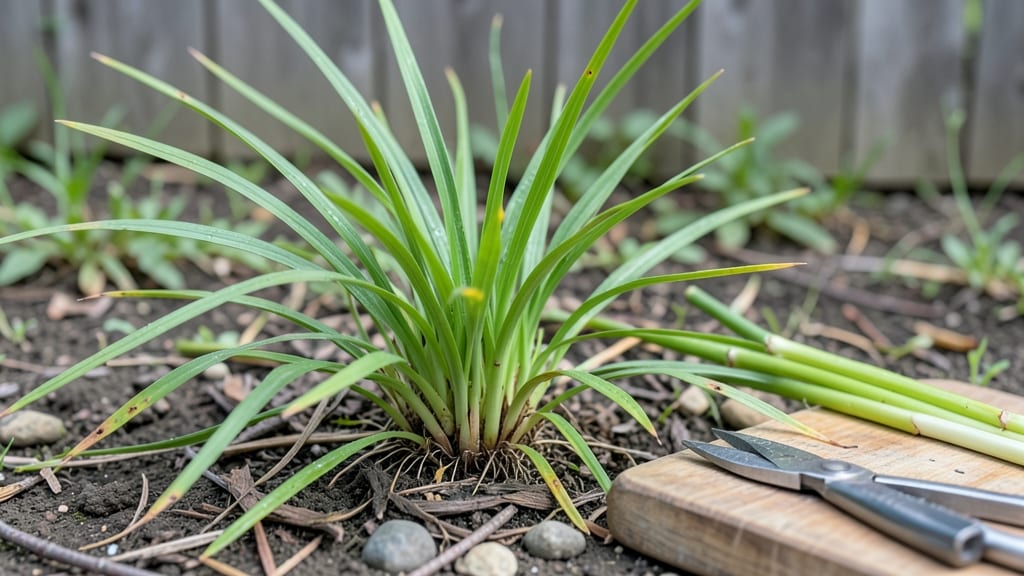
Cutting lemon grass right means you get fresh stalks for months without killing the plant. ✨ I’ve learned the hard way—cut too close to the base, and you’ll stunt regrowth. The secret is timing, technique, and knowing exactly where to make your cuts.
You’ll need sharp pruning shears or a clean knife, gloves (lemon grass can be abrasive), and a sunny day. Harvest when the stalks are mature but still tender—usually after 3-4 months of growth. Never take more than a third of the plant at once, or you’ll stress it.
After cutting, you’ll see new shoots emerge within 2-3 weeks if you leave at least 6 inches of growth. Store harvested stalks in a damp paper towel in the fridge for up to 2 weeks, or freeze them for longer use.
The plant will reward you with fresh growth all season.
This method works for both potted and in-ground lemon grass. Just avoid cutting too low, and you’ll have a steady supply of fragrant stalks year after year. Ready to trim like a pro?
📚 In This Guide
- What you need
- Instructions
- Tips and common mistakes
- Wrapping up and next steps
What you need
- ● Sharp pruning shears or garden scissors – Choose a pair with clean, sterilized blades (1 pair). Avoid dull tools to prevent crushing the stalks.
- ○ Gloves (optional but recommended) – Garden or work gloves to protect your hands from sharp edges and sap (1 pair).
- ● Ruler or measuring tape – For precision cuts (1, 12-inch or longer).
- ● Disinfectant (rubbing alcohol or bleach solution) – To sterilize tools before and after use (small bottle or spray).
- ● Sharp knife or machete (for larger clumps) – For cutting thicker stalks or dividing mature plants (1).
- ○ Pruning saw (optional) – If dealing with very thick, woody bases (1).
- ● Compost bin or bag – To collect trimmings for composting (1).
- ○ Water spray bottle (optional) – To mist leaves and reduce dust (small spray bottle).
- ● Wait until the plant is at least 12–18 months old before heavy trimming to avoid stressing young growth.
- ● Trim in the morning or late afternoon to reduce stress from direct sunlight.
- ● Ensure the plant is healthy and pest-free before cutting.
- ● Have a clear plan for regrowth—decide whether you’re harvesting for culinary use or encouraging bushier growth.
Step-by-Step guide to cutting lemon grass for healthy regrowth
Lemon grass thrives when you trim it right—here's my foolproof method for harvesting without killing the plant.
🌱 Step 1: Identify the Right Stems to Cut
Look for mature stalks that are at least 12-18 inches tall with thick, fibrous bases. These are the ones ready for harvest. I always cut the outer stalks first—they’ve had time to store energy in their roots. Avoid cutting the very center stalks unless they’re fully mature, as these are the plant’s energy reserves.
Run your fingers along the stalk near the base. If you feel a thick, woody section with multiple nodes (those little bumps), it’s ready. Younger, thinner stalks will regrow faster but produce less flavorful stems. This is the moment that matters: wait until you’ve got at least three mature stalks before harvesting.
✂️ Step 2: Use the Correct Cutting Technique
Grab a pair of clean, sharp pruners or a knife and make your cut about 2-3 inches above the soil line. Cutting too high leaves a stub that may rot, while cutting too low removes the plant’s ability to regrow. Angle the cut slightly downward to prevent water from pooling on the stub.
I promise, this part feels weird at first—you’ll worry about cutting too much. But trust me, lemon grass is tougher than it looks. After cutting, leave the remaining stalks alone for 4-6 weeks to recover before harvesting again. This gives the plant time to rebuild its energy stores in the roots.
🌿 Step 3: Encourage New Growth After Harvesting
Water the plant deeply right after cutting to help it recover. Lemon grass needs about 1 inch of water per week, but more after harvesting. I like to water in the morning so the leaves have time to dry before evening. Avoid getting water on the leaves—this can cause fungal issues.
Within 2-3 weeks, you’ll see new shoots emerging from the base of the plant. These are your regrowth indicators—thin but vigorous, signaling the plant is healing. If you don’t see new growth by then, your plant might need more sunlight or nutrients. Move it to a sunnier spot if possible, or add a balanced fertilizer to boost recovery.
⏰ Step 4: Maintain a Harvesting Schedule
Once your lemon grass plant is established, you can harvest every 3-4 months. This keeps the plant productive without overstressing it. I mark my calendar with reminders because lemon grass grows surprisingly fast once it’s happy in its spot.
Here’s the thing—if you harvest too frequently, the plant will struggle to regrow. You’ll know you’re overdoing it if the stalks become thin and weak, or if the plant stops producing new shoots. Real talk: patience pays off. A well-cared-for lemon grass plant can live for years and produce harvest after harvest if you give it time to recover.
☀️ Step 5: Provide Ideal Growing Conditions
Lemon grass loves full sun (6-8 hours daily) and well-draining soil. If your plant isn’t thriving, check its location. A south-facing window or outdoor spot gets the best results. I’ve found that lemon grass in partial shade grows slower and produces fewer stalks.
After cutting, keep the soil slightly moist but never soggy. Lemon grass roots need oxygen to regenerate, so avoid waterlogging. If your climate is dry, mulch around the base to retain moisture. You’ll see stronger regrowth when the plant has the right conditions to bounce back.
Tips & tricks for perfect lemon grass regrowth
A few simple tricks will help you keep your lemon grass thriving after each harvest—and avoid the common mistakes that kill plants.
The Right Time to Trim: In Step 1, when you're checking for mature stalks, look for the telltale sign of at least three fully developed stalks with those thick, woody bases. I've learned the hard way that cutting too soon—when stalks are still under 12 inches—leads to weak regrowth. The outer stalks are your best bet because they've already stored energy in their roots, giving your plant a head start for recovery.
Precision Cutting Technique: The 2-3 inch cut in Step 2 is critical—this is where most people mess up. Use a sharp knife or pruners to make a clean cut at that exact height. Too high and you risk rot; too low and you're basically cutting off the plant's food source. Pro tip: Angle your cut slightly downward to prevent water from pooling on the stub, which can cause fungal issues later.
Post-Harvest Recovery Plan: After cutting, don't just walk away! In Step 3, that deep watering right after harvest is your plant's lifeline. I water mine in the morning so the leaves have time to dry completely before nightfall—this prevents fungal problems. Within those first 2-3 weeks, you'll see if your plant is happy: new shoots should emerge from the base like little green soldiers. If not, it's time to move your plant to sunnier conditions or give it a nutrient boost.
Harvesting Schedule Secret: The 3-4 month cycle in Step 4 might seem long, but trust me—it's what keeps your lemon grass productive for years. I've seen people harvest too often and end up with weak, spindly stalks that never recover. Mark your calendar and be patient. Your plant will thank you with bigger, more flavorful harvests each time.
Pro Tips for Cut Lemon Grass Plant
- A few simple tricks will help you keep your lemon grass thriving after each harvest—and avoid the common mistakes that kill plants.
- The Right Time to Trim: In Step 1, when you're checking for mature stalks, look for the telltale sign of at least three fully developed stalks with those thick, woody bases.
- Precision Cutting Technique: The 2-3 inch cut in Step 2 is critical—this is where most people mess up.
Frequently asked questions
Got questions about trimming your lemon grass? You’re not alone! Here are answers to the most common concerns—so you can cut with confidence and keep your plant thriving.
When is the best time to cut lemon grass?
Trim your lemon grass after it reaches about 12–18 inches tall (or when the stalks are mature but still tender). Avoid cutting too early—you’ll sacrifice flavor and regrowth. For continuous harvests, trim every 3–4 months or when new shoots appear. Pro tip: Early morning cuts yield the freshest, most aromatic stalks!
How do I cut lemon grass without damaging the plant?
Use a sharp knife or pruners to make clean cuts 2–3 inches above the base (where the leaves meet the bulb). Never cut too close—this can rot the core. For large clumps, divide the stalks carefully to avoid tearing. Warning: Wear gloves! Lemon grass can be abrasive and may irritate skin.
Can I regrow lemon grass from the cut pieces?
Yes! The bulb (base) will regrow if left intact. Simply replant the trimmed bulb in moist soil, ensuring the top remains exposed. For cut stalks, only the bottom 2–3 inches (with the bulb) can regrow—discard the rest. Water lightly until new shoots appear (usually in 2–4 weeks).
What if my lemon grass turns yellow after cutting?
Yellowing can happen if the plant is overcrowded, underwatered, or cut too aggressively. Fix it: Thin out dense clumps, water deeply (but avoid soggy soil), and fertilize lightly with compost. If only the lower leaves yellow, it’s normal—focus on trimming healthy upper stalks.
Are there alternatives if I can’t grow lemon grass?
Substitute with ginger (milder flavor) or palm hearts (for texture). For cooking, a pinch of lemon zest + a dash of turmeric mimics its citrusy kick. If you’re buying, look for fresh, firm stalks (avoid wilted or hollow centers).
Still stumped? Drop your question below—we’re happy to help your lemon grass (and your recipes!) shine!
Wrapping up and next steps
Cutting your lemon grass plant the right way isn’t just about trimming—it’s about revitalizing your garden while ensuring a fresh supply of this versatile herb. By following the steps above, you’ll promote thicker regrowth, prevent disease, and keep your plant thriving for seasons to come. 🌱✨
Ready to put your new skills to the test? Grab your pruners and give your lemon grass plant the care it deserves. Whether you’re harvesting for cooking or simply maintaining a lush lawn, every snip is a step toward a greener, healthier garden. Happy trimming!