
Landscaping
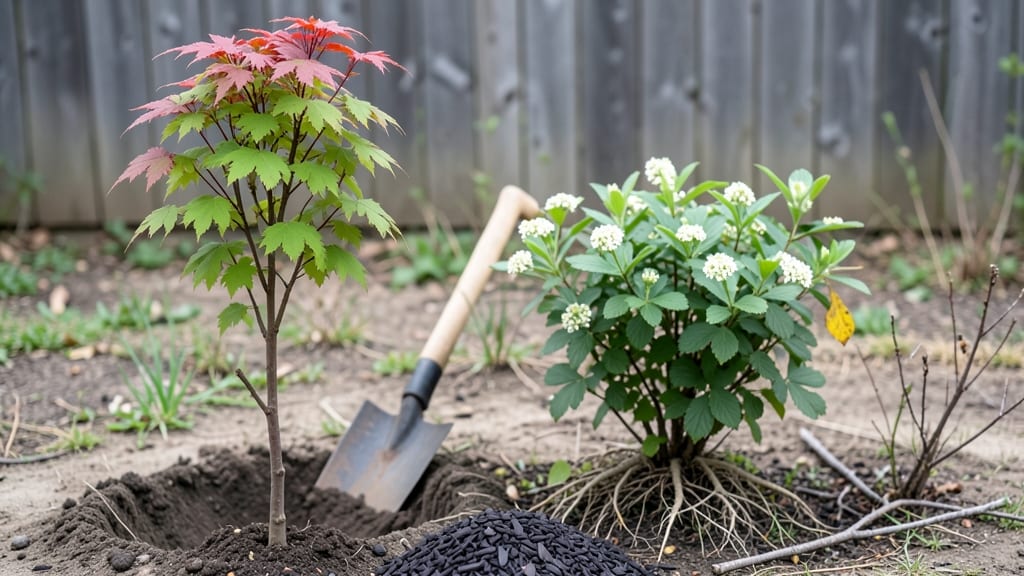
Strategic landscape tree and shrub planting transforms a yard from ordinary to extraordinary—layering color, texture, and seasonal interest that keeps your outdoor space vibrant all year.
I’ve planted dozens of trees and shrubs over the years, and the difference between a haphazard arrangement and a thoughtfully designed landscape is night and day. The right placement creates privacy screens, windbreaks, and focal points while avoiding the common pitfalls of overcrowding or mismatched growth habits.
Start with your site’s natural conditions: sunlight patterns, soil type, and microclimates. A fast-growing evergreen like arborvitae makes a perfect privacy hedge in full sun, while a deciduous tree such as red maple adds brilliant fall color and dappled shade.
Spacing is critical—give mature shrubs enough room to breathe, or you’ll end up with a tangled mess in five years. Soil prep can’t be skipped either; amending with compost or organic matter ensures strong root establishment from day one.
When done right, your landscape becomes a living tapestry—spring blooms, summer shade, autumn foliage, and winter structure all working together. Picture a Japanese maple framing a patio, its delicate leaves contrasting with a bold boxwood hedge.
Or a cluster of hydrangeas softening a modern home’s sharp lines. The key is balancing height, form, and bloom times so there’s always something captivating to see, no matter the season.
Common mistakes? Planting too deep, ignoring root flare, or choosing species that outgrow their space. But with the right planning, your yard will reward you with years of low-maintenance beauty. Let’s get those plants in the ground the right way—the first time.
📚 In This Guide
- What you need
- Instructions
- Tips and common mistakes
- Wrapping up and next steps
What you need
- ● Shovels: 1 round-point shovel (for digging) + 1 flat-edged shovel (for backfilling)
- ● Hand trowel: 1 medium-sized (for precision planting)
- ● Pruners: 1 pair of bypass pruners (for trimming roots/shoots)
- ● Garden fork: 1 (for aerating soil)
- ● Wheelbarrow: 1 (for hauling soil, mulch, or plants)
- ● Measuring tape: 1 (25-foot for spacing layouts)
- ● Gloves: 2 pairs (gardening + heavy-duty for tough soil)
- ● Watering can/hose: 1 with adjustable nozzle (for post-planting hydration)
- ○ Optional: Soil knife (for delicate root separation)
- ● Post-hole digger (if staking young trees)
- ● Knee pads (for comfort during long sessions)
- ● Plants: Trees/shrubs (pre-order from nurseries; check root ball sizes—#5 containers for small shrubs, #15+ for mature trees)
- ● Native soil: 1–2 cubic yards (depending on planting scale)
- ○ Amendments (optional but recommended): Compost (5–10 gallons per plant)
- ● Slow-release fertilizer (e.g., 10-10-10, 1 lb per plant)
- ● Mulch: 2–3 cubic feet of organic mulch (pine bark, wood chips, or shredded leaves)
- ● Stakes & ties (if needed): 1–2 per young tree (bamboo stakes + soft fabric ties)
- ● Landscape fabric: 1 roll (for weed suppression under mulch)
- ○ Pest control (optional): Copper tape (for slugs) or neem oil spray
- ● 🌡️ Weather check: Plant on a cool, cloudy day (avoid heatwaves or frost)
- ● 📏 Site prep: Clear weeds/debris; mark planting locations with stakes/spray paint
- ● 💧 Water source: Ensure easy access to a hose or watering system
- ● 📅 Timing: Spring/fall planting (avoid summer drought or winter freeze)
- ● 📊 Research: Know your USDA Hardiness Zone and plant spacing (e.g., 6–10 ft for shrubs, 15–30 ft for trees)
Step-by-Step instructions for planting trees and shrubs strategically
Here’s how to plant four trees and shrubs with precision, ensuring they thrive year-round.
Plan and Mark Planting Locations
Before digging, sketch a rough layout of your planting area, accounting for each plant’s mature size. Use a tape measure and stakes to mark exact locations—this prevents overcrowding and ensures proper spacing. For example, place smaller shrubs 12-15 feet from medium-sized trees to avoid root competition. Check your site’s sunlight patterns throughout the day; most deciduous trees and shrubs need at least 6 hours of direct sun, while evergreens tolerate partial shade.
I always verify soil drainage by digging a 12-inch-deep hole in each marked spot. If water pools after 15 minutes, amend the soil with 2-3 inches of compost or organic matter to improve drainage. This small test saves you from planting in waterlogged spots where roots will suffocate. Label each stake with the plant name and its mature height to visualize the final landscape.
Dig Properly Sized Holes
Dig holes twice as wide as the root ball but no deeper—this encourages roots to spread horizontally rather than circling downward, which weakens the plant. For example, a 3-gallon shrub needs a 12-inch-wide hole, while a 15-gallon tree requires a 24-inch-wide hole. Loosen the soil at the bottom with a shovel or garden fork to remove compaction and improve root penetration.
Step back and inspect the hole’s depth. The top of the root ball should sit 1-2 inches above ground level after planting—this prevents stem rot from soil settling. If the hole is too deep, add a 2-inch layer of amended soil at the bottom before placing the plant. Avoid disturbing the root ball’s integrity; tease apart only the most compacted roots with your fingers.
Position and Backfill with Care
Place the plant in the hole, ensuring its root flare (where roots meet the trunk) is visible above the soil line. Adjust the position carefully—once backfilled, you can’t move it without damaging roots. For container-grown plants, gently remove the pot and loosen the root ball if it’s circling. Fill the hole with the excavated soil, tamping lightly every 4 inches to eliminate air pockets.
Water deeply after backfilling to settle the soil and eliminate gaps. The goal is moist but not soggy soil—you’ll know it’s right when water drains away within 10-15 minutes. Mulch the base with 2-3 inches of organic mulch, keeping it 6 inches away from the trunk to prevent rot. This layer conserves moisture and regulates soil temperature, which is critical during hot summers and cold winters.
Stake and Support if Necessary
Stake only if the plant is taller than 6 feet or in a windy location. Use two stakes placed diagonally from the plant, tied loosely with soft fabric strips (never wire, which can girdle the trunk). The stakes should stabilize the plant without restricting growth—check ties monthly to ensure they’re not cutting into the bark. Most shrubs and small trees don’t need staking; their flexible stems adapt naturally.
Water newly planted trees and shrubs deeply every 3-4 days for the first 4-6 weeks, then taper to once a week once established. Avoid overhead watering, which can spread disease. Instead, use a soaker hose or drip irrigation to deliver moisture directly to the root zone. Monitor soil moisture by sticking your finger 2 inches deep—if it’s dry, it’s time to water.
Prune and Monitor for Establishment
Prune only to remove dead, damaged, or crossing branches—never to shape the plant at planting. This reduces stress and allows the plant to focus on root development. For evergreens, trim only the tips of leggy growth to encourage bushiness. Apply a balanced, slow-release fertilizer (10-10-10) around the root zone, but avoid over-fertilizing, which can burn tender new roots.
Check plants weekly for signs of stress—yellowing leaves may indicate overwatering, while wilting suggests underwatering. Mulch should never touch the trunk; if it does, rake it back to prevent moisture buildup. After 12 months, your trees and shrubs should be fully established, with strong root systems and minimal maintenance needs. This is the moment they begin contributing to your landscape’s year-round beauty.
Tips & tricks for perfect landscape tree and shrub planting
Planting trees and shrubs strategically transforms your landscape—here’s how to ensure long-term success with these expert insights.
Soil Drainage Test: The 15-minute water drainage test in Step 1 is non-negotiable. If water pools after that time, you’re dealing with poor drainage that will suffocate roots. I’ve seen too many plants fail because gardeners skipped this step—amend the soil with 2-3 inches of compost or organic matter to create the ideal growing medium. This small investment prevents years of frustration with struggling plants.
Root Ball Integrity: When handling container-grown plants in Step 3, resist the urge to aggressively separate roots. Tease apart only the most compacted roots with your fingers—this maintains the root structure while encouraging outward growth. I learned this the hard way after planting a $200 tree that struggled because I damaged its root system during transplanting.
Mulching Precision: The 2-3 inches of organic mulch in Step 3 serves a critical purpose, but placement matters just as much as quantity. Keep mulch 6 inches away from the trunk to prevent moisture buildup that leads to rot. I recommend using shredded bark or wood chips—they break down slowly and improve soil structure over time, unlike fresh wood chips that can draw moisture away from roots.
Watering Strategy: The deep watering schedule in Step 4—every 3-4 days for the first 4-6 weeks—requires consistency. Use a soaker hose or drip irrigation to deliver water directly to the root zone, which prevents disease spread from overhead watering. I check soil moisture by sticking my finger 2 inches deep; if it’s dry, that’s when I water. This method ensures roots develop properly without becoming waterlogged.
Pro Tips for Landscape Tree And Shrub Planting
- Planting trees and shrubs strategically transforms your landscape—here’s how to ensure long-term success with these expert insights.
- Soil Drainage Test: The 15-minute water drainage test in Step 1 is non-negotiable.
- Root Ball Integrity: When handling container-grown plants in Step 3, resist the urge to aggressively separate roots.
Frequently asked questions
Got questions about planting trees and shrubs for a stunning landscape? Here are answers to the most common queries to help you get started with confidence!
What’s the best time of year to plant trees and shrubs?
The ideal window is early spring or fall—when soil is workable but not frozen, and temperatures are mild. This gives roots time to establish before extreme heat or cold. Avoid planting in peak summer or deep winter, as stress increases and survival rates drop.
How do I determine the right spacing between plants?
Check the mature size of each plant (listed on tags or in plant guides). As a rule, space trees 15–25 feet apart and shrubs 3–10 feet apart, depending on variety. Overcrowding leads to competition for sunlight and nutrients, while too much space can create gaps in your design.
How often should I water newly planted trees and shrubs?
Water deeply 2–3 times per week for the first year, aiming for 1–1.5 inches of water per session. Use a soaker hose or drip irrigation to keep roots moist without surface evaporation. Mulch (2–4 inches) helps retain moisture and regulate soil temperature.
Can I plant trees and shrubs in containers instead of the ground?
Yes! Containers work well for small shrubs, dwarf trees, or urban gardens with limited space. Use well-draining soil and pots with drainage holes. However, large trees need ground planting for stability and root expansion. Container plants may require more frequent watering and fertilizer.
What should I do if my new plant looks wilted or unhealthy?
First, check the soil moisture—wilting can signal underwatering or overwatering. Inspect for pests (like aphids or spider mites) or disease (e.g., fungal spots). Trim damaged leaves, adjust watering, and apply mulch. If issues persist, consult a local nursery or arborist for targeted solutions.
Still unsure? Drop your question in the comments—we’re happy to help!
Wrapping up and next steps
Transforming your outdoor space with landscape tree and shrub planting is a rewarding way to enhance beauty and functionality year-round. 🌿 By choosing the right plants, planning strategic placement, and maintaining them properly, you’ll create a lush, vibrant landscape that thrives in every season.
Ready to get started? Grab your tools, sketch a design, and begin planting—your future garden awaits!
Next steps:
- Sketch a simple layout based on your space and sunlight.
- Gather your materials and pick out your favorite trees and shrubs.
- Start small—even one well-placed plant makes a difference!