
Blooming
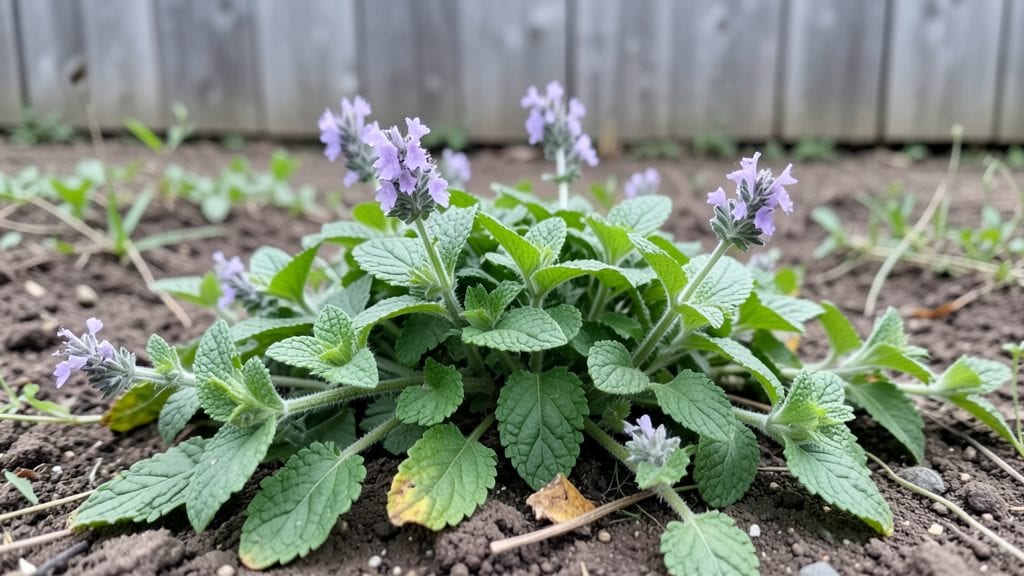
Mint plant blooms signal the end of peak flavor and oil potency, often reducing its aromatic intensity. Pruning spent flowers encourages leaf regrowth, but harvesting before blooming ensures the strongest culinary and medicinal properties.
When mint plants start flowering, they’re essentially shifting their energy from leaf production to seed development—a natural process that saps the plant’s resources. 🌱 This shift not only weakens the signature minty aroma but also reduces the potency of its essential oils, which are most concentrated in fresh, non-flowering leaves.
If you’re growing mint for tea, garnishes, or remedies, timing your harvest just before blooms appear is key to capturing the strongest flavor and therapeutic benefits.
Beyond flavor, flowering mint also grows more slowly and produces smaller leaves, making it less ideal for culinary or medicinal use. The good news? Regular pruning—especially removing flower stalks as soon as they appear—can trick the plant into focusing on leaf growth again.
I’ve found that pinching off buds early in the season keeps my mint bushy and flavorful for months longer.
💡 In This Article
- How Mint Flowering Affects Flavor and Growth
- Pruning and Care Tips for Delaying Mint Blooms
How mint flowering affects flavor and growth
When mint plants begin flowering, they enter a reproductive phase that triggers a dramatic shift in energy allocation. The plant redirects nutrients and hormones from leaf production to develop flower buds, stems, and eventually seeds.
This process is driven by the hormone ethylene, which signals the plant to prioritize reproduction over vegetative growth. As a result, leaf growth slows, and the existing leaves often become tougher and less aromatic. 🔥
The essential oils that give mint its signature flavor—like menthol and menthone—are primarily concentrated in the leaves. When flowering begins, these compounds can decrease by up to 30-50% in some varieties.
For example, peppermint leaves typically contain 0.5-1.5% essential oils when fresh, but this drops to 0.2-0.8% once flowering starts. This reduction isn’t just about taste; it also weakens mint’s medicinal properties, such as its anti-inflammatory and digestive benefits.
Culinarily, the difference is noticeable. Fresh mint leaves have a bright, crisp flavor with a sharp aroma, perfect for garnishes, mojitos, or tabbouleh. In contrast, flowering mint leaves develop a slightly bitter, earthy taste and a muted scent.
The texture also changes—the leaves become thicker and less tender, making them less ideal for delicate dishes. For medicinal use, the reduced oil concentration means weaker therapeutic effects, such as diminished pain relief or antiseptic properties.
Growth patterns shift too. Flowering mint plants allocate energy to taller stems and seed production, often growing 10-20% taller but with fewer leaves. The leaves themselves may become 20-30% smaller in size, further reducing their usability.
This is why gardeners often describe flowering mint as "bolting"—a term borrowed from leafy greens that describes rapid stem elongation and diminished quality.
Here’s what’s happening under the surface: The plant’s photosynthesis rate changes as it prioritizes flower development. Chlorophyll production shifts toward the new growth, leaving older leaves with less vibrant green color and a duller appearance.
The roots also slow their nutrient uptake, further limiting the plant’s overall vigor. This is why mint grown for commercial purposes is often harvested 3-4 times per season before any flowers appear.
The good news is that this process isn’t permanent. By pruning flower stalks as soon as they emerge, you can encourage the plant to redirect its energy back to leaf production. This technique is especially effective in spring and early summer, when mint is most responsive to pruning.
Even if flowers have already formed, removing them can stimulate new leaf growth within 2-3 weeks, restoring some of the plant’s former potency. 💫