
Planting
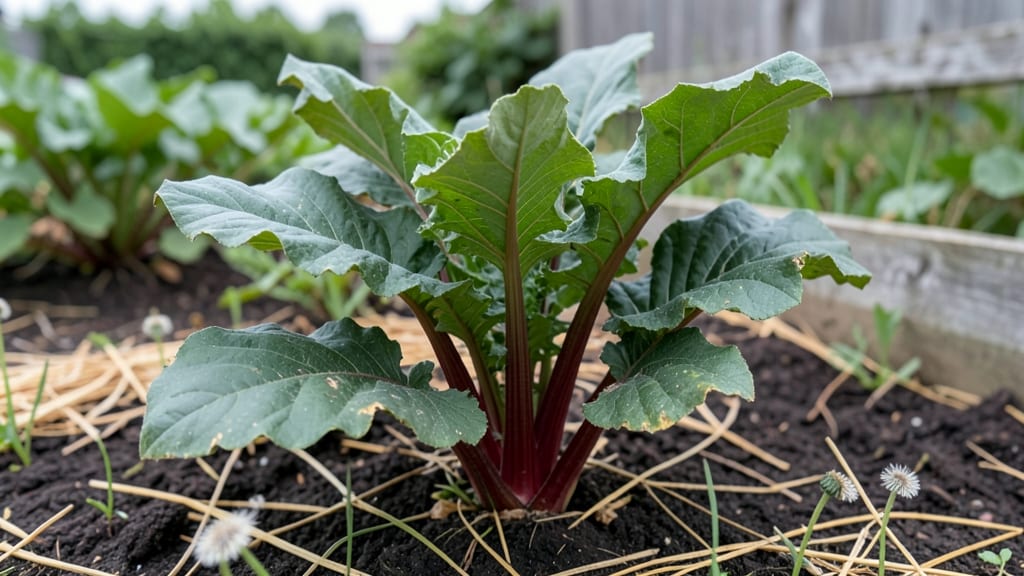
The rhubarb plant size you start with matters—mine began as a modest clump but now towers 3 feet tall and sprawls 2 to 3 feet wide, and the real magic happens in how you nurture it. 🌱 you manage its size from the start.
Too much space wastes garden real estate; too little crowds the roots and cuts yields. The right spacing and a few strategic cuts turn a modest plant into a harvest machine.
Most varieties like ‘Victoria’ or ‘Strawberry’ rhubarb thrive with 2 to 3 feet between plants, giving roots room to expand without competing. The crown—the thick, fleshy base—can grow 12 to 18 inches wide, so don’t skimp on depth when planting.
Rich, well-draining soil packed with compost is non-negotiable; rhubarb roots dive 1 to 2 feet deep to find nutrients. If your soil’s heavy clay or sandy, amend it before planting.
Here’s the game-changer: cutting back old stalks after harvest and trimming leaves in late summer. I used to let plants go wild, but now I keep them tidy and focused on new growth.
By mid-summer, you’ll see fresh, vibrant shoots ready for next year’s harvest. The result? A plant that’s productive for decades with minimal effort—just give it space and a little pruning love.
Small gardens? Try dwarf varieties like ‘Little Sweetheart’—it stays compact but still delivers. Big plots? Space them farther apart for easier access and bigger stalks. Either way, your rhubarb will reward you with juicy, tart stalks for years if you respect its size and growth habits.
📚 In This Guide
- What you need
- Instructions
- Tips and common mistakes
- Wrapping up and next steps
What you need
- ● Rhubarb crowns: 1–3 mature, disease-free crowns (choose varieties like ‘Victoria’ or ‘Strawberry’ for larger yields).
- ● Well-draining soil: 10–12 inches of loose, fertile soil (amend with compost if needed).
- ● Organic mulch: 2–3 inches of straw or wood chips (to retain moisture and regulate temperature).
- ● Balanced fertilizer: 10-10-10 or 5-10-10 (apply sparingly, ~1 lb per 100 sq ft).
- ● Watering can or hose: With a gentle spray nozzle for deep watering (1–1.5 inches per week).
- ● Garden trowel or spade: For planting and soil prep (6–8 inches deep).
- ● Pruning shears: Sharp, clean shears (sterilize with rubbing alcohol between cuts).
- ● Measuring tape: To space plants 3–4 feet apart (critical for airflow and growth).
- ● Garden gloves: Heavy-duty to protect hands from thorns and soil.
- ○ Stakes or trellis (optional): For varieties like ‘Timperley Early’ that may need support.
- ● Full sun exposure: 6+ hours daily (partial shade in hot climates).
- ● pH-balanced soil: 6.0–7.0 (test with a soil kit if unsure).
- ● Patience! Rhubarb takes 2–3 years to reach full size and peak harvest.
How to control rhubarb plant size for bigger harvests
Strategic pruning keeps rhubarb plants healthy and productive—here’s how to do it right.
✂️ Step 1: Remove Flower Stems Early to Redirect Energy
Rhubarb sends up flower stalks in spring, but cutting them off as soon as they appear forces the plant to focus on leaf and stalk growth instead. Use clean, sharp pruners to snip the flower stalk at its base—don’t leave a stub. This ensures the plant puts all its energy into developing thick, tender stalks for harvest.
I always do this in early spring, right when the flower buds swell but before they open. If you wait, the plant will divert resources to flowering, weakening its overall vigor. Watch for new growth after pruning—you’ll see fresh leaves and stalks emerge within 1-2 weeks.
✂️ Step 2: Thin Overcrowded Stalks for Better Airflow
After harvesting, rhubarb plants can get congested with too many stalks growing close together. In late spring or early summer, remove any stalks that are thinner than a pencil or growing in dense clusters. Cut them at the base with pruners, leaving the crown intact.
This prevents disease by improving airflow and ensures the remaining stalks grow thicker and more flavorful. I like to do this after a harvest day when I can see which stalks are weak. Aim to leave 3-5 healthy stalks per plant—this keeps the plant from overworking itself.
✂️ Step 3: Trim Dead or Yellow Leaves to Encourage New Growth
Throughout the growing season, rhubarb leaves can turn yellow or brown, especially after harvest. Remove these leaves at the base with your fingers or pruners—no need for tools, just pull them off gently. This prevents pests and diseases from hiding in dead foliage and signals the plant to produce fresh leaves.
I do this every 2-3 weeks during the growing season, always checking for signs of stress. Healthy leaves should be vibrant green and firm. If you notice leaves curling or wilting, it’s a sign of overwatering or poor drainage—adjust your care routine immediately.
🌱 Step 4: Prune Crowns in Fall to Prepare for Dormancy
In late fall, after the first frost, trim back any remaining stalks and leaves to 1 inch above the ground. This cleans up the plant and helps it enter dormancy more smoothly. Use pruners to cut cleanly, avoiding tearing the crown.
This step is crucial for winter survival. A well-pruned rhubarb plant recovers faster in spring and produces stronger stalks the following year. I always mulch heavily after pruning to protect the crown from freezing temperatures—use 3-4 inches of straw or shredded leaves to insulate the soil.
Tips & tricks for perfect rhubarb plant care
These simple strategies will help you maximize your rhubarb harvest with minimal effort—once you know the right moves.
The Early Spring Timing Secret: In Step 1, those flower stalks are sneaky—they can appear overnight! I check my plants every 2-3 days in early spring, starting as soon as buds begin swelling. The key is to remove them before they open, which is usually when they're about 2 inches tall. Waiting even a day can mean losing some of that redirected energy to stalk growth.
Visual Cue for Step 2: When thinning stalks in late spring, look for the classic "pencil test"—if a stalk's diameter is smaller than a standard #2 pencil, it's time to remove it. I also check for stalks growing at odd angles or leaning against neighbors, as these often indicate poor airflow and potential disease risks. This simple visual check saves me from overcrowding headaches later.
Seasonal Maintenance Strategy: For Step 3, I set a reminder every 3 weeks during growing season to check leaves. The 2-3 week interval works because that's how often rhubarb naturally sheds older leaves. If you see more than 20% yellowing at any check, it's time to intervene—this prevents pest buildup and keeps the plant focused on producing new growth.
Fall Preparation Pro Tip: When doing Step 4, I always mark the crown location with a small stake after trimming. This helps me remember exactly where to apply mulch in winter. The 3-4 inch mulch layer is critical—it's like putting a blanket on your plant to protect it from temperature swings that can stress the crown during dormancy.
Pro Tips for Rhubarb Plant Size
- These simple strategies will help you maximize your rhubarb harvest with minimal effort—once you know the right moves.
- The Early Spring Timing Secret: In Step 1, those flower stalks are sneaky—they can appear overnight!
- Visual Cue for Step 2: When thinning stalks in late spring, look for the classic "pencil test"—if a stalk's diameter is smaller than a standard #2 pencil, it's time to remove it.
Frequently asked questions
Got questions about managing your rhubarb plant size? Here are some of the most common ones—and their answers—to help you grow a thriving, productive patch!
How big should a rhubarb plant grow before harvesting?
A mature rhubarb plant typically reaches 3–4 feet tall and spreads 2–3 feet wide by its second year. However, you can start harvesting small stems (about pencil-thick) in early spring, even if the plant is smaller. Over-harvesting young plants can stunt growth, so limit yourself to 10–15% of the stalks until the plant is well-established.
When is the best time to prune rhubarb for size control?
Prune rhubarb after harvesting in late spring or early summer. Cut back any dead or yellowing leaves at the base to redirect energy to new growth. For size management, trim overly long stalks (leave 6–8 inches) to encourage bushier, more manageable plants. Avoid pruning in fall—let the plant rest for winter.
Can I grow rhubarb in containers, and how does that affect its size?
Yes! Rhubarb thrives in 18–24-inch-deep containers with well-draining soil. However, container-grown rhubarb will be smaller and less productive than in-ground plants—expect a 2–3 foot spread max. Use a large pot (at least 18 inches wide) and fertilize regularly to support growth. Containers also help control spreading if space is limited.
Why is my rhubarb plant getting too large and leggy?
Leggy rhubarb usually means it’s not getting enough light or nutrients. Move it to a sunny spot (6+ hours of light daily) and amend the soil with compost. Overcrowding can also cause this—thin out plants if they’re too close together (3+ feet apart). If the stalks are thin and weak, a balanced fertilizer (like 10-10-10) in early spring can help.
How do I reset a rhubarb plant’s size after years of neglect?
If your rhubarb has become overgrown or woody, dig up the crown in early spring and divide it into smaller sections with a sharp knife. Replant the healthiest divisions in fresh soil, spacing them 2 feet apart. This rejuvenates growth and prevents the plant from becoming too large. Water well and avoid harvesting for 6–8 weeks to let it recover.
Wrapping up and next steps
Understanding your rhubarb plant size is the first step to unlocking a bountiful harvest!
With the right pruning techniques—like the three strategic cuts—you can encourage healthier growth, prevent disease, and maximize your yield for years to come. 🌱 Whether you’re a seasoned gardener or just starting, these tips make it simple to nurture a thriving rhubarb patch.
Ready to put your new knowledge into action? Grab your pruners and give your rhubarb the care it deserves! Start small, observe how your plant responds, and watch it flourish—your future rhubarb pies will thank you. 😉