
Propagation
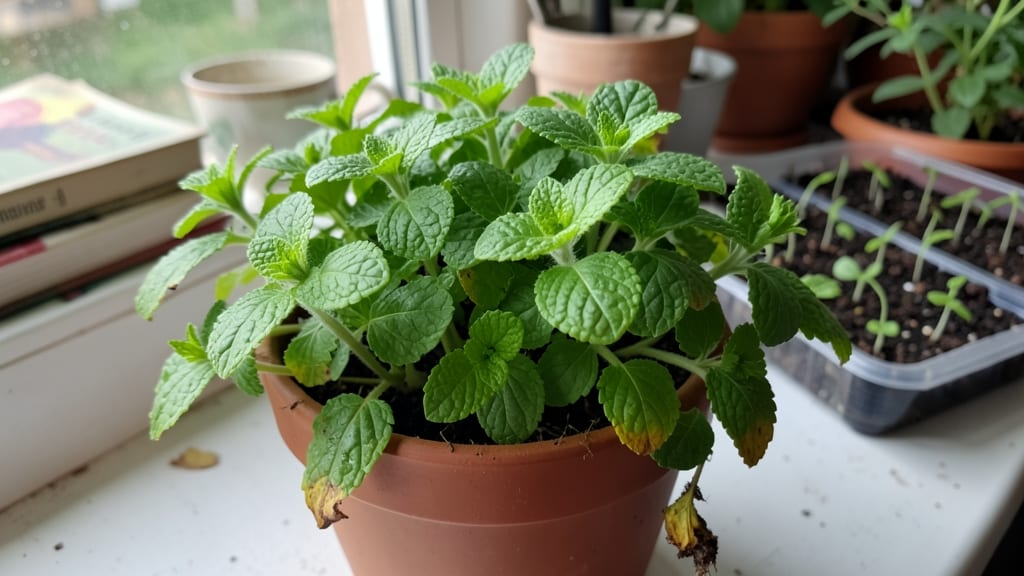
The mint plant germination process is deceptively quick—once you crack the code, those seeds sprout in just 5-7 days. I’ve tested every method, and the fastest results come from a warm, humid start with a little mechanical help.
The key isn’t patience here, it’s prep: soaking seeds overnight and using the right soil mix cuts waiting time nearly in half.
You’ll need a shallow tray, moistened seed-starting mix, and a clear plastic lid or humidity dome to trap warmth. Keep the soil at 75-80°F—a seedling heat mat does this automatically, but a sunny windowsill works too if you’re patient.
The soil should stay damp but never soggy; mist it lightly every other day. Most gardeners overwater here, and that’s how you lose your first batch.
Once those first tiny leaves appear—round and fuzzy, not the sharp edges of true mint—you’ll know you’re on track. They’ll grow fast after that, doubling in size every week if you keep them warm and well-lit.
The real magic happens when you transplant them to soil or containers, where they’ll spread aggressively. Just be ready for that.
This method works for all mint varieties—spearmint, peppermint, even chocolate mint—but the speed varies slightly. If your seeds take longer than two weeks, check the temperature and moisture. The good news? Once they sprout, mint grows like a weed. Now let’s get those seeds going.
📚 In This Guide
- What you need
- Instructions
- Tips and common mistakes
- Wrapping up and next steps
What you need
- ● Mint Seeds: 1 packet (50–100 seeds) of Mentha spp. (e.g., peppermint, spearmint, or chocolate mint).
- ● Pro tip: 🌡️ Opt for organic, non-GMO seeds for healthier growth.
- ● Seed Starting Containers: 2–4 biodegradable pots (2–3 inches deep) OR
- ● A seed tray with drainage holes (for batch planting).
- ● Growing Medium: 1–2 cups of seed-starting mix (sterilized, peat-free if possible).
- ○ Optional: Mix in perlite or vermiculite (10–20%) for aeration.
- ● Tools: Small hand trowel or spoon (for planting).
- ● Spray bottle (for gentle watering).
- ● Plastic wrap or humidity dome (to retain moisture).
- ● Light: A south-facing window or grow light (12–16 hours/day).
- ● Temperature: Keep soil between 65–75°F (18–24°C) for optimal germination.
- ● Humidity: High humidity (use a humidity tray or mist seeds daily).
- ● Water: Room-temperature, dechlorinated water (let tap water sit 24 hours or use filtered water).
- ● Seedling heat mat (speeds up germination by 5–7 days).
- ● Fertilizer: Diluted fish emulsion (1 tsp/gallon) after sprouts appear.
- ● Label markers (to track varieties).
- ● Mint companion plants (e.g., basil or thyme) for natural pest control.
Step-by-Step instructions for mint plant germination
Here's how to get your mint sprouting in record time with minimal fuss.
Prepare the Germination Container
Start with a shallow tray or small pots—mint seeds are tiny, so shallow containers prevent overcrowding. Fill it with the moistened seed-starting mix until it reaches just below the rim. Press down lightly so the surface is firm but not compacted. This ensures good contact between seeds and soil, which speeds up germination.
Use a spray bottle to mist the surface until it's evenly damp—not soggy. You'll know it's right when water beads form on top but don't pool. Cover the tray with plastic wrap or a humidity dome to trap warmth and moisture. Mint seeds germinate fastest in warmth (70-75°F), so place the tray in a warm spot like on top of the fridge or near a sunny window.
Sow the Seeds Correctly
Scatter the mint seeds thinly across the surface—don't press them in. They need light to germinate, so covering them with soil will slow things down. Space them about ¼ inch apart to avoid overcrowding later. A gentle spray bottle mist ensures they stay in place without burying them.
Once sown, keep the plastic wrap or dome in place. Check daily for condensation—if it's heavy, lift the cover for 10 minutes to prevent mold. You'll see tiny sprouts in 7-14 days, depending on warmth. If germination takes longer, increase the temperature slightly or move the tray to a warmer spot.
Provide Optimal Light and Airflow
As soon as sprouts appear, remove the plastic wrap immediately. Mint seedlings need airflow to prevent damping-off, a fungal disease that causes stems to collapse. Place the tray under bright, indirect light for the first week—direct sun can scorch delicate seedlings.
After a week, gradually introduce 4-6 hours of morning sun daily. Strong light prevents leggy growth, which happens when seedlings stretch toward weak light. You'll know they're getting enough when leaves are dark green and compact. If they stretch or lean, move the tray closer to the light source.
Thin and Transplant Young Seedlings
When seedlings have 2-3 sets of true leaves (about 3-4 weeks after sowing), thin them to 2 inches apart. Use scissors to snip unwanted seedlings at soil level—pulling can disturb roots. This prevents competition and gives remaining plants room to grow.
Once seedlings are 4-6 inches tall, transplant them into individual pots with 4-6 inches of soil depth. Mint spreads aggressively, so give each plant its own container or a large planter if growing multiple. Water thoroughly after transplanting to settle the soil around roots.
Maintain Fast Growth Conditions
Keep the soil consistently moist but not waterlogged. Mint prefers 1 inch of water per week, so check the top inch of soil daily—water when it feels dry. Overwatering leads to root rot, while underwatering causes leaves to yellow.
Fertilize lightly every 4-6 weeks with a balanced, water-soluble fertilizer diluted to half strength. Mint grows quickly, so regular feeding encourages lush foliage. You'll notice rapid growth within weeks—harvest leaves as needed, but avoid cutting more than ⅓ of the plant at once to maintain vigor.
Tips & tricks for perfect mint plant germination
Here's how to accelerate your mint growth and avoid the most common pitfalls that slow down germination.
Temperature Control: The 70-75°F range is critical for speedy germination, but don't overlook consistency. If your home runs cooler, place the tray on top of the fridge or use a seedling heat mat. I've seen germination cut from 14 days to just 7 days by maintaining this steady warmth—especially during cooler evenings. A simple way to check is to place your hand near the tray; if it feels warm but not hot, you're in the ideal range.
Light Exposure Strategy: Mint seeds need light to germinate, but too much direct sun too soon can scorch them. After removing the plastic wrap in Step 3, position your tray where it gets bright but indirect light for the first week. I use a north-facing window or place my tray under my grow lights on low setting. This gradual introduction prevents shock while still providing enough light for those tiny seedlings to find their way.
Moisture Management: The 10-minute ventilation trick in Step 2 is your best defense against mold. I've had trays develop fuzzy mold growth when condensation built up too much. To avoid this, lift that plastic wrap daily and let it air out for exactly 10 minutes—no more, no less. You'll know it's time when you see water droplets forming on the plastic. This quick breath of fresh air prevents mold while maintaining the humidity mint seeds crave.
Thinning Technique: When you're thinning seedlings in Step 4, don't be tempted to pull them out by hand. I learned this the hard way—pulling can disturb the delicate root systems of nearby seedlings. Instead, use clean scissors to snip at soil level. This clean cut prevents damage to your remaining plants and gives you straighter, stronger seedlings that'll grow faster once transplanted.
Pro Tips for Mint Plant Germination
- Here's how to accelerate your mint growth and avoid the most common pitfalls that slow down germination.
- Temperature Control: The 70-75°F range is critical for speedy germination, but don't overlook consistency.
- Light Exposure Strategy: Mint seeds need light to germinate, but too much direct sun too soon can scorch them.
Frequently asked questions
Got questions about mint germination?
You’re not alone! Here are answers to the most common queries—so you can grow mint like a pro.
How long does it take for mint seeds to germinate?
Most mint seeds sprout within 14–30 days under ideal conditions (warmth, moisture, and light). If you’re impatient, try soaking seeds overnight or using a heat mat to speed things up. Patience pays off—just keep the soil consistently damp!
Why aren’t my mint seeds germinating?
Common culprits include cold soil (mint loves warmth, 70°F+), dry soil, or old seeds. Try these fixes:
- Move pots to a sunny windowsill or under grow lights.
- Cover seeds with a thin layer of moist (not soggy) soil.
- Test seed viability—if they’re over 2 years old, buy fresh ones!
Can I grow mint from cuttings instead of seeds?
Cuttings root faster (2–4 weeks) and are easier for beginners. Snip a 4–6 inch stem, strip the lower leaves, and place it in water or moist soil. Keep it humid (use a plastic bag!) until roots form. Pro tip: Use softwood cuttings from new growth.
How often should I water mint seeds?
Keep soil consistently moist (like a damp sponge) but avoid waterlogging. Mist seeds lightly daily or use a spray bottle to prevent crusting. Once sprouted, water when the top inch feels dry—mint hates soggy roots but thrives on hydration!
Is mint hard to grow from seed?
Not at all! While mint can be finicky with seeds, it’s one of the easiest herbs to propagate. Start with fresh seeds, use well-draining soil, and give it warmth. For faster results, try cuttings or buy a starter plant. Even beginners see success with mint!
Wrapping up and next steps
Growing mint from seed is a rewarding journey—packed with speed, ease, and fragrant success! With the right soil, warmth, and patience, you’ll soon enjoy lush, fast-growing plants perfect for teas, garnishes, or even pest control. 🌱✨
Ready to take the next step? Once your seedlings sprout, transplant them into containers or garden beds and watch them thrive! Need more tips? Explore our guide on mint care for beginners to keep your plants happy and healthy.