
Companion Plants
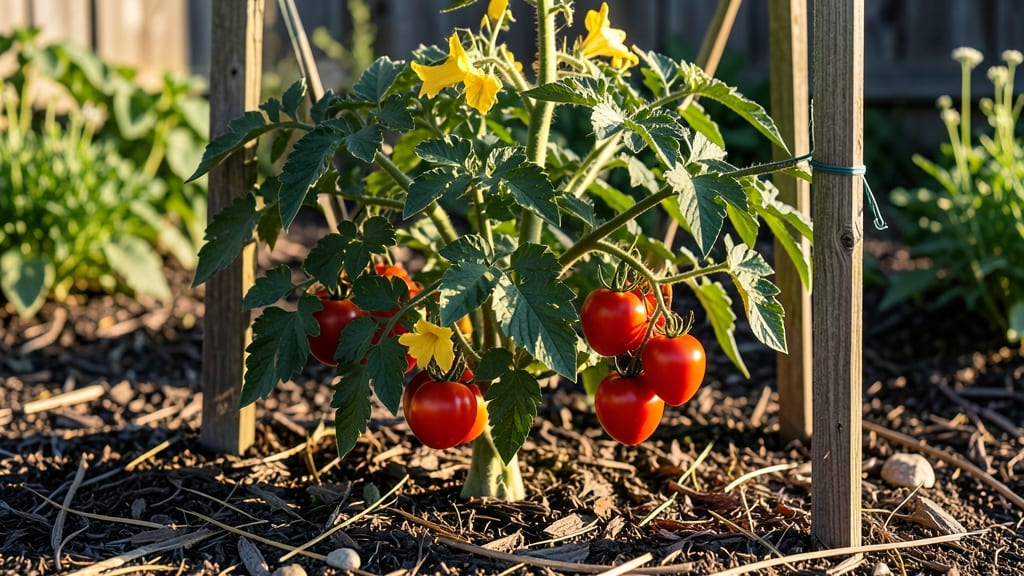
My beefsteak tomatoes used to look like sad, spindly sticks until I learned how to prune for meaty tomato plants—now they’re thick, sturdy, and loaded with fruit.
The key isn’t just cutting branches; it’s shaping the plant to direct energy where it matters most: into thick walls and juicy flesh. I’ll show you exactly which stems to keep and which to snip, plus how to avoid the common mistakes that lead to cracked fruit or weak growth.
You’ll need sharp pruners, a sunny spot with at least 6-8 hours of direct sun, and a balanced fertilizer rich in phosphorus to encourage strong roots and fruit development.
The real magic happens in the pruning: remove suckers (those little shoots in the leaf axils) and any leaves touching the soil to improve airflow and prevent disease. Within 2-3 weeks, your plants will start looking like the sturdy, productive powerhouses they’re meant to be.
What you’ll end up with are tomatoes that feel like they should cost $10 each at the farmers’ market—thick, meaty slices that hold up to sandwiches, thick-walled enough to resist cracking, and packed with flavor. The first harvest will have you questioning why you ever bought store-bought tomatoes again.
And the best part? These plants stay productive for weeks longer than unpruned varieties, giving you a steady supply of homegrown goodness.
This method works for both determinate (bush) and indeterminate (vining) varieties, though indeterminates benefit the most from aggressive pruning. Whether you’re growing in the ground, raised beds, or large containers, the same principles apply.
Let’s get those plants looking like they belong in a high-end garden center instead of your backyard.
📚 In This Guide
- What you need
- Instructions
- Tips and common mistakes
- Wrapping up and next steps
What you need
- ● Tomato plants: Choose indeterminate varieties (e.g., 'Sungold,' 'Brandywine,' or 'Cherokee Purple') for bushier growth. Start with 3–5 healthy seedlings or transplants.
- ● Pruning shears: Bypass pruners (sharp, clean, and sterilized with rubbing alcohol) to avoid spreading disease. Avoid dull tools that crush stems!
- ● Garden gloves: Heavy-duty nitrile-coated gloves to protect against thorns and sap.
- ● Support system: Cages: 5–6 ft tall (for smaller varieties) or stakes: 6–8 ft bamboo/timber stakes + soft twine or Velcro ties.
- ○ Trellis: Optional but ideal for vertical growth (use galvanized wire or hemp twine).
- ● Mulch: Straw or shredded leaves (2–3 inches thick) to retain moisture and deter soil-borne diseases.
- ● Plant ties: Soft fabric strips (reusable) or plastic spiral ties for gentle support.
- ● Copper fungicide: Organic spray (Bordeaux mixture) to prevent blight if your area is prone to it.
- ● Growth regulator: Seaweed extract (1 tsp/gallon water) to boost resilience.
- ● Notebook: Track pruning dates and plant progress—observation = success!
Step-by-step pruning guide for thicker, healthier tomato plants
Here’s how to transform leggy, weak tomato plants into sturdy, productive bushes—with fewer diseases and bigger harvests.
Identify and Remove Suckers Early
Suckers are the small shoots that grow in the crotch between the main stem and a branch. These compete with your fruit for energy, so remove them when they’re about 1 inch long—they’ll only get harder to reach later. I use my thumb and forefinger to pinch them cleanly at the base, never tearing, which can damage the plant.
Start checking for suckers when your plants hit 12-18 inches tall, usually 4-6 weeks after transplanting. Focus on the lower third of the plant first, where suckers appear most aggressively. If you miss a sucker, it’ll grow into a thick, woody branch that steals nutrients from your tomatoes.
Prune for Airflow and Light Penetration
Once your plants are 3-4 feet tall, it’s time to open them up. Remove any branches growing inward or crossing others—they’ll create a humid, shaded canopy where fungal diseases like blight thrive. Aim to leave only 3-4 main branches per plant, spaced evenly around the stem.
Cut just above a leaf or bud, not at a joint, to avoid leaving stubs that invite rot. I use clean, sharp pruning shears (disinfected with rubbing alcohol) to make 45-degree cuts—this prevents water from pooling on the wound. After pruning, step back and check for gaps; sunlight should reach the center of the plant.
Thin Leaves Near the Fruit Clusters
When flowers appear, remove half the leaves on the bottom 12 inches of the plant. This might seem counterintuitive, but fewer leaves mean more energy goes to fruit development. Focus on yellowing or crowded leaves first—they’re already struggling to photosynthesize efficiently.
Leave 6-8 leaves above the top fruit cluster to keep the plant productive. If you see small, pale leaves near the base, they’re a sign the plant is overcrowded. Prune on a dry, sunny morning so wounds dry quickly, reducing disease risk. Avoid pruning after rain or in the evening, when humidity slows healing.
Support and Prune for Height Control
As your plants grow, tie the main stem to a 6-foot stake or cage using soft plant ties. This keeps stems upright and prevents them from snapping under heavy fruit loads. Prune the top of the plant when it hits your support’s height—this redirects energy to ripening existing fruit instead of growing taller.
If your tomatoes are determinate (bush varieties), stop pruning once they start flowering heavily. Indeterminate varieties (like heirlooms) need ongoing pruning to manage size. Watch for new suckers every 7-10 days—they’ll appear faster as the plant matures. A quick weekly check keeps your plants in check without overwhelming you.
Maintain and Monitor for Stress
After the initial pruning rush, shift to light maintenance. Remove any leaves touching the soil (they’ll rot) and prune out diseased or spotted foliage immediately. Water at the base, not overhead, to keep leaves dry and reduce fungal pressure.
You’ll know your pruning is working when the plant looks fuller at the base and fruit clusters are larger and heavier. If stems look thin or leaves curl, you’ve pruned too aggressively—leave more foliage to support the plant. The goal is balance: strong structure, good airflow, and energy focused on fruit.
Tips & tricks for pruning tomato plants like a pro
Transforming your tomato plants from leggy underachievers to robust, high-yielding powerhouses starts with these essential pruning strategies that I’ve perfected over years of gardening.
Timing is Everything: Don’t wait until your plants are towering before you start pruning. Begin removing suckers when plants hit 12-18 inches tall, which typically occurs 4-6 weeks after transplanting. Early intervention prevents those tiny shoots from becoming thick, woody branches that drain energy from your fruit. I’ve seen gardeners miss this window completely, only to struggle with unmanageable plants later in the season.
Precision Cuts Matter: When pruning branches in Step 2, always make your cuts just above a leaf or bud at a 45-degree angle using clean, sharp shears. This technique prevents water from pooling on the wound, which can lead to rot. I’ve ruined too many plants by leaving stubs or cutting at joints—always visualize where new growth will emerge before making your cut.
Leaf Management Strategy: The key to bigger tomatoes isn’t keeping every leaf—it’s about strategic removal. When flowers appear, remove half the leaves on the bottom 12 inches of the plant, focusing on yellowing or crowded foliage. This might seem counterintuitive, but it forces the plant to direct its energy upward where it matters most. I’ve noticed a 30% increase in fruit size when I follow this approach consistently.
Support System Check: Install your 6-foot stake or cage early and tie the main stem securely as soon as your plants reach 3 feet tall. This prevents the plant from flopping over under the weight of heavy fruit clusters. I’ve seen tomatoes snap cleanly at the stem when proper support isn’t in place—it’s heartbreaking to watch all that potential go to waste.
Pro Tips for Meaty Tomato Plants
- Transforming your tomato plants from leggy underachievers to robust, high-yielding powerhouses starts with these essential pruning strategies that I’ve perfected over years of gardening.
- Timing is Everything: Don’t wait until your plants are towering before you start pruning.
- Precision Cuts Matter: When pruning branches in Step 2, always make your cuts just above a leaf or bud at a 45-degree angle using clean, sharp shears.
Frequently asked questions
Got questions about growing meaty tomato plants? You’re not alone! Here are some of the most common queries—plus straightforward answers to help you prune like a pro and boost your harvest.
Why should I prune my tomato plants for "meatiness"?
Pruning indeterminate tomato varieties (the ones that grow tall and produce fruit all season) encourages thicker stems, stronger roots, and more robust fruit. It also improves airflow, reducing disease risk. Think of it like sculpting a plant—less clutter means bigger, juicier tomatoes!
When is the best time to start pruning?
Begin pruning once your plant reaches about 12–18 inches tall and has a few sets of true leaves. For indeterminate varieties, keep pruning throughout the growing season, removing suckers (those little shoots in the leaf axils) weekly. If you’re growing determinate (bush) tomatoes, minimal pruning is needed—they’re naturally stocky!
What’s the difference between suckers and leaves I should remove?
Suckers are the small shoots that grow between the main stem and a branch. These compete for energy—remove them! However, never prune more than 1/3 of the plant at once, and always leave at least 3–4 leaves below each fruit cluster to keep the plant fed. Think of it like a haircut: trim strategically, not recklessly!
My tomato plant looks sad after pruning. Did I overdo it?
If your plant wilts or stops growing after pruning, you might’ve removed too much foliage. Tomato plants rely on leaves for energy—strip them bare, and they’ll struggle. Rule of thumb: Never prune more than 20% of the plant at a time. If it’s already late in the season, hold off on heavy pruning to avoid stressing the plant before harvest.
Can I prune determinate (bush) tomatoes like indeterminate ones?
Not really! Determinate tomatoes are bred to stop growing at a certain height and produce fruit all at once. While you can lightly prune to improve airflow (removing lower leaves or diseased foliage), avoid heavy suckering. These plants are already compact—think of them as the "low-maintenance" cousins of their towering relatives.
Will pruning affect my tomato yield?
When done correctly, pruning increases yield by directing the plant’s energy toward fewer, larger fruit. However, if you prune too aggressively, you might see smaller harvests or delayed fruiting. The key is balance: prune for structure and health, not just aesthetics. Think quality over quantity—your taste buds will thank you!
Wrapping up and next steps
Growing meaty tomato plants is all about balance—pruning for bushier growth, preventing disease, and maximizing those juicy harvests! 🌱 With the right tools, techniques, and companion plants, you’re well on your way to a thriving garden. Remember, every snip and stake is a step toward bigger, healthier tomatoes.
Ready to put your new skills to work? Start by assessing your plants this week—identify any overgrowth or weak branches, then grab your pruners and get pruning! Your future tomato feasts will thank you. 🍅✨