
Pruning
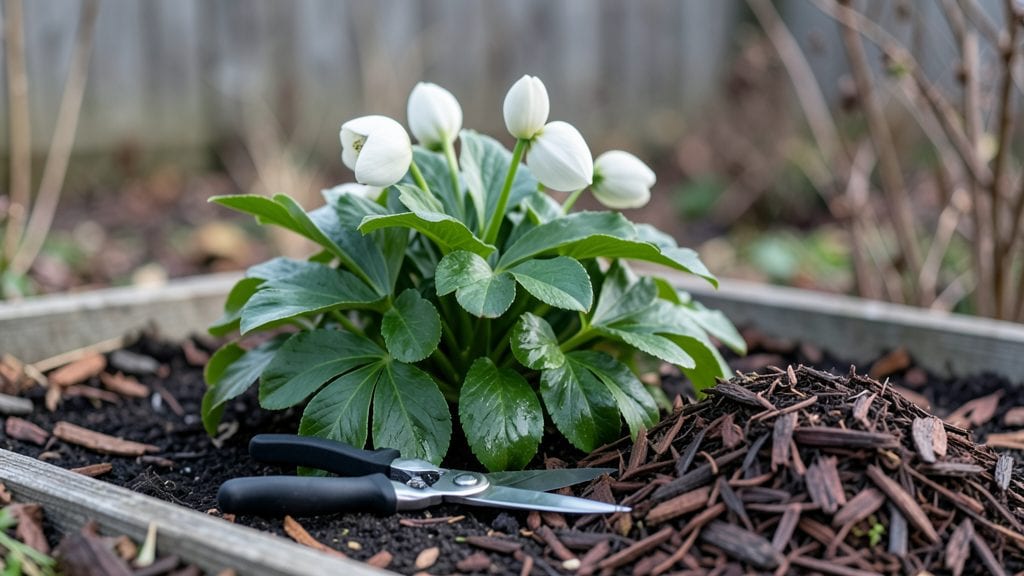
Pruning hellebore plants might seem intimidating, but it’s the secret to next year’s showstopper blooms—✨ and the results are worth every minute. Most gardeners skip pruning entirely, but hellebores reward even the lightest touch with bigger, bolder flowers.
The best time to prune is right after blooming, typically in late spring or early summer. Grab clean pruners and focus on removing old foliage and spent flower stalks—never cut into fresh growth.
This simple step clears space for new leaves and next season’s flower buds, which form beneath the surface. Over-pruning is the real danger, so think “less is more” when snipping.
By summer’s end, your hellebores will look refreshed and ready for winter. The new foliage stays healthier, pests have fewer hiding spots, and those iconic blooms return with even more drama.
It’s a 10-minute task that pays off for years—once you see the difference, you’ll never look at these plants the same way again.
Works for all hellebore varieties, from classic dark blooms to chartreuse chartbusters. Here’s exactly how to do it without hesitation—no more guessing, just confident pruning.
📚 In This Guide
- What you need
- Instructions
- Tips and common mistakes
- Wrapping up and next steps
What you need
- ● Pruning shears or bypass pruners: Choose sharp, clean tools with bypass blades (avoid anvil pruners to prevent crushing stems). A 5-inch pair works well for most hellebores.
- ● Garden gloves: Opt for nitrile-coated or leather gloves (size medium to large) to protect against thorns and dirt.
- ● Disinfectant (rubbing alcohol or 10% bleach solution): A small spray bottle or cloth for sterilizing tools before and after each cut.
- ● Compost or mulch: A 5-gallon bucket of well-aged compost or organic mulch (like shredded bark) to refresh the soil post-pruning.
- ● Watering can or hose: With a gentle spray nozzle to hydrate plants after trimming.
- ● Hand lens or magnifying glass: For inspecting stems and buds up close (especially if dealing with pests or diseases).
- ● Pruning saw: For thick, woody stems (rare in hellebores but useful for mature plants).
- ● Marking twine or flags: To label plants if you’re experimenting with different pruning techniques.
- ● Knee pads or stool: For comfort if your hellebores are in a hard-to-reach spot.
Step-by-step instructions for pruning hellebore plants
Here's how to revive your hellebores and coax next year's showstopping blooms.
✂️ Step 1: Identify and Remove Spent Blooms
Hellebores bloom on last year's growth, so timing matters. Wait until after the current season's flowers fade but before new foliage emerges—typically late spring to early summer. Look for browned or dried flower stems; these are ready to go. Use clean, sharp pruners to snip stems at the base, about ½ inch above the ground. This prevents disease while keeping the plant's energy focused on foliage and next year's buds.
Don't rush—if you prune too early, you risk removing next season's flower buds hidden among the leaves. I always check for small green buds still forming; if they're there, wait a few weeks. The goal is to leave the plant looking tidy without sacrificing future blooms.
✂️ Step 2: Thin Overcrowded Foliage
Hellebores multiply quickly, and dense clumps produce fewer, smaller flowers. In early fall (after blooming), inspect your plants for yellowing or weak leaves at the center—these are signs of overcrowding. Gently dig up the entire plant and separate the crowns into smaller sections, ensuring each has 3-5 healthy leaves. Replant the strongest divisions immediately, spacing them 6-8 inches apart for airflow.
Real talk: If you skip this step, your hellebores will eventually flower less dramatically. I've found that dividing every 3-4 years keeps them vigorous. Water deeply after replanting to reduce transplant shock, and mulch with 2-3 inches of organic mulch to retain moisture.
🌿 Step 3: Clean Up Debris and Prevent Disease
After pruning, rake away all fallen leaves and spent flower stems from the base of the plant. Hellebores are prone to slug damage and fungal issues, so remove debris that could harbor pests or pathogens. I use a sterilized pair of gloves when handling plants to avoid spreading contaminants. If you notice black spots or mold, prune those areas aggressively and consider a copper fungicide spray for prevention.
This is also the time to check for pests like vine weevils—look for notched leaves or small grubs in the soil. If you spot them, treat with neem oil or beneficial nematodes before replanting. A clean workspace and tools are your first line of defense against future problems.
☀️ Step 4: Adjust Light and Water for Recovery
Hellebores thrive in partial to full shade, but after pruning, they need consistent moisture to recover. Water deeply once a week (more in hot, dry spells) until new growth appears. The soil should stay evenly moist but not soggy—hellebores hate waterlogged roots. I like to soak the base until water drains from the bottom of the pot (if container-grown) or seeps into the surrounding soil.
For container-grown hellebores, ensure pots have drainage holes and use a well-draining potting mix. If your plant is in the ground, amend the soil with compost to improve drainage. Avoid fertilizing immediately after pruning—wait until new growth emerges in early spring to apply a balanced, slow-release fertilizer.
⏰ Step 5: Monitor for New Growth and Plan Ahead
Within 4-6 weeks, you should see new leaves unfurling from the center of the plant. This signals successful pruning and recovery. If growth is slow, check for adequate shade—too much direct sun can stress hellebores. I always mark pruned plants with a small stake to remember where they are, as their subtle foliage can blend into the garden.
Here's the thing—hellebores reward patience. The flowers you see next spring will be boldest and healthiest if you prune correctly now. Keep an eye out for flower buds forming in late summer (they look like tiny green nubs). These are your future blooms, so avoid heavy pruning until they've fully developed.
Tips & tricks for perfect hellebore pruning
Pruning hellebores the right way transforms a modest display into next year's garden centerpiece. Here's what I've learned after years of trial and error.
Timing is Everything: The late spring to early summer window for deadheading is non-negotiable. I've ruined future blooms by cutting too early—always check for those tiny green buds forming among the leaves. If they're present, wait another week. The goal is to remove only what's truly spent while preserving next season's potential.
Tool Precision Matters: Your pruners should be as sharp as possible—dull blades crush stems instead of making clean cuts. I sterilize mine with rubbing alcohol between plants to prevent cross-contamination. For thick stems, I make two cuts: first at a 45-degree angle, then straight across. This technique prevents tearing and promotes faster healing.
Dividing Strategy: When thinning overcrowded foliage in early fall, aim for divisions with 3-5 healthy leaves each. The key is to work quickly—hellebores don't like being out of the ground for long. I've found that using a clean, sharp spade makes this process much easier. After replanting, the 6-8 inch spacing is crucial for airflow, which prevents fungal issues that can plague dense clumps.
Recovery Care: That once-a-week watering guideline is your baseline, but don't be afraid to adjust. In my hot, dry climate, I water every 3-4 days during summer recovery. The soil should stay moist but never soggy—hellebores have delicate roots that rot easily. I always check drainage by pressing my finger 2 inches into the soil; if it's dry, it's time to water.
Pro Tips for Pruning Hellebore Plants
- Pruning hellebores the right way transforms a modest display into next year's garden centerpiece.
- Timing is Everything: The late spring to early summer window for deadheading is non-negotiable.
- Tool Precision Matters: Your pruners should be as sharp as possible—dull blades crush stems instead of making clean cuts.
Frequently asked questions
Got questions about pruning your hellebores? You’re not alone—these stunning perennials can be a little mysterious! Here’s what gardeners ask most often, along with straightforward answers to keep your plants thriving.
When is the best time to prune hellebores?
Prune hellebores after they’ve finished blooming in late spring or early summer. This gives you time to enjoy their flowers while ensuring you don’t accidentally cut off next year’s buds. Avoid pruning in fall—it can leave plants vulnerable to winter damage.
Do I need to deadhead hellebores?
Deadheading (removing spent blooms) isn’t strictly necessary for hellebores, but it encourages cleaner foliage and can redirect energy to next season’s growth. Focus on cutting back only the unsightly or wilted flowers—never trim healthy leaves or buds!
What if I prune too late or too much?
Over-pruning or cutting too late can stress hellebores, reducing next year’s blooms. If you accidentally trim too much, don’t panic—they’re hardy! Just avoid heavy cuts in fall/winter. For severe mistakes, skip pruning that season and focus on care (water, mulch) to help recovery.
Can I prune hellebores in winter?
Nope! Winter pruning is a big no-no for hellebores. Their foliage provides winter protection, and cutting it back exposes tender growth to frost. Wait until spring or summer—when new growth signals it’s safe to tidy up.
What if my hellebores look ragged but aren’t blooming?
If your hellebores have messy leaves but no flowers, they might be evergreen hellebores (like Helleborus foetidus), which bloom on old wood. Skip pruning—focus on dividing overcrowded clumps in early spring instead. For non-bloomers, check light/water needs first!
Wrapping up and next steps
Pruning your hellebore plants doesn’t have to be intimidating—it’s all about timing, technique, and a little patience. 🌿 By deadheading spent blooms and trimming back foliage strategically, you’ll encourage healthier growth and stunning flowers next season.
Whether you’re a seasoned gardener or just starting out, these steps will help you master the art of hellebore care with confidence!
Ready to see your garden thrive? Grab your pruners, mark your calendar, and give your hellebores the TLC they deserve—your future blooms will thank you!