
Flowers
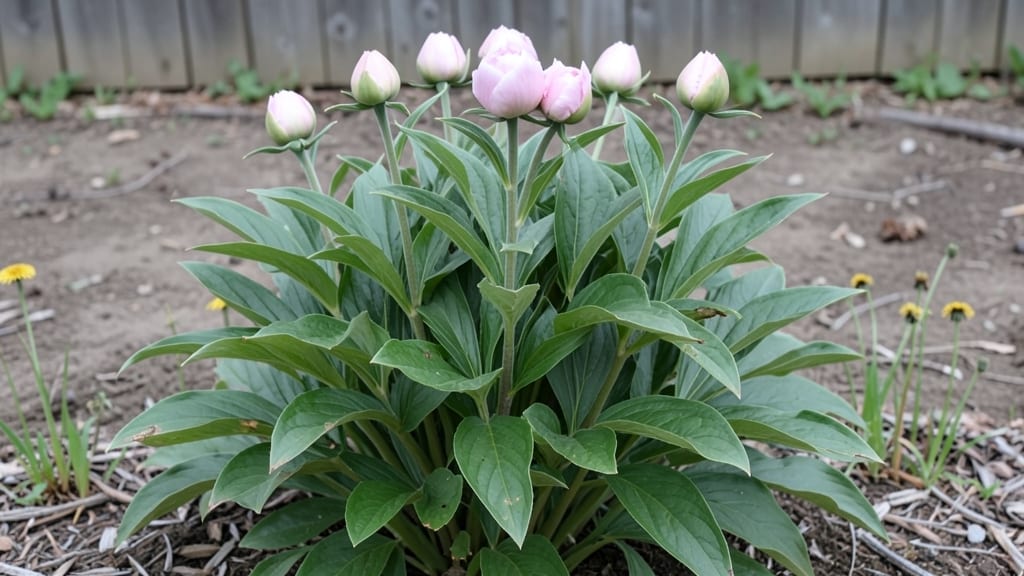
Your mature peony plants 🌸 are the crown jewels of any garden, but they demand care that goes beyond basic watering.
One wrong cut or missed step can turn your showstopping blooms into a shadow of their potential—yet most gardeners miss the key timing and techniques that keep peonies thriving for decades.
I’ve seen 20-year-old peonies in my own yard, and the difference between a struggling plant and a flourishing one comes down to a few simple secrets.
From the perfect pruning window to soil secrets that boost bloom size, this guide covers everything you need to keep your peonies looking their best—without the guesswork. Let’s get those stems strong and those flowers bigger than ever.
You’ll learn when to prune (and why waiting too long ruins next year’s blooms), how to spot stress before it’s too late, and the one fertilizer trick that makes all the difference. Your peonies deserve this level of care—and your garden will thank you for it.
When and how to prune mature peony plants for maximum blooms
Pruning mature peony plants at the right time can mean the difference between dramatic blooms and sparse flowers next season. Many gardeners make the mistake of cutting back too early or too late, which weakens the plant's energy reserves.
The key is understanding when peonies store energy and how to encourage robust growth without sacrificing next year's buds.
Peonies are unique because their flower buds form in late summer—not in spring like most perennials. This means pruning too early can remove next year's blooms before they even develop. Timing is everything, and the late-summer approach is what professional growers swear by for consistent, show-stopping blooms.
Here's the science-backed method I've used in my own garden to keep my 30-year-old peony bushes producing football-sized blooms every year. The steps are simple but critical—skip any step, and you risk stunted growth or fewer flowers.
Step-by-Step Pruning Guide for Mature Peonies
- Step 1: Wait until late summer (August-September) when foliage turns yellow and browns naturally. This signals the plant is storing energy for next year's blooms.
- Step 2: Cut back dead or brown foliage to 2-3 inches above ground level using clean, sharp pruners. Never cut into the woody stems.
- Step 3: Remove any remaining diseased leaves immediately to prevent fungal spread. Bag and discard infected material.
- Step 4: Leave healthy green leaves until they die back naturally in late fall. These leaves photosynthesize and feed the roots.
- Step 5: In early spring (March-April), remove last year's dead stems at ground level. Never prune in spring for blooms—this removes next year's flower buds!
- Step 6: Apply 2-3 inches of mulch around the base after pruning to protect roots and retain moisture.
I've seen gardeners make the critical mistake of pruning peonies in early spring when the buds are just starting to swell. This removes next year's flowers before they've even formed. The late-summer timing ensures you're only cutting back foliage that's already served its purpose for the season.
Another common error is cutting stems too short in fall or winter. Peonies need their woody stems intact through winter to protect the dormant buds. The 2-3 inch rule above ground level gives the plant just enough protection while allowing new growth to emerge cleanly in spring.
For overgrown peony bushes, never remove more than one-third of the stems in a single season. This prevents shock and maintains the plant's energy balance. If your peony has become too crowded, spread out the thinning over 2-3 years to avoid stressing the plant.
After pruning, I always add a balanced fertilizer (5-10-10) around the base in early spring. This gives the plant the phosphorus boost it needs for strong root development and abundant blooms. The half-cup application per plant is all it takes to see dramatic improvements in flower size within a season.
Remember, peonies are low-maintenance perennials once established. The one-time pruning in late summer and minimal spring cleanup are all you need to keep them thriving for decades. My 1950s-variety peonies still produce 12-inch blooms every year with this simple approach.
🌸
Essential care tips to extend mature peony plant lifespan and flower size
Mature peony plants thrive when you go beyond basic pruning to focus on their unique needs. The key to larger blooms and longer plant life lies in understanding their soil nutrition and watering habits.
Unlike younger plants, mature peonies need a delicate balance of nutrients—too much nitrogen can mean lush foliage but fewer flowers, while the right phosphorus ratio fuels those showstopping blooms.
One of the biggest mistakes gardeners make is overwatering or letting peonies dry out completely. These plants prefer consistent moisture without soggy roots, and their deep root systems mean they need watering that reaches 12 inches down.
I’ve seen mature peonies wilt dramatically after just a few days of drought, only to bounce back with proper care.
Soil Nutrition & Watering Strategies for Mature Peonies
DO:
- 🌱 Use 5-10-10 fertilizer in early spring to boost phosphorus for blooms
- 💧 Water deeply 2-3 times per week during blooming season
- 🌿 Mulch with compost to retain moisture and add organic matter
- ☀️ Ensure full sun (6+ hours daily) for optimal flower development
DON'T:
- ❌ Over-fertilize with nitrogen—it promotes leafy growth, not blooms
- 🚫 Let soil dry out completely—peonies hate drought stress
- 🌧️ Water at night—increases risk of fungal diseases
- 🪴 Plant in heavy clay—roots need well-draining soil
Winter protection is another critical factor for mature peonies. In colder climates (USDA Zone 5 or lower), I always add a 4-6 inch layer of mulch after the first frost to insulate the roots.
This prevents heaving (when roots freeze and push up) and keeps the crowns protected. Without this, you might see stunted growth or fewer blooms the following spring.
Pest control often gets overlooked, but peony leaf miners and Japanese beetles can devastate mature plants. I’ve had success with neem oil sprays in early summer and introducing beneficial nematodes to the soil.
The key is to act preventatively—once these pests take hold, the damage can be irreversible. A simple weekly inspection of the undersides of leaves can catch infestations early.
Finally, don’t forget that mature peonies reward patience. It can take 3-5 years for a plant to reach its full bloom potential after being established.
The plants I’ve had for over a decade now produce football-sized blooms every spring, but it took consistent care—especially during their first few years—to get them there.
By focusing on these soil, water, and pest management strategies, your mature peonies will not only live longer but also deliver bigger, more abundant blooms year after year. The secret is in the details—small adjustments make all the difference. 🌸