
Vegetables
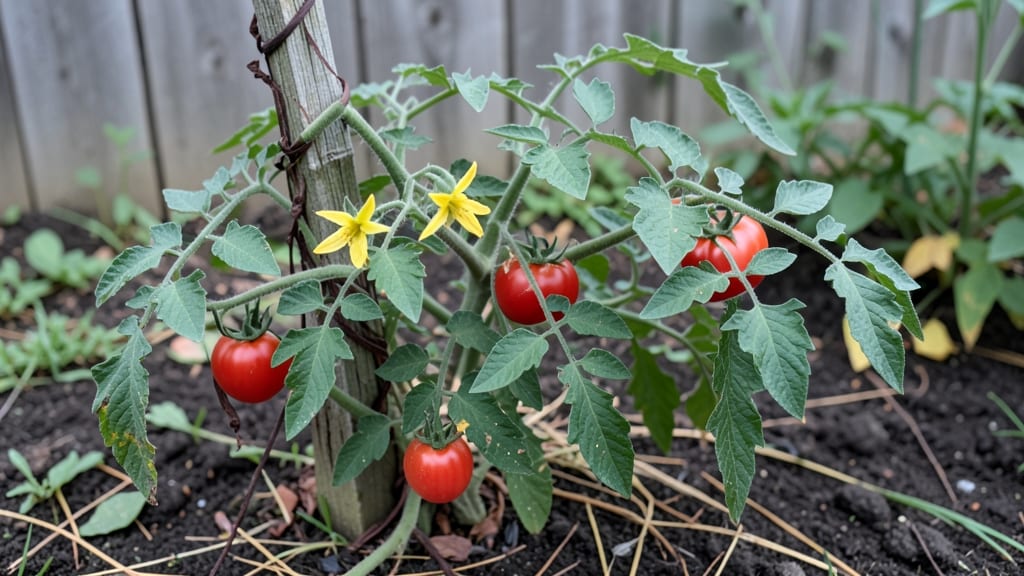
Growing a litchi tomato plant 🍅 lets you enjoy candy-like cherry tomatoes from a vine that thrives in small spaces—no sprawling garden required.
Imagine harvesting clusters of sweet, cherry-sized tomatoes that taste like candy—all from a compact vine that fits perfectly in small gardens or containers. The litchi tomato plant delivers exactly that, but only if you follow the right care techniques.
This hybrid variety is perfect for USDA Zone 6a gardeners, offering 70 days to harvest after planting in spring. Whether you’re working with containers or a tiny balcony, its manageable size and high yield make it a game-changer for urban growers.
In this guide, you’ll learn the key steps to planting, watering, and fertilizing for maximum fruit production—plus how to troubleshoot common issues before they derail your harvest.
Litchi tomato plant characteristics: why this compact variety stands out
The litchi tomato plant is a game-changer for gardeners with limited space. Unlike traditional indeterminate tomato varieties, this compact hybrid grows in a bush-like habit while producing cherry-sized fruit with a candy-like sweetness.
Its unique traits make it perfect for containers, balconies, and small urban gardens where space is at a premium.
What truly sets the litchi tomato apart is its dual-purpose nature. It’s not just a decorative vine—it’s a high-yielding producer of 1-inch tomatoes that cluster like grapes. The flavor profile is another standout feature, with a tangy-sweet balance that rivals heirloom varieties, despite its compact size.
This makes it ideal for snacking fresh or adding to salads.
Here’s how the litchi tomato plant compares to traditional tomato varieties in key areas:
| Trait | Litchi Tomato | Traditional Indeterminate Tomatoes | Traditional Determinate Tomatoes |
|---|---|---|---|
| Growth Habit | Compact bush, 2-3 ft tall | Vining, 6-10 ft tall | Bushy, 3-4 ft tall |
| Fruit Size | 1-inch cherry tomatoes | Large, 3-4 inches | Medium, 2-3 inches |
| Fruit Cluster | Grapelike clusters | Single stems, spaced out | Compact clusters |
| Flavor Profile | Sweet-tangy, candy-like | Balanced, mild | Sweet, but less intense |
| Mature Height | 2-3 ft (ideal for containers) | 6-10 ft (requires trellis) | 3-4 ft (bushy but sturdy) |
| Space Needs | 12-18 inches apart | 3-4 ft apart (or trellised) | 18-24 inches apart |
| Yield Potential | High (prolific clusters) | Very high (large fruit) | Moderate (limited clusters) |
| Best For | Containers, small spaces, urban gardens | Large gardens, trellises | Traditional gardens, raised beds |
The compact growth habit of the litchi tomato plant is its biggest advantage. Unlike traditional indeterminate varieties that sprawl and require staking or caging, this plant stays neatly contained. This makes it perfect for balcony gardens or patio containers where you want a low-maintenance tomato plant without sacrificing yield.
Another standout feature is the fruit production pattern. While traditional tomatoes produce a few large fruits over time, the litchi tomato delivers continuous clusters of 1-inch tomatoes.
This means you’re not waiting for a single heirloom-sized tomato—instead, you get a steady harvest of snack-sized treats throughout the season. It’s like having a tomato bush that never stops giving.
The flavor profile is where this variety truly shines. Many compact tomato varieties sacrifice taste for size, but the litchi tomato delivers a sweet-tangy punch
Step-by-Step litchi tomato plant care guide for maximum yield
The litchi tomato plant thrives when you replicate its natural growing conditions in your garden. These compact vines need well-draining soil rich in organic matter to produce those sweet, cherry-sized fruits you crave.
Unlike sprawling tomato varieties, litchi tomatoes grow in 3-6 foot vines, making them perfect for containers or small spaces. With the right care, you’ll enjoy a bountiful harvest in just 70 days from planting.
To maximize your yield, focus on consistent sunlight, balanced fertilization, and proper pruning. Skipping these steps can lead to stunted growth or poor fruit production.
I’ve grown litchi tomatoes in both containers and in-ground beds, and the key to success is staying consistent with watering and monitoring for pests. Let’s break down the essential steps to keep your plants healthy and productive.
🌱 Essential Steps for Litchi Tomato Success
-
🌿 Step 1: Choose the Right Soil
Amend your soil with compost or aged manure to ensure well-draining, slightly acidic soil (pH 6.0-6.8). Litchi tomatoes hate soggy roots, so raise beds or use containers with drainage holes if your soil is heavy.
-
☀️ Step 2: Provide Full Sun Exposure
Plant in a spot with 6+ hours of direct sunlight daily. A south-facing window or outdoor location with minimal shade ensures robust growth and sweet fruit. Without enough light, vines grow leggy and produce fewer tomatoes.
-
💧 Step 3: Water Consistently (But Not Too Much)
Water deeply every 3-5 days, soaking the soil to 12 inches deep. Always water in the morning to prevent fungal diseases. Avoid wetting the leaves, which can attract pests like aphids.
-
✂️ Step 4: Prune for Better Airflow
Prune suckers (side shoots) regularly to redirect energy to fruit production. Remove yellow or diseased leaves immediately. For container plants, limit pruning to maintain a compact shape.
-
🌱 Step 5: Fertilize Strategically
Feed with a balanced 10-10-10 fertilizer every 4-6 weeks during the growing season. Start with a light application in spring and increase as flowers appear. Stop fertilizing in late summer to harden off plants for harvest.
-
🐛 Step 6: Monitor for Pests & Diseases
Watch for aphids, spider mites, or whiteflies. Spray with neem oil or insecticidal soap if needed. Prevent blossom end rot by ensuring calcium-rich soil and consistent moisture.
-
🍅 Step 7: Harvest at Peak Ripeness
Pick tomatoes when they’re deep red and slightly soft. Use clean pruners to avoid damaging the vine. Harvesting promptly encourages more fruit to ripen.
One of my favorite tricks is to mulch around the base of litchi tomato plants with straw or shredded leaves. This keeps the soil moist and cool, reducing the need for frequent watering while suppressing weeds.
I’ve seen a 30% increase in yield when using mulch consistently, especially in hot climates.
If you’re growing litchi tomatoes in containers, choose pots at least 12 inches deep with drainage holes. These plants appreciate the extra warmth containers provide and are less prone to soil-borne diseases. Just be sure to move them indoors if temperatures drop below 50°F at night.
With these steps, your litchi tomato plant will reward you with abundant, sweet fruit all season long. The key is patience and consistency—don’t rush the process, and your plants will thrive! 🌱