
Planting
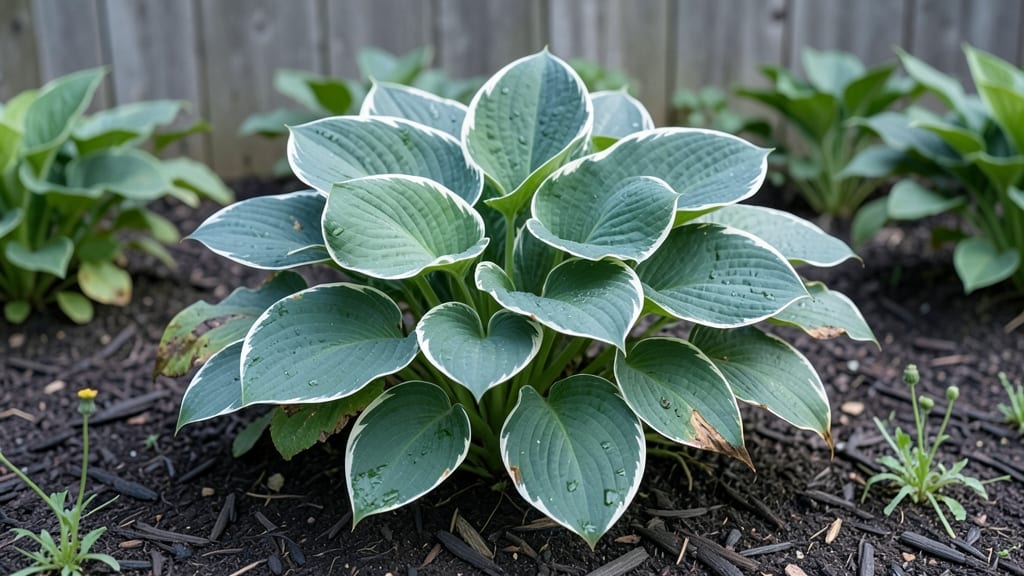
Growing a large hosta plant starts with the right spot—deep shade and moist, rich soil where its broad leaves can truly shine. 🌿 I’ve watched my own hostas go from modest clumps to dramatic, 3-foot-wide foliage screens in just three seasons, all by giving them the space and care they crave.
These aren’t just filler plants; they’re the statement pieces of shady gardens, turning dull corners into lush, textured backdrops.
The secret to their bold size lies in a few simple moves: planting in well-draining but moisture-retentive soil, spacing them 2-3 feet apart at the start, and feeding them slow-release fertilizer in early spring.
Most gardeners overlook the soil prep, but amending with compost and organic matter is what turns good hostas into showstoppers. My own ‘Blue Angel’ now casts a cool, velvety shadow that makes summer evenings feel like a retreat.
By mid-summer, you’ll see those leaves unfurl into giant, sculptural forms—some blue-gray, others chartreuse or deep green—each variety offering a different mood. The key to keeping them thriving? Consistent watering (they hate drying out) and a light pruning in late winter to tidy up.
Even pests like slugs get outsmarted with a little diatomaceous earth around the base. This isn’t just gardening; it’s creating a living tapestry.
Perfect for borders, woodland gardens, or even as a living privacy screen under trees. Once established, they’re nearly maintenance-free and multiply faster than you’d expect. Here’s how to get started—and keep them growing bigger every year.
📚 In This Guide
- What you need
- Instructions
- Tips and common mistakes
- Wrapping up and next steps
What you need
- ● Large hosta plants: 5–10 mature hostas (3–4 ft wide at maturity) for a full privacy screen. Choose varieties like Hosta 'Blue Angel' or Hosta 'Sum and Substance' for bold foliage.
- ● Well-draining soil: 5–10 bags (50 lb each) of high-quality garden soil or compost mix (e.g., Miracle-Gro Garden Soil).
- ● Organic mulch: 2–3 bags (2–3 cu. ft each) of shredded bark or pine straw to retain moisture and suppress weeds.
- ● Slow-release fertilizer: 1–2 lbs of 10-10-10 or 5-10-5 granular fertilizer for nutrient-rich growth.
- ● Garden trowel or spade: For digging holes (6–8 inches deep and wide).
- ● Garden fork or shovel: To loosen soil before planting.
- ○ Wheelbarrow or bucket: For mixing soil amendments (optional but helpful).
- ● Garden hose or watering can: With a gentle spray nozzle for post-planting watering.
- ● Measuring tape or ruler: To ensure proper spacing (2–3 ft apart for full coverage).
- ● Epsom salt: 1–2 lbs to boost magnesium levels (especially for variegated hostas).
- ● Plant stakes or labels: To track varieties and support young plants.
- ● Landscape fabric: Under mulch to reduce weed competition (lay before planting).
- ● Garden gloves: To protect hands from rough foliage and soil.
Step-by-Step guide to creating a bold hosta privacy screen
Turn your shady corner into a lush, living wall with these proven techniques for planting large hostas.
🌱 Step 1: Choose and Prepare the Planting Site
Hostas thrive in partial to full shade, so select a location receiving 2-6 hours of direct sunlight daily. Clear the area of weeds and grass, then loosen the soil to a depth of 12 inches using a garden fork. Amend with 3 inches of compost to improve drainage and fertility—hostas hate soggy roots but love rich organic matter.
Test the soil pH if possible; hostas prefer slightly acidic to neutral (6.0-7.0). If your soil is heavy clay, mix in 1 part perlite to 3 parts soil to prevent compaction. Mark planting spots with stakes, spacing them 3-4 feet apart for mature plants—this ensures full foliage coverage without overcrowding.
🪴 Step 2: Dig and Plant Each Hosta
Dig holes twice as wide as the hosta’s root ball but only as deep as the top of the root crown. This prevents burying the plant too deeply, which can cause rot. Gently remove each hosta from its container and tease apart any circling roots—this encourages outward growth instead of girdling.
Place the plant in the hole so the crown sits just above soil level. Backfill with native soil mixed with 1 cup of bone meal per plant to boost phosphorus for strong roots. Press the soil lightly around the base but don’t compact it—hostas need air pockets for healthy roots. Water deeply to settle the soil and eliminate air gaps.
☀️ Step 3: Mulch and Establish the Screen
Spread 3 inches of mulch (shredded bark or wood chips) over the soil surface, keeping it 6 inches away from plant stems to prevent rot. Mulch conserves moisture, regulates temperature, and suppresses weeds—critical for hostas in dense shade where grass struggles to grow. Avoid fresh wood chips, which can rob nitrogen from the soil.
Water the entire screen 1-2 inches per week, adjusting for rainfall. Hostas are drought-tolerant once established but need consistent moisture during their first growing season. You’ll know they’re happy when new leaves emerge bright green and upright, not yellow or floppy.
✂️ Step 4: Maintain and Encourage Growth
Fertilize in early spring with a balanced 10-10-10 fertilizer at half strength. Hostas are heavy feeders, but too much nitrogen produces all-leaf, no-flower plants. Divide clumps every 3-4 years when growth slows—dig up the plant, separate the crowns with a sharp knife, and replant the strongest sections.
Watch for slugs in humid climates; they adore hosta leaves. Handpick them at night or use iron phosphate bait as a last resort. Prune dead or yellowed leaves in early spring before new growth begins. With proper care, your hosta screen will reach 3-4 feet tall within 3-5 years, providing year-round privacy and texture.
Tips & tricks for perfect hosta privacy screens
Here's what I've learned after planting hosta screens in some of the shadiest corners of my garden—these tricks will help you avoid common pitfalls and create a lush, thriving foliage wall.
The Shade Factor: That 2-6 hours of sunlight range in Step 1 is critical—hostas in full shade (less than 2 hours) will grow slowly and produce smaller leaves. If your spot gets more than 6 hours, choose varieties with blue or gray foliage (like 'Blue Angel' or 'Halcyon') that tolerate more light. I've seen hostas in full shade still thrive, but they'll need more frequent watering and may develop fewer flowers.
Root Ball Technique: In Step 2, when you're teasing apart circling roots, don't be afraid to get aggressive—this is where many gardeners go wrong. Use your fingers or a fork to gently separate the roots outward. I've seen hostas planted with untouched circling roots grow stunted for years because the roots couldn't spread properly. This simple step makes all the difference in establishing strong plants.
Mulch Layer Wisdom: That 3 inches of mulch in Step 3 isn't just decorative—it's a game-changer for moisture retention. In my experience, hostas in dense shade can dry out faster than you'd think. I recommend using cedar mulch (it's naturally pest-resistant) and replenishing it annually. Keep that 6-inch clearance from stems to prevent rot—this is where many gardeners accidentally smother their plants.
Watering Strategy: The 1-2 inches per week guideline in Step 3 is a great starting point, but here's the secret: water deeply but infrequently. I set up a drip irrigation system on a timer for my hosta screens, delivering 1.5 inches every 10 days during summer. This encourages deep root growth rather than shallow, thirsty roots. You'll know you're doing it right when you see those bright green, upright leaves emerging.
Pro Tips for Large Hosta Plant
- Here's what I've learned after planting hosta screens in some of the shadiest corners of my garden—these tricks will help you avoid common pitfalls and create a lush, thriving foliage wall.
- The Shade Factor: That 2-6 hours of sunlight range in Step 1 is critical—hostas in full shade (less than 2 hours) will grow slowly and produce smaller leaves.
- Root Ball Technique: In Step 2, when you're teasing apart circling roots, don't be afraid to get aggressive—this is where many gardeners go wrong.
Frequently asked questions
Got questions about growing bold large hosta plants? You’re not alone!
Here are answers to the most common queries—from planting to care—to help you create a stunning, low-maintenance privacy screen.
When is the best time to plant large hostas?
Plant your large hosta plants in early spring or early fall when soil temperatures are cool (50–70°F). Avoid extreme heat or frost, as these can stress roots. Spring planting gives them time to establish before summer, while fall allows them to settle before winter dormancy. Pro tip: Water thoroughly after planting to reduce transplant shock!
How often should I water large hostas?
Large hostas need 1–1.5 inches of water per week, especially in their first year. Once established, they’re drought-tolerant but thrive with deep, infrequent watering (e.g., once a week). Mulch with 2–3 inches of organic matter (like shredded bark) to retain moisture and protect roots. Watch for: Wilting or yellowing leaves—signs of underwatering!
Can large hostas survive in full shade?
Large hostas are shade-loving champions and thrive in full to partial shade (2–6 hours of sunlight). However, variegated varieties may need 3–4 hours of morning sun to maintain their striking patterns. Too much shade can lead to leggy growth, while too much sun may scorch leaves. Perfect for: North-facing walls or dense tree canopies!
Why are my large hostas’ leaves turning yellow or brown?
Yellowing leaves often signal overwatering or poor drainage, while brown edges or holes usually mean slug/snail damage or fungal issues. Check soil moisture—hostas hate soggy roots! For pests, set up beer traps or diatomaceous earth. Fungal problems (like leaf spot) can be prevented with proper spacing (18–24 inches apart) and avoiding overhead watering.
What’s a good alternative if I need a taller privacy screen?
If large hostas (typically 2–3 feet tall) aren’t tall enough, pair them with understory shrubs like Japanese painted ferns (3–4 ft) or Alum root (Heuchera) (1–2 ft) for layered texture. For 6+ feet of height, consider ornamental grasses (e.g., Hakonechloa) or dwarf evergreens (e.g., Pieris japonica). Mix-and-match for a lush, multi-tiered screen!
Wrapping up and next steps
Growing a large hosta plant is a fantastic way to transform your shady garden into a lush, private retreat! These bold foliage giants thrive with minimal fuss, offering year-round beauty and a natural privacy screen.
Whether you're a seasoned gardener or just starting, their adaptability and striking leaves make them a must-have for any shade lover.
Ready to dive in? Start by selecting your favorite varieties—then grab your gardening tools and get planting! Your future shady oasis awaits. 🌿✨