
Blooming
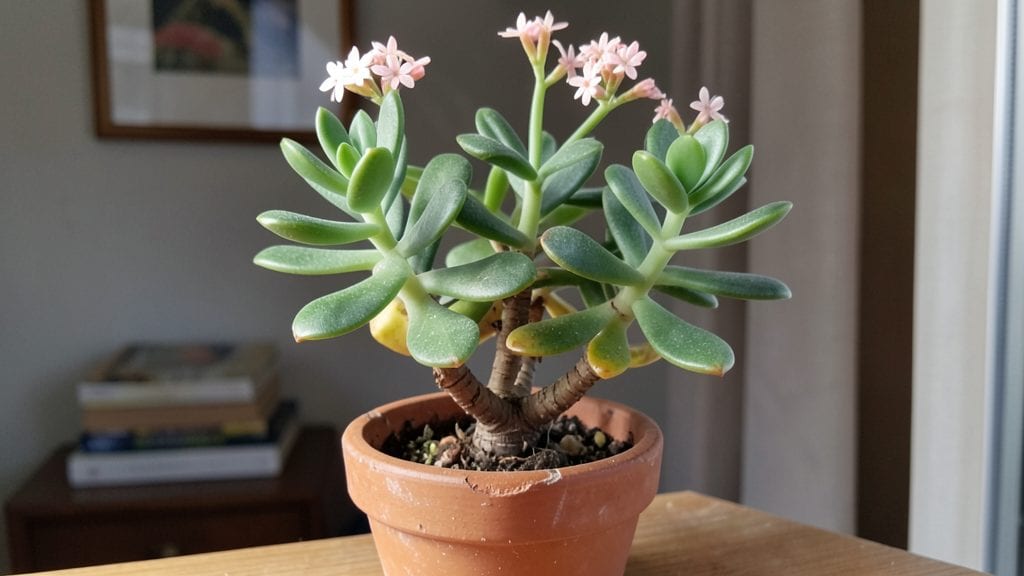
Getting your jade plant to flower is like waiting for a once-in-a-decade meteor shower—except you control the timing. 🌟 I’ve watched mine sit for years without a single bloom, until I finally cracked the code: light, patience, and a little seasonal trickery.
Most people assume jade plants flower only in greenhouses, but with the right conditions, even a windowsill specimen can surprise you with delicate, star-shaped white blooms.
The key is mimicking its natural habitat: bright, indirect light for most of the year, then cool nights and reduced water when autumn arrives. Overwatering is the silent killer—my first jade plant turned into a sad puddle because I treated it like a thirsty succulent.
Instead, let the soil dry completely between waterings, and you’ll see those telltale wrinkles in the leaves signaling it’s ready for another sip. Temperature swings matter too: aim for 50–60°F nights in late fall to trigger dormancy.
When you nail the routine, the payoff is worth the wait. Tiny clusters of four-petaled white flowers appear on mature plants (usually after 3–5 years), followed by tiny red berries that look like miniature Christmas ornaments.
The fragrance is subtle but sweet—nothing like the bold scent of a rose, but somehow more intimate. Once you see one bloom, you’ll understand why collectors chase these rare moments like treasure hunters.
This works for both potted jades and those growing in sunny windows or south-facing containers. The same rules apply whether your plant is a 6-inch tabletop specimen or a tall, tree-like giant.
Start adjusting your care now, and by next autumn, you might just become the proud owner of a flowering jade plant—proof that patience in gardening pays off in the most unexpected ways.
📚 In This Guide
- What you need
- Instructions
- Tips and common mistakes
- Wrapping up and next steps
What you need
- ● Mature Jade Plant (Crassula ovata): At least 3–5 years old (younger plants rarely bloom). Choose a healthy specimen with thick, plump leaves.
- ● Bright, indirect sunlight: A south- or west-facing window (or a grow light for 12–16 hours/day in low-light spaces).
- ● Well-draining soil mix: Cactus/succulent blend (or DIY: 60% potting soil + 30% perlite + 10% coarse sand).
- ● Pot with drainage holes: Terracotta or ceramic (1–2 inches larger than the plant’s root ball).
- ● Water: Room-temperature, filtered or distilled (avoid tap water with high chlorine/fluoride).
- ● Fertilizer: Balanced liquid fertilizer (10-10-10 or 20-20-20), diluted to half-strength.
- ● Cooling period trigger: Option 1: Move plant to 50–60°F (10–15°C) for 4–6 weeks (e.g., a garage, unheated room, or fridge—no light needed!).
- ● Option 2: Simulate winter with nighttime temps (drop to 55°F/13°C for 8+ hours).
- ● Grow lights: LED full-spectrum bulbs (15W–25W) for consistent light if natural light is lacking.
- ● Humidity tray: Pebble tray with water (helps during cooling phase if air is dry).
- ● Thermometer/hygrometer: To monitor temp/humidity precisely.
- ● Bloom-boosting supplements: Phosphorus-rich fertilizer (e.g., 5-10-10) during flowering.
- ● Epsom salt (1 tsp/gallon of water, monthly) for magnesium.
- ● Support stake: If flowers are heavy, a bamboo or metal stake keeps stems upright.
Step-by-step guide to encouraging jade plant flowering
Jade plants rarely bloom indoors—but with precise light control and seasonal cues, you can trigger those stunning white or pink flowers. Here’s the method that works.
☀️ Step 1: Provide 12+ Hours of Direct Sun Daily
Jade plants need bright, unfiltered light to flower, ideally 6+ hours of direct sun. Place yours in a south-facing window where temperatures stay between 65-75°F during the day. If your home lacks strong natural light, supplement with a full-spectrum LED grow light positioned 12-18 inches above the plant for 14 hours daily.
Watch for these signs: Leaves should be deep green with no yellowing, and new growth should appear sturdy and upright. If stems stretch or leaves fade, move the plant closer to the light source immediately. Jade plants grown under low light rarely bloom because they lack the energy reserves needed for flowering.
⏰ Step 2: Mimic Seasonal Temperature Fluctuations
Jade plants require a cool winter rest period to trigger blooming. In late fall, move your plant to a cooler spot (55-60°F) for 6-8 weeks
You’ll notice growth slows dramatically during this period, which is normal. Water only when the soil is completely dry (about every 3-4 weeks) to prevent root rot. Resist the urge to fertilize—your plant needs this break to build energy for future blooms. Once winter passes, resume normal watering in early spring but reduce fertilizer to half-strength for 8 weeks. Water only when the top 2 inches of soil are bone-dry, then soak thoroughly until water drains from the bottom. Overwatering stresses the plant and delays flowering. Look for small buds forming in leaf axils—these are your first sign that the plant is preparing to bloom. If buds appear but drop off, your plant may need more light or a longer rest period. Jade plants often bloom on mature stems, so patience is critical. When buds form, switch to a balanced, water-soluble fertilizer (10-10-10) diluted to ¼ strength. Apply every 4-6 weeks during active growth. Too much fertilizer can cause excessive leaf growth at the expense of flowers. Stop fertilizing entirely once buds open. Watch for tiny white or pink flower spikes emerging from leaf nodes. These are fragile—avoid moving the plant during this time. If your home has dry air, mist the flowers lightly with room-temperature water to prevent wilting. Blooms typically last 2-3 weeks, but the plant may rebloom the following year if conditions are right. Once flowers fade, trim spent stems back to a leaf node using sterilized pruning shears. This encourages bushier growth and more flowering sites next season. Remove any yellow or damaged leaves immediately to redirect the plant’s energy. Here’s the thing—jade plants often bloom only every few years, so celebrate each effort. After pruning, return the plant to its sunny spot and resume regular care. With consistent light and seasonal adjustments, your jade may reward you with blooms annually.💧 Step 3: Adjust Watering for Flowering Readiness
🌿 Step 4: Support with Minimal Fertilization
✂️ Step 5: Prune Strategically After Flowering
Tips & tricks for jade plant flowering success
Getting your jade plant to bloom is all about patience and precision—here's how to maximize your chances while avoiding common pitfalls.
Light Timing is Everything: That 14-hour daily light requirement isn't just about quantity—it's about consistency. Use a timer for your grow light to maintain exact 14-hour cycles, even when daylight hours change. I place mine on a kitchen counter where I can easily monitor it, and set two alarms—one to turn it on in the morning and one to turn it off at night. Jade plants are particularly sensitive to light fluctuations, so even small variations can delay flowering.
Temperature Transition Strategy: The move from 65-75°F to 55-60°F needs to happen gradually over 2-3 weeks to avoid shocking the plant. I start by moving my jade to a cooler room at night only, then progress to full-time cool conditions. Watch for leaf curling—this is your plant's way of telling you it's adjusting. If leaves develop brown edges during this transition, it's a sign you moved it too quickly or to temperatures below 55°F.
Watering Science: The "top 2 inches bone-dry" rule is non-negotiable, but here's the secret: use your finger to check moisture at the 2-inch mark, not just the surface. I find that jade plants in terracotta pots dry out faster than in plastic—adjust your watering schedule accordingly. During the cool winter rest period, I water even less frequently (every 4-6 weeks) because the plant's metabolic rate slows dramatically at 55-60°F.
Fertilizer Precision: That ¼-strength fertilizer recommendation is crucial, but timing matters just as much. I apply mine right after watering when the soil is moist—not dry. This prevents fertilizer burn while ensuring the plant can absorb nutrients. And here's a pro tip: if you see new growth but no buds after 8 weeks of half-strength feeding, your plant might need more light rather than more fertilizer.
Pro Tips for Jade Plant Flowering
- Getting your jade plant to bloom is all about patience and precision—here's how to maximize your chances while avoiding common pitfalls.
- Light Timing is Everything: That 14-hour daily light requirement isn't just about quantity—it's about consistency.
- Temperature Transition Strategy: The move from 65-75°F to 55-60°F needs to happen gradually over 2-3 weeks to avoid shocking the plant.
Frequently asked questions
about jade plant flowering—because patience pays off!Why does my jade plant rarely flower?
Jade plants (Crassula ovata) are known for their slow growth and infrequent blooms. Most only flower after years of care—often between ages 5-10—or when stressed (like winter dormancy). Overwatering or lack of sunlight are the top culprits. Give it time, light, and a rest period!
How long does it take for a jade plant to bloom?
With ideal conditions (bright light, minimal water, and dormancy), some jade plants flower in 2–3 years, while others wait 10+ years. Patience is key! Look for small buds in late winter/early spring—the first sign of potential blooms.
Can I force my jade plant to flower faster?
No magic trick exists, but you can optimize conditions: Provide 6+ hours of direct sunlight daily, reduce watering in winter (let soil dry completely), and avoid repotting during dormancy. Stress (like cold temps) can trigger blooms—but don’t overdo it!
What do jade plant flowers look like?
Jade flowers are tiny, star-shaped, and clustered in shades of pink, white, or red. Each bloom is only ½-inch wide but packed with fragrance! They grow on leafless stems (called inflorescences) and last 1–2 weeks. Snap a photo—it’s a rare sight!
My jade plant has buds but no flowers—what’s wrong?
Bud drop is common due to temperature swings (below 50°F) or overwatering. Keep it in a stable, cool (60–65°F) spot during blooming season. If buds form but wilt, reduce water and move it away from drafts. Sometimes, they just need more time!
Wrapping up and next steps
Witnessing your jade plant bloom is a magical reward for your care and patience—so don’t lose heart if it takes time! 🌸 The key lies in light, balance, and consistency: bright indirect light, well-draining soil, and occasional adjustments to water and temperature.
With these tricks, you’re already on the path to unlocking those rare, star-shaped flowers.
Ready to take the next step? Celebrate small wins—like new growth or healthy leaves—and keep nurturing your plant. Soon, your efforts will bloom into something truly special! 🌱✨