
Succulent
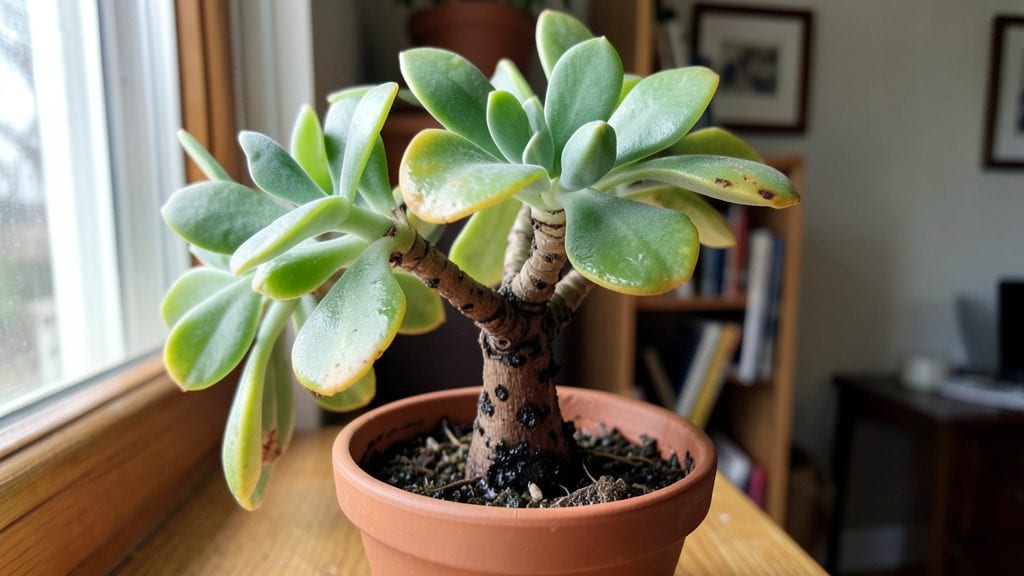
Your jade plant’s sad, droopy leaves aren’t just a phase—overwatering is silently killing its roots. 🌱 I’ve nursed back more jade plants than I’d like to admit, and the first step is always the same: stop watering immediately.
The moment you notice yellowing leaves or a mushy stem, you’re already in root rot territory, but these plants are tougher than they look.
Start by gently removing the plant from its pot and inspecting the roots—healthy ones are firm and white, while rotten ones smell foul and turn brown or black. Trim away the bad roots with clean scissors, then repot in a well-draining cactus mix with perlite or pumice.
A pot with drainage holes isn’t optional; it’s non-negotiable for a succulent that hates wet feet.
Once repotted, let the soil dry out completely between waterings—finger-test the top inch before deciding. Within 2-3 weeks, you’ll see new growth pushing through, and the plant will bounce back with that signature thick, glossy foliage. The key is patience: jade plants recover slower than they suffer.
Prevent future disasters by watering only when the soil is bone-dry and choosing a pot just slightly larger than the root ball. Grouping your jade with other succulents creates a microclimate that reminds you to water less. Trust me, your plant will thank you—eventually.
Why it happens
Overwatering your jade plant—Crassula ovata—can turn its plump, vibrant leaves into a sad, mushy mess in no time. 🌱💧 But why does this happen?
The issue often stems from a mix of environmental, human, and plant-specific factors. Let’s break down the real culprits behind your jade plant’s waterlogged woes.
🌡️ Poor Soil Drainage: The Silent Killer
Jade plants thrive in well-draining soil because their native habitat in South Africa’s rocky cliffs and deserts demands minimal moisture retention. When planted in regular garden soil or potting mixes heavy in organic matter (like peat or compost), water pools around the roots instead of draining away.
This creates an anaerobic environment—where roots suffocate from lack of oxygen—and invites Phytophthora and Pythium fungi, which cause root rot.
Actionable fix: Use a cactus or succulent mix (50% mineral grit, perlite, or pumice + 50% cactus soil) or amend regular soil with coarse sand or pumice (20-30% by volume). Always ensure pots have drainage holes—no exceptions!
👨🍳 Overzealous Watering Habits
Most plant owners water on a schedule—but jade plants don’t follow calendars. Their water needs depend on environmental conditions, not days passed. Common mistakes include:
- Watering by routine: Checking soil moisture after watering (not before) leads to soggy soil.
- Ignoring seasonality: Jade plants dormant in winter (like many succulents) need 80% less water than in summer.
- Using the "topsoil test" wrong: Sticking a finger 1 inch deep (not just the surface) reveals if the soil is truly dry.
Pro tip: Water only when the top 2-3 inches of soil are bone-dry. In winter, this might mean watering every 3-4 weeks—not monthly. 🌡️
🏠 Humid Indoor Conditions
Jade plants are desert dwellers, so they hate humidity. Indoor environments—especially in bathrooms, kitchens, or near humidifiers—can trap moisture around the plant, slowing evaporation and keeping roots wet for days. High humidity also promotes fungal growth, accelerating rot.
Science behind it: In low humidity (<30%), water evaporates quickly from soil, while above 50%, it lingers, creating a waterlogged zone at the root level.
Fix it: Place your jade plant in a bright, dry spot (like a sunny windowsill away from bathrooms). Use a dehumidifier if needed, or group it with other succulents to reduce local humidity.
🌿 Pot Size Mismatch: Too Big, Too Soon
A pot that’s too large holds excess water, giving roots no incentive to dry out. Jade plants should be root-bound—when roots fill 80-90% of the pot—before repotting. If you upgrade too early, the extra soil stays wet for weeks.
Rule of thumb: Choose a pot only 1-2 inches wider than the root ball. Terracotta pots help wick away moisture faster than plastic, but they dry out quicker too—so monitor closely. ⏰
🌧️ Environmental Stressors
Even with perfect watering, external factors can force your jade plant to drink more than it should:
- Low light: Without enough sunlight, photosynthesis slows, and the plant can’t process water efficiently, leading to buildup.
- Cold drafts: Chilly air near windows or AC vents reduces transpiration (water loss through leaves), keeping roots damp.
- Rain or misting: Overhead watering (like misting) soaks leaves and soil, mimicking a tropical downpour—jade plants hate this.
Quick solutions:
- Move to a south- or east-facing window for bright, indirect light.
- Avoid misting—use a damp cloth to wipe leaves instead.
- Keep temps between 65–75°F; avoid cold drafts.
Revive Your Jade Plant Now
Overwatering can turn your jade plant’s lush green leaves into a sad, soggy mess—but don’t panic! With the right steps, you can nurse it back to health. Below, we’ve broken down the most common causes of overwatering and matched them with easy, actionable fixes to get your plant thriving again.
Plus, we’ll share prevention tips to keep your jade plant happy long-term.
Cause: Waterlogged soil suffocates roots, leading to rot (often caused by overwatering + poor drainage). Fix:
- 🔥 Remove the Plant Gently Carefully take the jade plant out of its pot and rinse the roots under lukewarm water to wash away excess soil. Use your fingers to loosen any mushy, black roots—these are rotten and need to go. Trim them with sterilized scissors (wipe with rubbing alcohol).
- 🍳 Repot in Fresh, Dry Soil Choose a terracotta pot (if possible) with drainage holes. Use a well-draining cactus/succulent mix—avoid regular potting soil, which holds too much moisture. If you don’t have specialty soil, mix regular potting soil with perlite or coarse sand (50/50 ratio).
- 👨🍳 Let It Dry Out First Before replanting, let the roots air-dry for 1–2 days. This prevents further rot. Once dry, place the plant in its new pot and water lightly—just enough to moisten the soil, not soak it.
- ⏰ Wait Before Watering Again Hold off on watering for 7–10 days to let the roots recover. Jade plants store water in their leaves, so they can survive short dry spells.
💡 Pro Tip: If the rot is severe and most roots are gone, propagate healthy stem cuttings instead. Snip a stem, let it callus for a few days, then plant it in dry soil.
Cause: Overwatering due to inconsistent schedules, lack of knowledge, or ignoring soil moisture. Fix:
- 🌡️ Check the Soil First Stick your finger 1–2 inches into the soil—if it’s damp, wait. Jade plants prefer dry soil between waterings. A good rule: "Soak and dry"—water deeply, then let the top 50% of soil dry out before watering again.
- 🎯 Water Less, But Deeply When you water, soak the entire root ball until water drains from the bottom. Then, empty the saucer to prevent soggy roots. Frequency: Every 2–4 weeks (less in winter, more in summer heat).
- ✨ Upgrade Your Pot & Soil
- Pot: Use terracotta or ceramic (they dry faster than plastic).
- Soil: Stick to succulent/cactus mixes or DIY blends with perlite, pumice, or orchid bark for aeration.
💡 Pro Tip: If you’re unsure, underwater slightly—jade plants are drought-tolerant and bounce back faster from dryness than rot.
Cause: Weakened plants struggle to recover without proper light and airflow. Fix:
- 🔥 Move to Bright, Indirect Light Jade plants love sunlight but hate scorching. Place it near a south or east-facing window (or under grow lights if natural light is limited). If leaves turn pale, it’s getting too much sun—adjust gradually.
- 🌬️ Improve Airflow Stagnant air = more humidity = more rot risk. Place a small fan nearby (on low) or open a window near the plant to encourage airflow.
- 🍎 Fertilize Lightly (Once Recovered) Wait 4–6 weeks after repotting before fertilizing. Use a diluted succulent fertilizer (half-strength) once a month in spring/summer. Skip fertilizer in fall/winter—your plant is dormant!
💡 Pro Tip: If leaves are yellowing or falling, it’s a sign of stress. Trim damaged leaves to help the plant focus energy on recovery.
Now that your jade plant is on the mend, keep these habits to avoid repeat issues: - 📊 Watering Schedule: Mark your calendar!
Jade plants need less water in cooler months. - 🌡️ Soil Test: Use a moisture meter or the finger test to check soil before watering. - 🚫 Avoid Mistaking: Jade plants hate humidity—don’t mist them!
Wipe leaves with a damp cloth if dusty. - 🔄 Repot Every 2 Years: Roots outgrow pots, leading to water retention. Spring is the best time to repot. - 🌱 Propagate Weak Plants: If your jade plant is struggling, take stem cuttings to grow new plants while saving the original.
Final Thought: Recovery takes time, but with patience and the right care, your jade plant will bounce back stronger than ever. 🌿✨ Keep an eye on it, adjust as needed, and soon you’ll have a plump, happy succulent gracing your space!
Frequently asked questions
How do I know if my jade plant is overwatered vs. underwatered?
Check the leaves and soil: overwatered jades have yellow, mushy leaves that may fall off easily, while underwatered ones develop wrinkled, dry leaves that stay attached. Tap the soil—if it’s damp below the surface, you’re overwatering; if it’s bone-dry, it’s thirsty. Root rot (black, smelly roots) confirms overwatering.
Can I save my jade plant if most of the roots are rotted?
Yes! Trim all black, mushy roots with sterilized scissors, then let the remaining healthy roots dry for 1-2 days. Repot in a cactus mix with perlite and hold off watering for 7-10 days. If the stem is still firm, it can regrow roots. For severe cases, propagate healthy stem cuttings instead.
Why does my jade plant keep getting overwatered even when I’m careful?
Common traps include plastic pots (trapping moisture), no drainage holes, or humid indoor air slowing evaporation. Switch to terracotta pots and place your jade near a dehumidifier or sunny window. Group it with other succulents to create a drier microclimate.
How often should I water my jade plant after rescuing it from overwatering?
Wait 7-10 days after repotting, then water only when the top 2-3 inches of soil are completely dry. In summer, this may be every 2-3 weeks; in winter, stretch it to 4-6 weeks. Always water deeply until it drains from the bottom, then empty the saucer.
Will my jade plant grow back if I cut off the rotten parts?
Jade plants are resilient. After trimming rotten roots and repotting, new roots will form from the healthy base. For extra insurance, take 3-4 inch stem cuttings, let them callus for 1-2 days, then plant in dry soil. They’ll often root within 2-3 weeks—a great backup plan!