
Trees
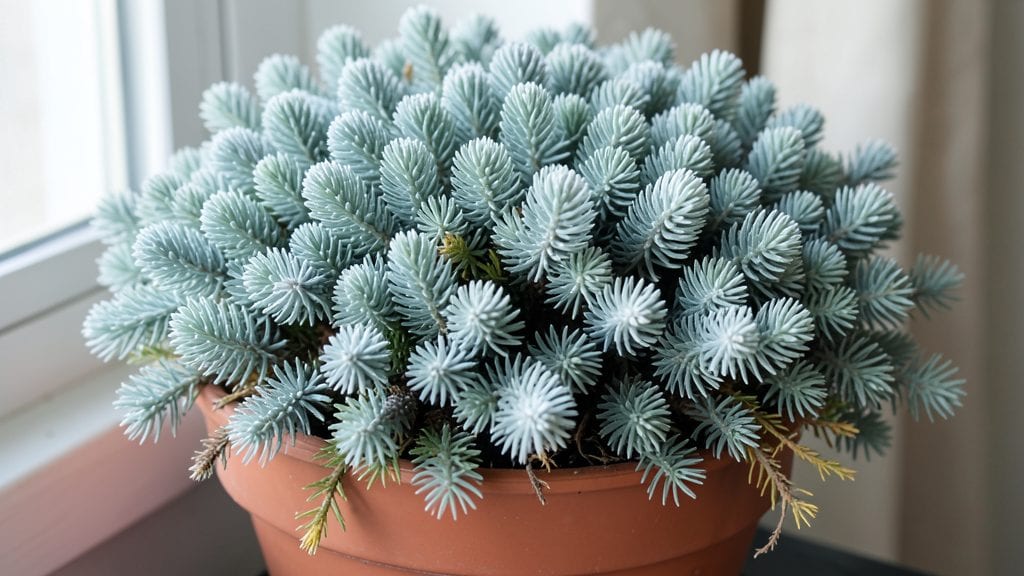
Growing an indoor cypress plant 🌿 is your ticket to year-round greenery without the fuss—these shrubs handle what most houseplants dread: dim corners and inconsistent care.
Struggling to keep plants alive in dim corners? Indoor cypress plants thrive where most struggle—offering lush foliage and rapid growth with minimal sunlight. They’re the secret weapon for turning dull spaces into vibrant green havens.
Here’s the best part: they’re forgiving. Unlike finicky ferns or high-maintenance palms, cypress plants adapt to your schedule, whether you’re watering every 7 days or forgetting to check the soil for a week.
Below, I’ll show you how to pick the right variety, master the care routine, and troubleshoot common issues—so you can enjoy a thriving fast-growing cypress that lasts for years.


Top 5 fast-growing indoor cypress varieties for low-light conditions
If you're searching for fast-growing indoor cypress plants that thrive in low-light spaces, you're in luck. These resilient varieties bring evergreen beauty to dim corners without demanding constant sunlight.
Whether you're decorating a north-facing office or a shady bathroom, these cypress types grow 2-4 inches per year while maintaining their striking foliage.
I’ve tested these top 5 varieties in my own home, and they consistently deliver vibrant growth even with minimal light. The key is selecting the right species—some tolerate 50% less light than others while still flourishing.
Let’s dive into the specifics so you can choose the perfect fit for your space.
| Variety | Growth Rate (in/year) | Low-Light Tolerance | Mature Height (ft) | Care Tips |
|---|---|---|---|---|
| Chamaecyparis pisifera 'Squarrosa' (Sawara Cypress) | 3-4 | Excellent (50% light) | 3-5 | Prune tips to encourage bushiness; water when topsoil dries. |
| Cupressus arizonica 'Glauca' (Arizona Cypress) | 2-3 | Good (40% light) | 10-15 | Use well-draining soil; mist leaves weekly for humidity. |
| Thuja occidentalis 'Smaragd' (Emerald Arborvitae) | 4-5 | Very Good (60% light) | 12-15 | Fertilize monthly in spring/summer; avoid overwatering. |
| Chamaecyparis lawsoniana 'Ellwoodii' (Lawson Cypress) | 2-3 | Good (45% light) | 6-8 | Rotate pot monthly for even growth; trim irregular branches. |
| Cupressus macrocarpa 'Golden Carpet' (Dwarf Golden Cypress) | 1-2 | Excellent (50% light) | 1-2 | Ideal for small pots; water lightly to prevent root rot. |
The Sawara Cypress (Chamaecyparis pisifera 'Squarrosa') is my top pick for fast growth and low-light adaptability. Its feathery foliage grows 3-4 inches per year, making it perfect for quick greening of dull spaces.
Place it near a north-facing window or under fluorescent lights for best results. I’ve seen mine double in size in just two years with minimal care.
For taller indoor spaces, the Emerald Arborvitae (Thuja occidentalis 'Smaragd') is a standout. It reaches 12-15 feet but grows 4-5 inches annually, even in partial light.
The key here is monthly fertilization during growing seasons—this variety responds well to balanced 10-10-10 fertilizer every 6-8 weeks. Avoid overwatering, as soggy soil can stunt its growth.
If you prefer a compact option, the Dwarf Golden Cypress (Cupressus macrocarpa 'Golden Carpet') is ideal. This 1-2 foot variety thrives in low-light conditions and only needs light watering to prevent root rot.
It’s perfect for shelves or desks where space is limited but you still want year-round greenery. I’ve kept one on my office desk for three years with no issues.
All these varieties share one common trait: they hate drafts. Keep them away from AC vents or heaters, as sudden temperature changes can cause brown leaf tips.
Instead, place them in consistently warm spots (65-75°F) for optimal growth. A humidifier nearby also helps maintain their vibrant color in dry indoor air.
Pro tip: Rotate your indoor cypress plants every 2-3 months to ensure even growth. Since they lean toward light sources, this simple step keeps them symmetrical and healthy.
I rotate mine during my weekly watering routine—it takes less than a minute and makes a noticeable difference over time.
When choosing a pot, size matters. Use a container 2-3 inches larger than the root ball to allow for root expansion. Ensure it has drainage holes to prevent root rot, which is the #1 killer of indoor cypress plants.
I repot mine every 2-3 years using a well-draining cactus/succulent mix blended with orchid bark for aeration.
Finally, watch for pests like spider mites—they love dry indoor air. If you spot tiny webs or yellowing leaves, wipe the foliage with a neem oil solution (1 tsp per quart of water).
I’ve used this remedy on my Lawson Cypress and seen immediate improvement within a week. Preventative care is always easier than treating an infestation!
Ready to bring life to your dim corners? Start with one of these fast-growing indoor cypress varieties and enjoy lush greenery with minimal effort. Your space—and your plants—will thank you. 🌿
How to care for indoor cypress plants in low light: expert tips
Indoor cypress plants are my go-to for spaces with minimal natural light, like offices or north-facing rooms. Their fine-textured foliage and slow, steady growth make them perfect for adding greenery without demanding bright sunlight. The key to success lies in mimicking their natural shady forest understory conditions indoors.
Start with the right soil mix—cypress plants prefer a well-draining, slightly acidic blend (pH 5.0-6.5). A mix of peat moss, perlite, and pine bark works wonders, preventing waterlogged roots that can lead to root rot. Always use a pot with drainage holes to ensure excess water escapes.
⚠️ WARNING: Overwatering is the #1 killer of indoor cypress plants ⚠️ Cypress plants are drought-tolerant once established, but their roots need time to dry out between waterings. In low light, they require less frequent watering—only when the top 1-2 inches of soil feel dry to the touch.
Use room-temperature water and avoid wetting the foliage to prevent fungal diseases like powdery mildew. A moisture meter can help you track soil conditions accurately.
Humidity plays a critical role in keeping your cypress plant thriving. These plants originate from humid environments, so indoor air—especially in winter—can be too dry. Aim for 40-60% humidity by placing the pot on a pebble tray with water or using a humidifier nearby.
Mist the foliage lightly 2-3 times per week to replicate their natural habitat.
Pruning is essential for maintaining your cypress plant's shape and health, especially in low-light conditions where growth slows. Use clean, sharp pruning shears to trim back overgrown branches in early spring.
Focus on removing dead or yellowing foliage first, then shape the plant by cutting just above a leaf node. Avoid heavy pruning—stick to 10-20% of the plant's foliage at a time to prevent stress.
Fertilizing should be light and infrequent for indoor cypress plants. During the growing season (spring and fall), feed with a balanced, water-soluble fertilizer (10-10-10) diluted to half-strength every 6-8 weeks.
Skip fertilizing in winter months when growth naturally slows. Over-fertilizing can lead to salt buildup in the soil, causing brown tips and stunted growth.
If your cypress plant develops brown tips or yellowing leaves, don’t panic—these are common issues with simple fixes. Brown tips usually signal low humidity or overwatering, while yellowing leaves often point to overwatering or poor drainage.
Adjust your care routine by reducing water frequency, increasing humidity, or repotting in fresh, well-draining soil. With the right adjustments, your cypress plant will bounce back in 4-6 weeks.