
Companion Plants
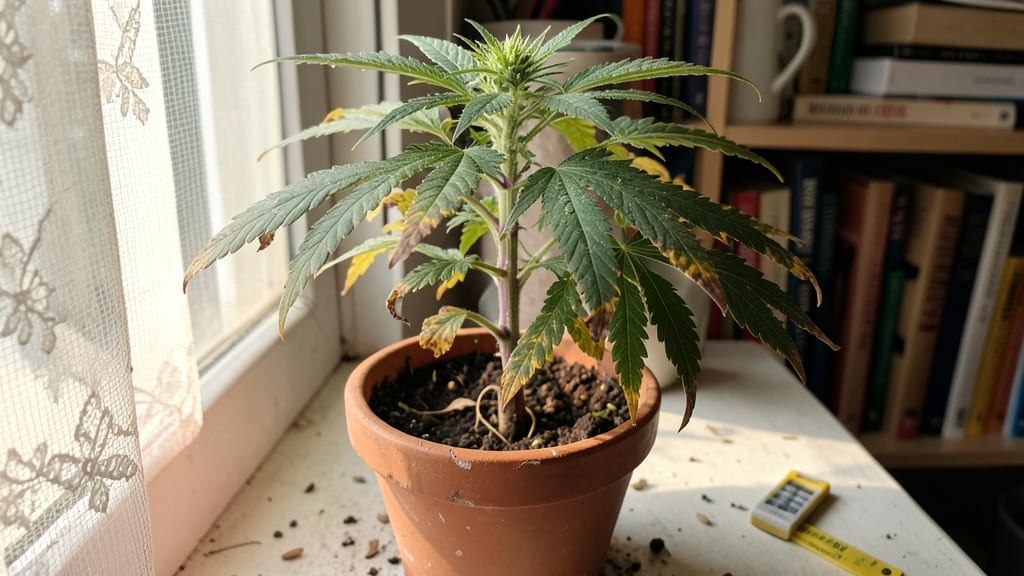
Even the most stubborn cannabis sick plants can bounce back—yellowing leaves aren’t always a death sentence, just a sign to act fast. 🌿 I’ve revived plants from near-total collapse using just three targeted fixes, and the best part?
You don’t need fancy tools or toxic chemicals. The key is identifying whether your plant is thirsty, starving, or under attack, then acting fast before the damage spreads.
Yellowing often starts with the lower leaves, and the cause can be as simple as overwatering or as tricky as a nutrient imbalance. I’ve seen growers panic and drown their plants trying to “fix” the problem, only to make it worse.
The truth? Most cannabis leaf issues come down to three root causes: water stress, nutrient burn, or pest/disease pressure. Once you pinpoint the real issue, the fixes are straightforward—and I’ll walk you through each one step by step.
By the time you’re done, your plants will be bouncing back with fresh, deep green growth. You’ll spot the difference within days: new leaves emerging, buds firming up, and that telltale resilience that says “I’m back.”
The secret isn’t guesswork—it’s paying attention to what your plants are actually telling you, not what you think they need.
Whether you’re dealing with a single branch or a whole room of struggling plants, these fixes work for both small setups and large grows. The tools you need? Most are already in your grow space. Let’s turn those yellowing leaves into a thing of the past.
Root causes of cannabis leaf issues
Understanding why your cannabis plants develop sickly leaves is the first step to reviving them. These problems often stem from environmental stress, nutrient imbalances, or biological threats—each with distinct signs and solutions. Let’s break down the most common culprits and what triggers them.
Cannabis plants are sensitive to their surroundings, and even small shifts in temperature, humidity, or light can trigger distress. Here’s what’s likely happening:
- Temperature Swings Cannabis thrives in stable temperatures between 70–85°F (21–29°C) during the day and 58–70°F (14–21°C) at night.
Sudden drops below 50°F (10°C) or spikes above 90°F (32°C) can cause: - Yellowing leaves (chlorosis) from poor nutrient uptake. - Brown, crispy edges (heat stress or transpiration overload). - Stunted growth due to metabolic slowdown. - Pro Tip: Use a thermometer/hygrometer to monitor conditions.
A small fan can improve airflow and prevent overheating.
- Humidity Imbalances
- Too High (Above 70%): Fungal infections (like powdery mildew) thrive in damp air, leading to white spots, leaf curl, or mold.
- Too Low (Below 40%): Causes dry, brittle leaves and makes plants susceptible to spider mites.
- Ideal Range: 40–70% humidity (adjust with humidifiers/dehumidifiers as needed).
- Light Stress
- Too Much Light (Burn): Leaves turn yellow with brown patches (bleaching) from UV damage or heat stress (common in HPS/MH setups).
- Too Little Light (Leggy Growth): Leaves stretch and turn pale yellow-green due to etiolation (plant stretching for light).
- Fix: Use reflectors or adjust light distance (18–24 inches for most grow lights).
Cannabis requires a balanced NPK (Nitrogen, Phosphorus, Potassium) ratio, along with micronutrients like magnesium, calcium, and iron. Imbalances show up as specific leaf symptoms:
| Symptom | Likely Cause | Quick Fix |
|---|---|---|
| Yellow lower leaves | Nitrogen deficiency | Flush with water, add fish emulsion or blood meal. |
| Purple stems/leaves | Phosphorus deficiency | Use bone meal or a high-P fertilizer. |
| Brown leaf tips | Potassium deficiency or burn | Lower EC (electrical conductivity) of nutrients, add kelp meal. |
| Yellow veins, green edges | Magnesium deficiency (interveinal chlorosis) | Epsom salt (magnesium sulfate) flush. |
| Yellowing between veins | Iron deficiency (chlorosis) | Use chelated iron or iron-rich soil. |
| Crispy, brown edges | Over-fertilization (nutrient burn) | Flush soil with pH-balanced water (5.8–6.5). |
- Pro Tip: Test your soil pH regularly—nutrient uptake fails outside 6.0–7.0. Use a liquid pH test kit for accuracy.
Sick cannabis leaves aren’t always about care mistakes—pests and diseases can strike fast. Here’s how to spot them:
- Spider Mites (🕷️)
- Signs: Yellow stippling, fine webbing on undersides of leaves.
- Cause: Dry conditions + high temps (ideal for mites).
- Fix: Neem oil spray or predatory mites (release them in early stages).
- Powdery Mildew (🍄)
- Signs: White, powdery coating on leaves (starts on top, spreads fast).
- Cause: High humidity + poor airflow.
- Fix: Baking soda spray (1 tsp/L water + soap) + increase airflow.
- Root Rot (💀)
- Signs: Yellowing leaves, mushy stems, foul smell from soil.
- Cause: Overwatering + compacted, anaerobic soil.
- Fix: Stop watering, repot in fresh soil, and treat with hydrogen peroxide (3%) to kill fungus.
- Aphids (🐜)
- Signs: Sticky residue (honeydew), curled leaves, black sooty mold.
- Cause: Weak plants attract aphids.
- Fix: Blast off with water or use insecticidal soap.
Sometimes, the issue is human error—here’s what to watch for:
- Overwatering
- Signs: Yellow leaves, wilting, root rot.
- Why? Too much water drowns roots, cutting off oxygen.
- Fix: Let the top 1–2 inches of soil dry before watering.
- Underwatering
- Signs: Dry, crispy edges, drooping leaves.
- Why? Plants can’t absorb nutrients without moisture.
- Fix: Water deeply but less frequently (check soil moisture).
- Transplant Shock
- Signs: Yellowing, slow growth, wilting after repotting.
- Why? Roots get damaged during transfer.
- Fix: Root in a larger pot with fresh soil and avoid fertilizing for 1–2 weeks.
- Pruning Mistakes
- Signs: Stunted growth, weak branches, yellowing at cuts.
- Why? Cutting too aggressively or using dull tools (causes stress).
- Fix: Use sterilized scissors, make clean cuts at nodes, and avoid over-pruning.
Even if your plant looks healthy, bad soil or tap water can sabotage growth:
- Compacted or Poor-Quality Soil
- Problem: Clay-heavy or old soil lacks aeration, leading to root suffocation and nutrient lockout.
- Fix: Use light, airy mixes (60% soil, 30% perlite, 10% worm castings).
- Hard Water (High Minerals)
- Problem: Calcium/magnesium buildup blocks nutrient uptake, causing yellowing.
- Fix: Use filtered or distilled water or reverse osmosis (RO) water.
- pH Imbalance
- Problem: Too acidic (<5.5) or alkaline (>7.0) locks out nutrients.
- Fix: Test soil pH weekly and adjust with lime (to raise) or vinegar (to lower).
Key Takeaway: Most cannabis leaf issues boil down to one (or more) of these factors—environment, nutrients, pests, or care mistakes. Start by isolating the symptom, then tackle the root cause with targeted fixes. 🚀
Reviving Cannabis Plants: Step-by-Step Fixes
When your cannabis plants show signs of distress—yellowing leaves, wilting stems, or stunted growth—it’s time to act fast. The good news? Most issues have straightforward solutions if you diagnose the root cause. Below, we break down the most common problems and the practical fixes to get your plants back on track, plus prevention tips to keep them thriving long-term.
If your cannabis leaves turn yellow, feel mushy, or develop a foul odor, overwatering is likely the culprit. Roots need oxygen, and too much water suffocates them, leading to root rot.
🔥 How to Fix It
- Stop Watering Immediately: Let the soil dry out completely before watering again. Stick your finger 1-2 inches into the soil—if it’s damp, wait.
- Improve Drainage: Repot your plant in well-draining soil (mix in perlite or coco coir) or add a layer of gravel to pots without drainage holes.
- Trim Damaged Roots (If Needed): Gently remove the plant from its pot and snip away any black, mushy roots with sterilized scissors. Replant in fresh, dry soil.
- Adjust Your Watering Schedule: Water only when the top 1-2 inches of soil are dry. Morning watering helps excess moisture evaporate.
💡 Prevention Tips
- Use pots with drainage holes.
- Monitor humidity—drier air reduces overwatering risks.
- Consider self-watering systems with moisture sensors.
Yellowing leaves with brown edges or tips? Your plants might be suffering from nutrient burn, caused by over-fertilizing or using high-salt fertilizers. This disrupts nutrient uptake and can scorch roots.
🍳 How to Fix It
- Flush the Soil: Water your plants with pH-balanced water (6.0–7.0) for 10–15 minutes daily until the runoff is clear. This removes excess salts.
- Switch to a Gentle Fertilizer: Use a low-dose organic fertilizer (like fish emulsion or worm castings) or a diluted synthetic blend. Follow the "weaker is better" rule.
- Repot if Necessary: If the soil is heavily contaminated, repot into fresh, nutrient-free soil to give roots a clean start.
- Adjust pH Levels: Test your water and soil pH. Cannabis thrives in slightly acidic soil (6.0–7.0). Use pH adjusters if needed.
🎯 Prevention Tips
- Always dilute fertilizers to half-strength for young plants.
- Follow a feed schedule: Start with small doses and gradually increase.
- Use organic fertilizers for slower, steadier nutrient release.
Yellowing leaves paired with spots, holes, or webbing? Pests (spider mites, aphids) or fungal/bacterial infections (powdery mildew, root rot) could be the villains. Act quickly to prevent spread.
👨🍳 How to Fix It
- Identify the Problem:
- Pests: Check undersides of leaves for tiny bugs, webs, or sticky residue (aphids, spider mites).
- Fungal/Bacterial: Look for powdery white coatings (mildew), black spots (botrytis), or yellowing with dark veins (bacterial infections).
- Isolate the Plant: Move it away from healthy plants to prevent contamination.
- Treat Pests Naturally:
- Spray with neem oil (1 tsp per liter of water + a drop of dish soap as a surfactant).
- Introduce beneficial insects like ladybugs or predatory mites.
- Wipe leaves with a soapy water solution (1 tsp mild soap per quart of water).
- Combat Fungal/Bacterial Issues:
- Apply baking soda spray (1 tbsp baking soda + 1 quart water + 1 tsp oil) for powdery mildew.
- Use hydrogen peroxide (3%) as a foliar spray (1 tsp per liter of water) for bacterial infections.
- Improve airflow with a small fan or prune crowded leaves.
- Prevent Recurrence: Sterilize tools with rubbing alcohol, avoid overhead watering, and maintain a clean grow space.
✨ Prevention Tips
- Inspect new plants before bringing them indoors.
- Quarantine new additions for 2–3 weeks.
- Keep humidity below 60% to deter fungal growth.
Most cannabis plant problems are fixable with the right approach. Start by identifying the cause, then take action before the issue spirals. With these solutions, your plants should bounce back—and with a little prevention, you’ll keep them healthy for the long haul. 🌿
Frequently asked questions about sick cannabis plants
Why do my cannabis leaves turn yellow first on the bottom?
Older, lower leaves yellow naturally as they age, but excessive yellowing signals stress. Most common causes are overwatering (root rot), nitrogen deficiency, or poor drainage. Check soil moisture and adjust watering—top 1-2 inches should dry between waterings.
Can I save a cannabis plant with brown, crispy leaf edges?
Yes, but act fast! Brown edges usually mean nutrient burn (too much fertilizer) or low humidity. Flush soil with pH-balanced water for 2 days, reduce fertilizer strength by half, and increase humidity to 50-60%. Avoid touching the damaged leaves.
What’s the fastest way to treat spider mites on cannabis?
Start with a neem oil spray (1 tsp neem + 1 drop dish soap per liter of water). Spray undersides of leaves thoroughly every 3-4 days for 2 weeks. Add a small fan to improve airflow—mites hate dry conditions. For severe cases, release predatory mites as a natural solution.
How do I know if my cannabis plant has root rot?
Look for yellowing leaves, mushy stems, and a foul smell from the soil. Gently remove the plant and check roots—healthy roots are white, while rotten ones are black/mushy. If confirmed, trim affected roots, repot in fresh soil, and stop watering until soil dries completely.
Can I still harvest cannabis plants with yellow leaves?
Only if the yellowing is mild and limited to lower leaves from natural aging. Remove all damaged leaves before harvest, but avoid plants with widespread yellowing, spots, or pests. These indicate stress that may affect flavor and potency. Always inspect buds closely before curing.