
Watering
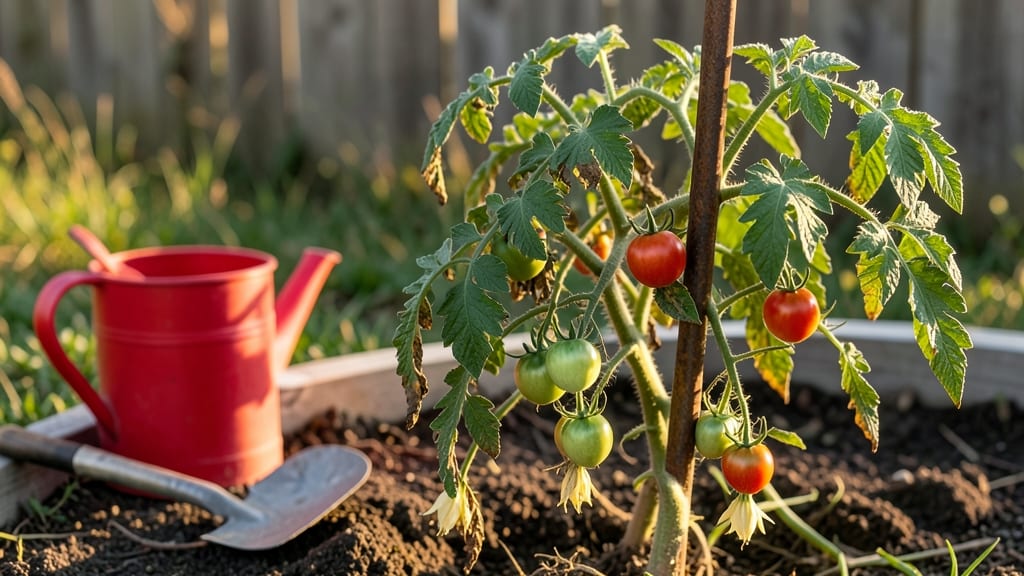
Fixing overwatered tomato plants starts with recognizing the signs—drooping leaves, yellowing foliage, or stems that feel mushy when pressed. 🌱 I’ve pulled my share of soggy plants back from the brink, and the key is acting fast before root rot sets in.
The good news? Most plants can bounce back with the right adjustments, even if they look like they’re giving up.
First, stop watering entirely until the soil feels dry 2 inches down—this prevents drowning the roots further. If your containers lack drainage holes, move them to a saucer or tray to catch excess water.
For in-ground plants, mound soil around the base to create better airflow and prevent future sogginess. Within 3 days, you should see stems firming up again as the roots recover.
Long-term, improve drainage by mixing in compost or perlite to loosen heavy soil, and water only when the top inch feels dry. Prune any blackened leaves or stems to redirect energy to healthy growth.
With these tweaks, your plants will rebound stronger—and you’ll spot the early signs of overwatering before it becomes a crisis.
This works for both potted and in-ground tomatoes, though container plants recover fastest. The secret is patience and consistency—overwatering is a habit, not a death sentence. Let’s get those stems perking up again!
Root Causes of Overwatered Tomatoes
Overwatering is one of the most common yet preventable issues for tomato plants—yet it can sneak up even on experienced gardeners. 🌧️🌱 The problem stems from a mix of environmental, soil, and human factors that disrupt the delicate balance of moisture, oxygen, and nutrient uptake.
Understanding these root causes is the first step to avoiding soggy soil and wilted stems. Let’s break down why it happens, so you can take action before it’s too late.
Tomatoes thrive in well-draining soil, but when water pools around roots instead of draining away, it creates an oxygen-deprived environment. This is often due to:
- Compacted soil: Heavy clay or tightly packed soil prevents excess water from escaping, suffocating roots. Test it: Dig a small hole—if water sits for more than 30 minutes, drainage is poor.
- Lack of organic matter: Soil rich in compost or aged manure improves porosity, but sandy or peaty soils may not hold enough structure to allow water flow.
- Improper container drainage: Pots without drainage holes act like bathtubs, trapping water and leading to root rot. Pro tip: Always drill holes in the bottom of containers and use a cache pot (a saucer with a layer of gravel) to prevent waterlogging.
Tomatoes hate "boom-and-bust" watering—meaning they wilt from too much water one day and dry out the next. Here’s why this happens:
- Overzealous watering: Giving plants a deep soak after a dry spell can overwhelm their roots, especially in hot weather. Solution: Water deeply but infrequently (1–2 inches per week, depending on climate).
- Automatic sprinklers or drip systems set too high: If your irrigation runs for hours or sprays leaves instead of soil, moisture evaporates quickly, leading to compensatory overwatering later.
- Ignoring weather forecasts: Heavy rain followed by sunny days can trick gardeners into thinking their plants are thirsty when they’re actually drowning.
When roots sit in waterlogged soil for too long, they can’t absorb oxygen—a condition called hypoxia. This triggers a cascade of problems:
- Fungal infections: Pathogens like Phytophthora and Pythium thrive in soggy conditions, leading to root rot. Signs: Black, mushy roots and a foul odor.
- Nutrient lockout: Waterlogged soil binds essential nutrients (like nitrogen and phosphorus) too tightly, starving the plant even as it sits in "plenty" of water.
- Weakened cell walls: Excessive moisture causes cells to burst (cytoplasmic), leading to wilting even when soil is damp. This is why overwatered tomatoes may droop despite moist soil.
Some causes of overwatering are outside your control, but knowing them helps you adjust your approach:
| Factor | Why It Causes Overwatering | How to Adapt |
|---|---|---|
| High humidity | Slow evaporation means soil stays wet longer, increasing rot risk. | Reduce watering frequency by 20–30% and improve airflow with pruning. |
| Cool temperatures | Roots grow slower in cold soil, making them more susceptible to rot. | Use raised beds or black plastic mulch to warm soil faster. |
| Clay-heavy soil | Clay expands when wet, blocking drainage and trapping moisture. | Amend with coarse sand, perlite, or gypsum to improve structure. |
💡 Quick Fix: If you suspect overwatering, stick a finger 2 inches into the soil. If it’s damp, hold off on watering. If it’s bone-dry, you’ve been underwatering—balance is key!
Fixing Overwatered Tomatoes Fast
Now that you know the signs and root causes of overwatered tomato plants, let’s roll up our sleeves and get them back on track! The good news? With quick action, you can often revive your plants in just 3 days—or even prevent further damage.
Below, we’ll map out practical fixes based on the most common issues, plus prevention tips to keep your tomatoes thriving.
Fix: Drain and aerate the soil ASAP to stop root rot.
- 🔥 Pause Watering Immediately
- Stop adding water until the soil dries out. Overwatering creates anaerobic conditions that suffocate roots.
- 🍳 Dig a Drainage Trench (If in Containers or Raised Beds)
- Use a trowel to create shallow trenches around the base of the plant to redirect excess water away from the roots.
- 👨🍳 Improve Soil Drainage
- Mix in coarse sand, perlite, or compost (50/50 ratio) to break up compacted soil. This helps water drain faster.
- For potted tomatoes, repot into a larger container with fresh, well-draining potting mix if the current soil stays wet for too long.
- ⏰ Monitor Soil Moisture
- Stick your finger 1–2 inches deep into the soil. Water only when the top 1–2 inches feel dry. Use a moisture meter for accuracy.
💡 Pro Tip: If your plant is in a clay pot, switch to terracotta or fabric pots—these breathe better and reduce waterlogging.
Fix: Adjust watering habits and boost airflow to prevent stress.
- 🌡️ Let the Soil Dry Between Waterings
- Tomato plants prefer consistent moisture but hate soggy roots. Water deeply once every 2–3 days (adjust based on weather) instead of daily shallow drinks.
- 🎯 Prune Damaged Foliage
- Snip off yellow, mushy, or blackened leaves with clean scissors. This reduces disease risk and helps the plant focus energy on recovery.
- ✨ Improve Air Circulation
- Space plants 18–24 inches apart (if in a garden) or prune lower leaves to enhance airflow. Use a small fan on low setting for 5–10 minutes daily to mimic wind.
- 💪 Fertilize Lightly (Once Recovered)
- Wait 3–5 days after wilting stops, then feed with a balanced, water-soluble fertilizer (like 10-10-10) to rebuild strength.
💡 Pro Tip: Mulch with straw or wood chips to retain even moisture without suffocating roots. Keep mulch 2–3 inches away from the stem.
Fix: Salvage the plant with an emergency root flush and repotting (if needed).
- 🔪 Trim Rotten Roots (For Potted Plants)
- Gently remove the plant from its pot and rinse roots with water to wash away excess soil.
- Use sterilized scissors to cut off black, mushy roots (healthy roots are firm and white). Replant in fresh, sterile potting mix.
- 🌿 Repot with Fungicide (If Severe)
- Mix 1 tbsp hydrogen peroxide (3%) per gallon of water into the new potting soil to prevent fungal growth.
- Water lightly only after the top inch of soil dries for the next week.
- 🚫 Avoid Overhead Watering
- Use drip irrigation or a watering wand at the base to keep leaves dry, reducing fungal spores.
⚠️ Warning: If more than 50% of roots are rotted, the plant may not recover. Consider starting fresh with a new transplant.
Once your tomatoes bounce back, keep these habits to avoid repeat overwatering:
- 📊 Check the Weather: Water early in the morning (before 10 AM) to reduce evaporation.
Skip watering if rain is forecasted. - 🥗 Use Self-Watering Systems: Install drip lines or soaker hoses to deliver water slowly at the root zone. - 🍎 Test Your Soil: Aim for well-draining soil with a pH of 6.0–6.8.
Amend heavy clay with compost or coconut coir. - 🎯 Stake or Cage Early: Supports prevent soil splash onto leaves, reducing disease risk from excess moisture.
🔥 Quick Recap:
| Problem | Fix | Prevention |
|---|---|---|
| Waterlogged soil | Drain + aerate | Mulch + terracotta pots |
| Yellow/drooping leaves | Adjust watering + prune | Space plants + fan airflow |
| Root rot | Trim roots + repot | Drip irrigation + fungicide soil |
| Fungal growth | Sterilize tools + dry leaves | Avoid overhead watering |
Frequently asked questions
How can I tell if my tomato plant is overwatered vs. underwatered?
Check the soil and leaves: Overwatered plants have yellow lower leaves, mushy stems, and soil that stays damp even 2 inches down. Underwatered plants show crispy brown edges on leaves and dry, pulling soil. A simple finger test—if soil feels soggy but leaves wilt, it’s overwatering.
Will my tomato plant recover if the roots are rotting?
It depends on how severe the rot is. If only outer roots are affected, trim the damaged parts, repot in fresh soil with hydrogen peroxide (1 tbsp per gallon), and reduce watering. If more than 50% of roots are black/mushy, the plant likely won’t recover—start fresh with a new transplant.
Can I use coffee grounds to help fix overwatered tomato plants?
Yes, but sparingly! Coffee grounds improve soil drainage when mixed into dry soil (never wet soil). Use 1 cup per plant as a top dressing, then water lightly. They also add nitrogen, but too much can acidify soil—balance with compost. For best results, combine with perlite for extra aeration.
How often should I water tomato plants after fixing overwatering?
Wait until the top 1–2 inches of soil feel dry—usually 2–3 days in warm weather. Water deeply (1–2 inches total) at the base, avoiding leaves. Use a moisture meter for accuracy, and adjust based on weather: less in rain, more in heat. Consistency is key!
Are there any quick fixes for wilting tomato plants in containers?
Yes! First, move the pot to a shady spot and let soil dry. Add coarse sand or perlite to improve drainage, then water only when the top inch is dry. For a boost, soak roots in lukewarm water with a pinch of Epsom salt for 10 minutes to help absorption. Most container plants recover within 3 days with these tweaks.