
Pests
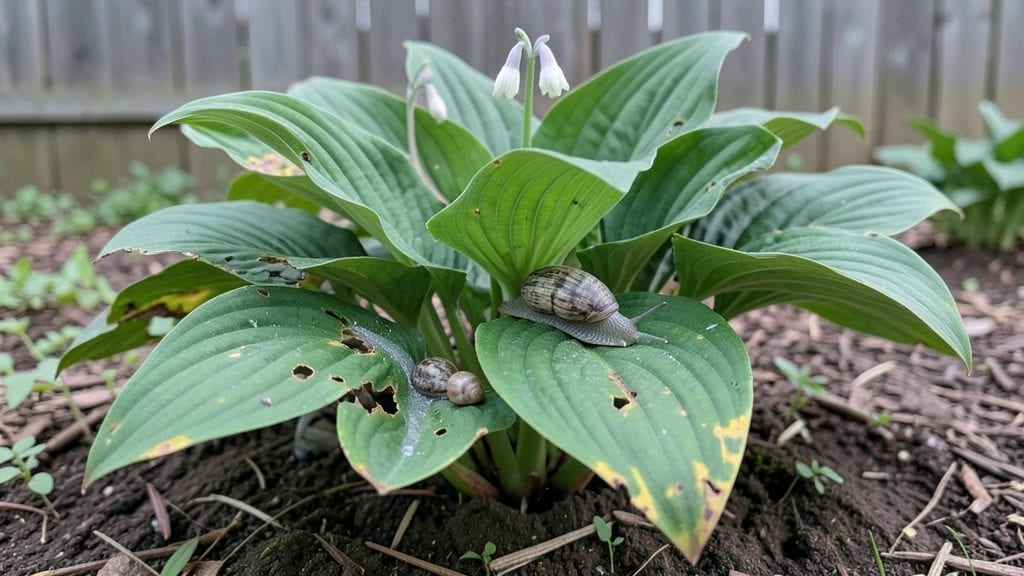
Those ragged edges and slime trails on your hosta plant aren’t just bad luck—they’re a battle with hosta plant pests like slugs, snails, and deer that turn your shade garden into an all-you-can-eat buffet.
I’ve lost count of the times I’ve woken up to hostas looking like they’ve been through a food processor, but I’ve also learned which tricks actually work to keep them looking lush and intact.
The worst offenders aren’t just pests—they’re opportunists. Slugs and snails strike after rain, deer browse when fences are weak, and even fungal issues like leaf spot can spread when humidity hangs around. The good news? Most problems have simple fixes that don’t involve chemicals.
Copper tape, beer traps, and strategic companion planting can make your hostas the last green thing standing in the neighborhood. Honestly, I’ve saved entire garden beds with just a few hours of setup.
By the end of this, you’ll spot the early signs of trouble before they become a full-blown infestation. We’re talking chewed edges, slimy trails, and those telltale brown spots that appear out of nowhere.
The right barriers and organic sprays can turn your hostas from a snack into a fortress—no more waking up to a garden that looks like it’s been through a war. Let’s get those leaves looking whole again.
Whether you’re dealing with a single slug or a herd of deer, the solutions scale to your problem. Small spaces? A few traps and some diatomaceous earth will do the trick. Bigger issues?
We’ll talk fencing, lighting, and even which hosta varieties deer avoid like the plague. Your shade garden can stay the envy of the block—no more hiding damaged plants behind bigger foliage.
Root Causes Of Hosta Damage
Hostas are prized for their lush foliage, but their tender leaves make them a prime target for pests. Understanding why these critters invade your garden is the first step to protecting your plants. Let’s break down the key factors that turn your hostas into an all-you-can-eat buffet for hungry pests.
###
🌱 Overcrowded Plantings Invite Trouble
Hostas thrive in shade, but when they’re planted too closely together, airflow between leaves is restricted. This creates a humid, damp microclimate—the perfect breeding ground for slugs, snails, and fungal diseases like Botrytis.
Poor circulation also slows drying, leaving dew and moisture on leaves longer, which attracts pests like aphids and thrips.
💡 Pro Tip: Space hostas 12–24 inches apart (depending on variety) to improve airflow. Mulch with organic matter like shredded leaves or bark to regulate moisture without suffocating roots.
###
🍃 Nutrient Imbalances Weaken Defenses
Hostas are heavy feeders, and when their soil lacks essential nutrients—especially nitrogen, potassium, or micronutrients like magnesium—their leaves become less tough and more palatable to pests. For example:
- Nitrogen deficiency → Yellowing leaves (chlorosis) signal stress, making plants more attractive to slugs and earwigs.
- Potassium deficiency → Weakened cell walls make leaves easier targets for chewing insects like cutworms.
- Magnesium deficiency → Interveinal chlorosis (yellowing between veins) reduces chlorophyll, making leaves less resistant to aphid infestations.
🌡️ Soil Test First: Use a DIY soil test kit to check pH (ideal: 6.5–7.5) and nutrient levels. Amend soil with compost, bone meal (for phosphorus), or greensand (for potassium) to bolster hosta resilience.
###
🦋 Pest Life Cycles Sync With Hosta Growth
Many hosta pests have life cycles that align with your plant’s growth stages, making them especially vulnerable at specific times:
| Pest | Peak Activity Period | Why It Targets Hostas |
|---|---|---|
| Slugs & Snails | Spring (after rain) & Fall (cool, damp nights) | Soft new growth is high in moisture and low in protective tannins. |
| Aphids | Early summer (when hostas flush with new leaves) | Tender young leaves are rich in sugars, a aphid favorite. |
| Japanese Beetles | Mid-summer (June–August) | Mature leaves are fleshy and easy to skeletonize for larvae. |
| Thrips | Late summer (when flowers appear) | Pollen and soft flower buds attract these piercing-sucking insects. |
✨ Timing Is Everything: Monitor hostas during these windows. Use row covers in spring or neem oil sprays in summer to disrupt pest life cycles before they take hold.
###
🌦️ Weather Patterns Create Pest Hotspots
Hostas are shade-loving, but their preferred growing conditions—moist, shady, and cool—are also ideal for many pests. Here’s how weather plays a role:
- Excessive Rain: Overly wet soil and foliage encourage slugs, snails, and fungal gnats. The soil stays too soft for beneficial predators like ground beetles.
- Drought Stress: Dry conditions weaken hostas, making them more susceptible to spider mites (which thrive in dry heat) and Japanese beetles (which seek out stressed plants).
- Humid Summers: High humidity promotes aphid and thrip populations by slowing their natural predators (like ladybugs) and increasing fungal growth on damaged leaves.
🎯 Microclimate Control: Improve drainage with raised beds or sand amendments if your soil stays soggy. In dry climates, drip irrigation (watering at the base) reduces leaf wetness and deters pests.
By addressing these root causes—crowding, nutrient gaps, pest life cycles, and weather patterns—you’ll disrupt the conditions that make hostas such easy targets. The next step? Proactive strategies to keep your hostas lush and pest-free!
How to solve it
When your hostas become a buffet for pests, acting fast is key—but don’t panic! 🚀 With the right tools and techniques, you can restore your plants to their lush, pest-free glory.
Below, we map out targeted solutions for the most common hosta pests, paired with proactive steps to keep them from crashing the party again.
🐛 Slugs & Snails: The Slick Sneaks
Cause: These slimy critters leave behind telltale slime trails and ragged holes in hosta leaves, especially after rain or at night.
Fix It:
- 🍳 Beer Traps: Bury a shallow dish filled with beer near your hostas. The yeast attracts slugs, and they drown—problem solved! Refresh the beer every few days.
- 👨🍳 Copper Barriers: Place copper tape or wire around plant beds. Slugs hate the electric-like shock it creates! (Reapply if it rains heavily.)
- 🥘 Handpicking: Go slug hunting at dusk with a flashlight and a bucket of soapy water. Wear gloves—trust us.
Prevent It:
- Mulch with coarse materials like pine needles or gravel (slugs dislike rough textures).
- Encourage natural predators like ground beetles and birds by adding a small water source or birdhouse nearby.
🐛 Aphids: The Sugar-Craving Swarm
Cause: These tiny green or black pests cluster on undersides of leaves, sucking sap and leaving sticky "honeydew" that attracts mold.
Fix It:
- 🔥 Blast Them Away: Spray aphids directly with a strong stream of water from your hose. Repeat every 2–3 days until gone.
- 🌡️ Soap Spray: Mix 1 tablespoon of mild liquid soap (like Castile) with 1 quart of water. Spray leaves thoroughly—aphids hate the suds!
- 🎯 Ladybugs to the Rescue: Release ladybugs or lacewings (available at garden centers). They’re aphid-munching machines!
Prevent It:
- Plant garlic, chives, or marigolds nearby—their scents repel aphids.
- Inspect new plants before adding them to your garden to catch hitchhiking pests early.
🦋 Sawfly Larvae: The Chewing Menace
Cause: These fuzzy caterpillar-like larvae skeletonize hosta leaves, leaving only the veins. They’re often mistaken for slug damage but move in groups.
Fix It:
- 🔪 Manual Removal: Drop larvae into soapy water immediately—they’re slow-moving and easy to pluck off leaves.
- 🌿 Neem Oil Spray: Mix 1 teaspoon neem oil with 1 quart of water and ½ teaspoon mild soap. Spray every 5–7 days until larvae disappear.
- 🐦 Bird-Friendly Garden: Birds like robins and chickadees love to snack on sawfly larvae. Add bird feeders to lure them in!
Prevent It:
- Remove and destroy egg masses (tiny white clusters on leaf undersides) in early spring.
- Use row covers over young hostas until they’re established (sawflies lay eggs in spring).
🐜 Spider Mites: The Tiny Web Weavers
Cause: These microscopic pests thrive in dry heat, spinning fine webs and causing stippled, yellowing leaves. Check undersides for them!
Fix It:
- 💦 Increase Humidity: Spider mites hate moisture. Mist hostas daily or use a hose-end spray nozzle to blast them off.
- 🌿 Oil Spray: Mix 2 tablespoons of horticultural oil with 1 quart of water. Spray leaves thoroughly (repeat every 5 days).
- 🎯 Predatory Mites: Release persimmon mites or phytoseiulus mites—they’re natural spider mite hunters!
Prevent It:
- Avoid over-fertilizing with nitrogen—it attracts mites. Use a balanced fertilizer instead.
- Plant dill, fennel, or cosmos nearby to attract beneficial wasps and lacewings.
🐞 Japanese Beetles: The Leaf Skeletons
Cause: These metallic-green beetles chew irregular holes in hosta leaves, leaving a lace-like pattern. They’re aggressive and multiply fast!
Fix It:
- 🍎 Handpick & Drown: Drop beetles into a bucket of soapy water during peak feeding hours (early morning). Wear gloves—they bite!
- 🌿 Neem Oil or Kaolin Clay: Spray leaves with neem oil or dust with kaolin clay to deter feeding.
- 🐦 Milky Spore or Beneficial Nematodes: Apply milky spore to soil to reduce grub populations long-term.
Prevent It:
- Set up Japanese beetle traps far from your hostas—they attract more beetles if placed nearby!
- Plant trap crops like roses or grapes to lure beetles away from your hostas.
Pro Tip: 💡 Rotate your methods! Pests often build resistance to single treatments. Combine physical removal, natural predators, and organic sprays for the best results. And always test sprays on a small leaf first to avoid damaging your hostas.
Frequently asked questions
How do I tell if my hosta leaves are damaged by pests vs. disease?
Check for key differences: pests leave ragged holes, slime trails, or skeletonized leaves, while diseases often cause spots, discoloration, or powdery coatings. Slugs and snails leave shiny trails, while aphids cluster on undersides, leaving sticky residue. If you spot irregular chew marks, it’s likely pests like Japanese beetles or sawfly larvae. For fungal issues, look for yellowing or brown patches that spread without obvious chewing.
Are there hosta varieties that pests avoid?
Yes! Some hostas are less appealing to pests due to their tougher leaves or bitter compounds. Variegated varieties like 'Blue Angel' or 'Halcyon' often deter slugs because their patterned leaves are less tender. Deer tend to avoid strong-scented varieties like 'Royal Standard' or 'Francee' due to their robust foliage. Planting these as border hosts can create a natural barrier for other, more vulnerable varieties.
Why do slugs and snails seem to appear overnight?
Slugs and snails are nocturnal feeders, emerging after dark when humidity is high. They’re drawn to moist, shady areas—perfect for hostas! Rainfall triggers their activity, as it softens the soil and makes leaves more tender. To catch them in action, set up beer traps or copper barriers at dusk—they’re most active during the first few hours after dark. Morning inspections often reveal their slime trails, but you’ll need to act at night to stop the damage.
Can I use diatomaceous earth on hostas, and how?
Diatomaceous earth (food-grade) is a natural, non-toxic powder that dehydrates pests like slugs, snails, and aphids. Sprinkle a thin layer around the base of hostas and on leaves, focusing on undersides and edges. Reapply after rain, as it loses effectiveness when wet. Avoid overusing it—too much can harm beneficial insects like bees. For best results, combine it with coarse mulch to deter pests from crawling onto your plants.
How do I prevent deer from browsing my hosta plants?
Deer avoid strong-smelling or tough-textured plants, so try these tricks: Plant deer-resistant varieties like 'Blue Angel' or 'Francee' in the front row. Surround hostas with thorny plants like barberry or roses to create a natural fence. For heavy deer pressure, use 8-foot-tall fencing (deer can jump surprisingly high!). Motion-activated sprinklers can also startle them away. Finally, apply deer repellent sprays (like those with putrescent egg solids) to leaves—deer dislike the smell.