Pests
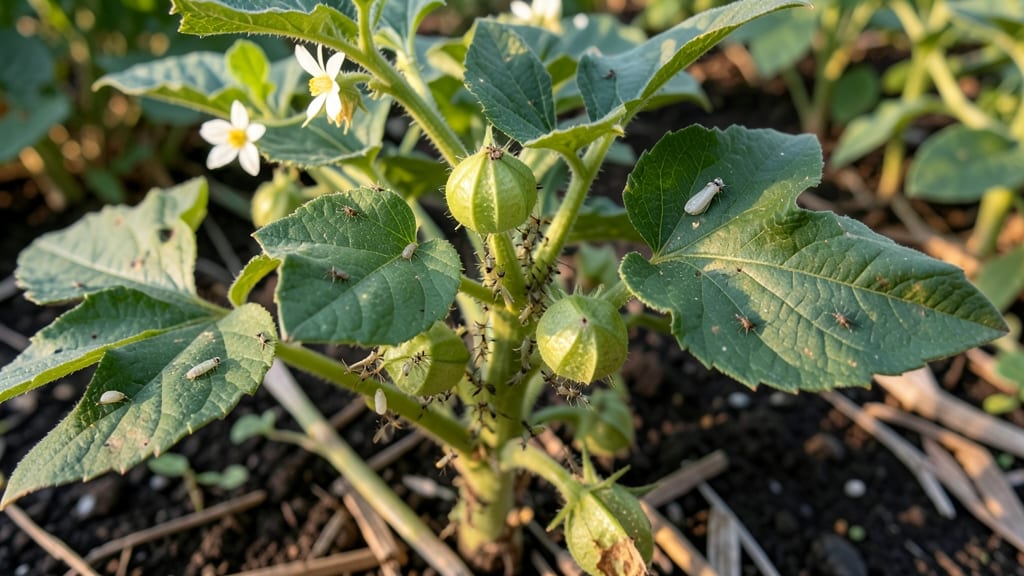
Tomatillo plant pests like aphids and whiteflies can turn your crisp, tangy harvest into a chewed-up mess if you don't catch them early. 🌱 I've seen entire plants wilt overnight from sap-sucking invaders, but the good news?
You don't need harsh chemicals to fight back—just a few targeted, organic tricks that work faster than you'd think.
The real culprits are usually tiny but relentless: aphids cluster on new growth, whiteflies flutter under leaves, and fungal gnats hover near damp soil. These pests thrive when plants are stressed—whether from overwatering, poor air circulation, or nutrient deficiencies.
My first year growing tomatillos, I lost half my crop to a whitefly outbreak because I ignored the sticky residue on leaves.
With the right approach, you'll have those pests under control in days, not weeks. Start by inspecting leaves daily for early signs—curling edges, webbing, or tiny insects—and blast them off with a strong stream of water.
For stubborn infestations, neem oil or insecticidal soap does the job without harming your plants (or your conscience).
Prevention is just as simple: keep plants well-spaced, remove debris regularly, and introduce beneficial insects like ladybugs or lacewings. My tomatillos now produce more fruit than ever, and the pests? Barely a memory. Here's how to keep your plants thriving without the chemical battle.
Root Causes of Tomatillo Plant Pests
Tomatillo plants, with their vibrant green husks and tangy fruit, are a gardener’s delight—but they’re also a magnet for pests. Understanding why these critters target your tomatillos is the first step to protecting your harvest.
Below, we break down the key factors that turn your garden into an all-you-can-eat buffet for unwanted visitors.
---
🌱 Why it happens: Tomatillos thrive in spacious, well-aerated conditions, but when plants grow too close together, humidity rises, and airflow stalls.
This creates the perfect storm for: - Fungal diseases (like powdery mildew or early blight), which attract pests like aphids, whiteflies, and spider mites—they’re drawn to weakened plants. - Soft-bodied pests that thrive in damp, shaded environments where natural predators (like ladybugs or lacewings) can’t patrol effectively. - Root stress, making plants more vulnerable to cutworms or slugs, which target struggling seedlings.
💡 Pro Tip: Space tomatillo plants 18–24 inches apart and prune lower leaves to improve airflow. If you’re growing in containers, ensure pots have drainage holes to prevent soggy roots.
---
🍃 Why it happens: Tomatillos are heavy feeders, and when they lack key nutrients, their natural pest-resistance drops.
Common deficiencies that invite trouble: - Low nitrogen (N): Leads to pale, weak foliage, making plants easy targets for chewing insects (like tomato hornworms or beetles). - Deficient phosphorus (P): Slows root growth, leaving plants susceptible to root-feeding pests (e.g., wireworms or grubs). - Magnesium or calcium shortages: Cause blossom-end rot (a stress signal that attracts fruit flies and borers).
🔍 Science Note: Healthy plants produce volatile organic compounds (VOCs) that repel pests. When stressed, these compounds weaken, making your tomatillos smell like an open invitation.
🌡️ Fix It: Test your soil and amend with compost, balanced organic fertilizer (like 5-5-5), or crushed eggshells (for calcium). Avoid over-fertilizing with nitrogen—it promotes lush growth that pests love.
---
💦 Why it happens: Tomatillos hate soggy feet—yet underwatering turns them into pest magnets too.
Here’s how water affects pest pressure: - Overwatering: - Creates muddy soil, inviting slugs, snails, and cutworms (they thrive in damp conditions). - Encourages fungal growth (like blight), which draws sap-sucking insects (aphids, whiteflies). - Weakens roots, making plants susceptible to root-knot nematodes. - Underwatering: - Stresses plants, reducing their ability to produce bitter alkaloids (natural pest deterrents). - Makes fruit dry and wrinkled, attracting fruit flies and earwigs.
⏰ Golden Rule: Water deeply 1–2 times per week (depending on climate), aiming for 1–1.5 inches of water per week. Use drip irrigation to keep foliage dry and discourage fungal pests.
---
🐞 Why it happens: Pests don’t attack healthy gardens—they attack monocultures or chemically treated soils that lack natural balance.
Common imbalances: - No pollinators or predator insects: If your garden lacks ladybugs, lacewings, or parasitic wasps, pests like aphids and mites explode unchecked. - Overuse of synthetic pesticides: Kills beneficial nematodes and ground beetles, which hunt pests like grubs and caterpillars. - Homogeneous planting: Large blocks of tomatillos (without companion plants) offer no refuge for predator insects.
🎯 Solution: Plant pest-repelling companions like: - Basil or marigolds (deter whiteflies and aphids). - Nasturtiums (trap aphids away from tomatillos). - Dill or fennel (attracts parasitic wasps that hunt caterpillars).
🔥 Bonus: Install a small water source (like a shallow dish with pebbles) to attract ladybugs and lacewings—they’ll move in and start hunting pests for you!
--- 🕰️ Why it happens: Pests don’t attack randomly—they follow seasonal patterns tied to tomatillo growth stages: - Early season (seedlings): Cutworms and slugs target young, tender plants because they’re high in moisture and low in defenses. - Flowering stage: Tomato hornworms and fruit flies appear, drawn to sweet nectar and blossoms. - Fruiting stage: Aphids and mites cluster on ripe, sugary fruit, while stink bugs pierce husks to feed.
📊 Prevention Calendar: | Stage | Common Pests | Preventative Action | |------------------|----------------------------|--------------------------------------------------| | Seedlings | Cutworms, slugs | Use diatomaceous earth or copper tape | | Flowering | Hornworms, fruit flies | Handpick pests or use BT (Bacillus thuringiensis) spray | | Fruiting | Aphids, mites, stink bugs | Spray neem oil or introduce predatory mites |
--- 🌡️ Why it happens: Tomatillos are heat-loving but hate humidity—and pests exploit these preferences: - Hot, dry climates: Attract spider mites (they thrive in drought-stressed plants). - Humid or rainy seasons: Encourage fungal pests (like whiteflies) and soft-bodied insects that need moisture to survive. - Poor drainage: Leads to root rot, which weakens plants and invites grubs and wireworms.
🌿 Climate Hacks: - Mulch heavily in hot climates to retain moisture (but avoid thick organic mulch in humid areas—it traps dampness). - Choose resistant varieties like ’Purple De Rico’ (shows tolerance to some pests). - Raise beds in soggy soils to improve drainage and deter root pests.
Quick Fixes for Tomatillo Pests
When pests invade your tomatillo plants, acting fast is key to saving your harvest. Below are targeted, organic solutions for common culprits, along with preventative steps to keep your plants thriving. No harsh chemicals—just practical, garden-friendly fixes!
---
Signs: Curled leaves, sticky residue (honeydew), or ants trailing up the stems (they love aphid secretions).
How to Fix It: - 💦 Blast Them Off: Spray plants with a strong stream of water (early morning works best). Repeat every 2–3 days until gone. - 🌿 Soapy Suds Spray: Mix 1 tsp mild liquid soap (like Castile) + 1 quart water. Spray directly on aphids—avoid flowers to protect pollinators. - 🐞 Introduce Predators: Ladybugs and lacewings devour aphids. Buy them online or attract them with dill or fennel in nearby pots.
Prevention Tips: - 🌱 Plant Companion Crops: Marigolds and basil repel aphids naturally. - 🌿 Inspect New Plants: Quarantine any new additions for 1–2 weeks before planting.
---
Signs: Tiny white moths fluttering when you disturb leaves; yellowing leaves and sticky residue underneath.
How to Fix It: - 🕯️ Yellow Sticky Traps: Hang yellow cards coated in petroleum jelly near plants to trap adults. - 🌬️ Fan Them Away: Use a box fan on low near plants for 10–15 minutes daily to disrupt their flight. - 🍋 Neem Oil Spray: Mix 1 tbsp neem oil + 1 tsp soap + 1 quart water. Spray under leaves (where they hide) every 5–7 days.
Prevention Tips: - 🌿 Mulch Heavily: Whiteflies love dry soil—keep mulch thick to retain moisture. - 🌱 Avoid Overcrowding: Space plants for airflow; whiteflies thrive in stagnant conditions.
---
Signs: Leaves suddenly chewed at night; plants topple over (cutworms slice stems at soil level).
How to Fix It: - 🔦 Night Patrol: Shine a flashlight at dusk—cutworms will uncurl. Pick them off by hand and drop in soapy water. - 🥄 Collar Barrier: Wrap cardboard collars (or aluminum foil) around stems at soil level to block their access. - 🌿 Beer Trap: Bury a small container filled with beer near plants—cutworms crawl in and drown (gross but effective!).
Prevention Tips: - 🌱 Plant Late: Start seeds indoors and transplant after the last frost to avoid early-season worms. - 🌿 Tilling Trick: Lightly till soil in early spring to expose overwintering pupae to birds and predators.
---
Signs: Wilting plants, sawdust-like frass near stems, or holes in leaves/stems.
How to Fix It: - 🔪 Prune & Burn: Cut away infested stems below the damage, then burn or compost (don’t reuse soil). - 🌿 Diatomaceous Earth: Sprinkle food-grade DE around the base of plants—it’s harmless to you but deadly to borers. - 🍋 Beneficial Nematodes: Apply heterorhabditis bacteriophora nematodes to soil (they seek out and kill larvae).
Prevention Tips: - 🌱 Rotate Crops: Avoid planting tomatillos in the same spot yearly. - 🌿 Clean Debris: Remove fallen leaves and stems promptly to eliminate hiding spots.
--- Want to keep pests away before they arrive?
Follow these proactive steps: - 🌱 Healthy Soil = Strong Plants: Amend soil with compost and worm castings for resilience. - 💧 Water Wisely: Water early morning (avoid wet foliage, which attracts pests). - 🌿 Crop Rotation: Move tomatillos to a new spot every 2–3 years to disrupt pest cycles. - 👀 Monitor Regularly: Check undersides of leaves and new growth weekly for early signs.
--- 💡 Pro Tip: If pests persist, quarantine affected plants immediately to prevent spread. Most issues resolve within 1–2 weeks of consistent treatment—so stay vigilant!
Frequently asked questions
What are the most common pests that attack tomatillo plants?
The top culprits include aphids (clustered on new growth), whiteflies (fluttering under leaves), cutworms (chewing seedlings at night), and tomato hornworms (stripping foliage). Fungal issues like powdery mildew also create conditions that attract sap-sucking pests. Early detection is key—check undersides of leaves weekly.
How can I tell if my tomatillo plants have pests before the damage is severe?
Watch for these early signs: curling leaves (aphids), sticky residue (honeydew from whiteflies), tiny holes in leaves (early caterpillar activity), or ants trailing up stems (they farm aphids). Shake plants over a white sheet—falling insects reveal hidden infestations.
Are there organic sprays that work against tomatillo pests?
Yes! Neem oil (1 tbsp + 1 tsp soap per quart of water) smothers soft-bodied pests like aphids and whiteflies. For chewing insects, try Bacillus thuringiensis (BT) spray, which targets caterpillars without harming beneficial insects. Always spray in the early morning to avoid harming pollinators.
Can companion planting actually deter pests from tomatillo plants?
Plant marigolds (repel whiteflies), basil (deters aphids), or nasturtiums (trap aphids away from your tomatillos). Dill and fennel attract parasitic wasps that hunt caterpillars—place these strategically around your garden for natural pest control.
What should I do if my tomatillo plants already have a severe pest infestation?
Act fast: isolate affected plants to prevent spread, then apply insecticidal soap or neem oil immediately. For cutworms, wrap stems with cardboard collars. If fungal pests (like whiteflies) are present, improve airflow by pruning lower leaves and spacing plants 18–24 inches apart. Severe cases may require removing heavily infested plants and amending soil with compost.