
Pests
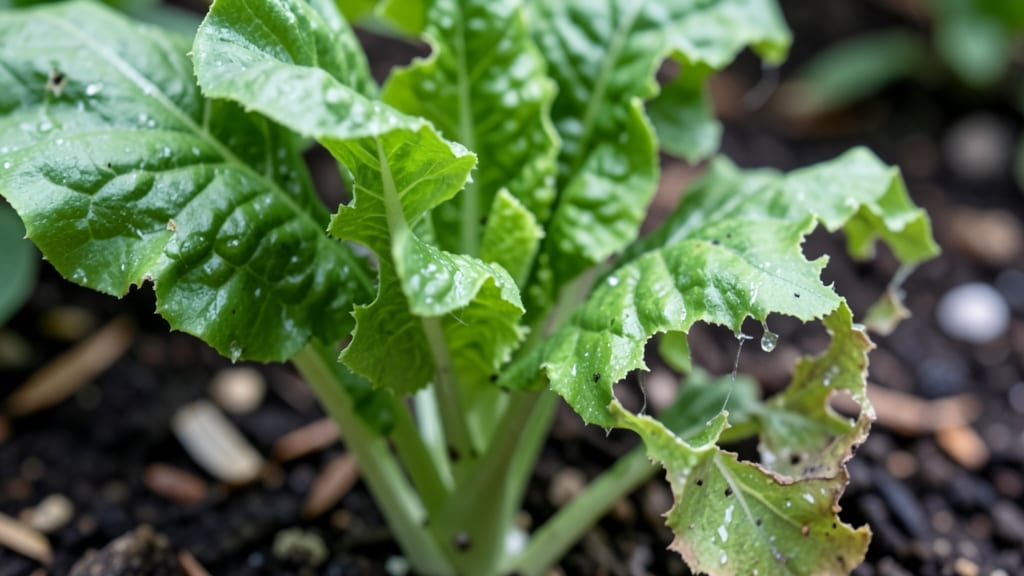
Slug damage turns your thriving plants into sad, skeleton leaves overnight—something I learned the hard way after my hostas looked like lace curtains. 🌿 The slime trails and chewed edges are unmistakable, but the good news?
You can rescue your plants and stop these slimy pests before they ruin your garden.
Most gardeners panic when they spot the damage, but slugs leave clues: silvery slime on leaves, ragged holes along edges, and tiny eggs hidden in moist soil.
The key is acting fast—these pests multiply overnight, so checking plants at dusk (when they’re most active) saves you from waking up to a destroyed salad patch.
With the right traps, barriers, and plant choices, you’ll see fresh growth within days. I’ve tried everything from beer traps to copper tape, and the best solutions depend on your garden’s layout and the plants you’re protecting.
The goal isn’t just to stop the damage—it’s to create a slug-proof zone where your plants thrive.
Whether you’re dealing with lettuce, tomatoes, or hostas, these methods work for common slug hotspots. The secret? Combining physical barriers with natural deterrents so you don’t have to rely on chemicals. Let’s get your garden back to full, lush life.
The Hidden Triggers Behind Plant Devastation
Slugs don’t just appear out of nowhere—they’re drawn to your garden by specific conditions that turn your lush plants into an all-you-can-eat buffet. Understanding these triggers is the first step to stopping the damage before it starts.
Let’s break down the key factors that turn your garden into a slug paradise.
Slugs are 90% water by weight, so they thrive in moist environments. Overwatered soil, heavy dew, or poor drainage creates the ideal conditions for these slimy pests to multiply. Here’s why it’s a problem:
- Slow evaporation: Dense foliage or mulch traps moisture near the soil, keeping slugs hydrated and active even during the day.
- Breeding grounds: Damp soil allows slug eggs to hatch quickly (they prefer temperatures above 50°F), leading to explosive populations in weeks.
- Reduced predator activity: Birds and ground beetles (natural slug enemies) avoid soggy soil, giving slugs free rein.
💡 Pro Tip: Test your soil’s moisture by squeezing a handful—if water drips out, it’s too wet. Aim for damp but not soggy soil.
Slugs are nocturnal for a reason—they avoid dry air and predators by hunting under cover of darkness. Their activity peaks when:
- Humidity rises: Evening dew or mist signals safe, moist conditions for crawling.
- Temperatures drop slightly: Slugs prefer 55–75°F; cooler nights keep them sluggish during the day but hungry at night.
- Plants release sugars: After sunset, plants photosynthesize less, making their leaves softer and more palatable.
🌡️ Science Note: Slugs can detect chemical cues from damaged plants—once one starts feeding, others follow the scent trail like a GPS.
Not all plants are equally appealing to slugs. They target young, tender growth because it’s easier to digest and packed with nutrients. Look for these red flags:
| Plant Type | Why Slugs Love It | Risk Level |
|---|---|---|
| Hostas, Lettuce, Calendula | Thin leaves, high moisture content, mild flavor | ⭐⭐⭐⭐⭐ (Extreme) |
| Newly Germinated Seeds | Soft stems, no protective bark yet | ⭐⭐⭐⭐⭐ (Extreme) |
| Fruiting Plants (Strawberries, Tomatoes) | Sweet, juicy fruit attracts slugs for a sugar rush | ⭐⭐⭐⭐ (High) |
| Mature Trees/Shrubs (e.g., Oak, Maple) | Bark is too tough; slugs ignore unless desperate | ⭐ (Low) |
🎯 Prevention Hack: Plant slug-resistant borders like lavender, thyme, or marigolds around high-risk plants to create a natural barrier.
Slugs avoid open, sunny areas—they desiccate (dry out) in direct sunlight. Instead, they lurk in:
- Shady or partially shaded beds: Less sunlight = slower evaporation = longer slug survival.
- Low-lying areas: Water pools after rain, creating slug highways.
- Under debris or thick mulch: Leaves, rocks, or wood piles provide shelter and humidity.
🔥 Warning: A single 1-inch layer of mulch can increase slug populations by 300% by trapping moisture.
Now that you know why slugs are wreaking havoc, the next step is actionable fixes to reclaim your garden. Stay tuned!
Fixing and Preventing Plant Damage
Slugs may seem like tiny troublemakers, but their damage can quickly turn your lush garden into a chewed-up mess. The good news? With the right approach, you can reverse the harm and keep them away for good.
Below are practical, slug-proof solutions tailored to the most common causes of damage—plus prevention tips to protect your plants long-term.
If your plants are already showing ragged edges, slime trails, or missing chunks, act quickly to minimize further destruction.
🍳 Immediate Rescue: Manual Removal
- Go slug hunting at night 🌙—slugs are most active after dark. Use a flashlight (or a headlamp) to spot them near plants.
- Pick them up with gloves (or a damp towel) and drop them in soapy water 🧼 (a humane but effective method).
- Check under mulch, pots, and dense foliage—these are slug hideouts.
👨🍳 Natural Traps & Barriers
- Beer traps work 🍺: Bury a shallow dish filled with beer near affected plants.
Slugs crawl in but can’t escape. - Copper tape ⚡: Wrap it around pots or garden beds—slugs get a mild electric shock and avoid it. - Diatomaceous earth 🔬: Sprinkle food-grade DE around plants (reapply after rain). It dehydrates slugs without chemicals.
🥘 Repair Damaged Foliage
- Trim severely chewed leaves ✂️ to encourage new growth.
- Fertilize lightly 🌱 with compost or balanced fertilizer to help plants recover faster.
Slugs don’t just snack on leaves—they munch on young stems and roots, weakening plants over time.
🔪 Protect Vulnerable Areas
- Use crushed eggshells or gravel 🥚 as a physical barrier around plant bases (but avoid deep mulch, which attracts slugs).
- Plant slug-resistant companions 🌿 like lavender, thyme, or marigolds near susceptible plants (slugs dislike their scent).
- Elevate young seedlings 🌱 in pots or raised beds until they’re strong enough to fend off pests.
⏰ Long-Term Soil Solutions
- Improve drainage 💧—slugs thrive in damp, shaded soil.
Add sand or perlite to heavy clay. - Encourage predators 🐸: Attract frogs, toads, and ground beetles by keeping a small pond or log pile in your garden. - Rotate crops 🌾 if slugs target specific plants (like lettuce or hostas) to break their cycle.
✅ Water in the morning 🌞—slugs avoid dry conditions, so early watering reduces their activity. ✅ Remove hiding spots 🪑—clear debris, boards, and dense ground cover where slugs nest. ✅ Try coffee grounds ☕—sprinkle used grounds around plants (the acidity deters slugs). ✅ Plant slug magnets away 🌿—let slugs feast on sacrificial plants like nasturtiums or borage instead of your veggies.
If slugs keep coming back despite your efforts, consider organic pesticides like:
- Iron phosphate baits 🍪 (safe for pets and wildlife).
- Nematodes 🪱 (microscopic predators that kill slugs naturally).
By combining quick fixes with preventive strategies, you can save your plants and enjoy a slug-free garden. Start with one or two methods, monitor progress, and adjust as needed—your greenery will thank you! 🌿✨
Frequently asked questions
What do slug-damaged leaves look like?
Look for irregular holes along leaf edges and silvery slime trails on foliage or soil. Slugs leave behind ragged, jagged edges (not clean cuts like insects) and often target young, tender growth first. Check under leaves too—they hide there during the day.
Can my plants recover from slug damage?
Yes! Trim severely chewed leaves to encourage new growth and fertilize lightly with compost. Most plants bounce back within 1-2 weeks if the damage isn’t too severe. For root damage, focus on improving soil drainage and using barriers to prevent further attacks.
Are there slug-resistant plants I can grow instead?
Opt for lavender, rosemary, thyme, or marigolds—slugs dislike their strong scents. Other tough options include geraniums, snapdragons, and ferns. For veggies, try kale or Swiss chard, which slugs avoid more than lettuce or spinach.
Will coffee grounds really keep slugs away?
Yes, but use them sparingly! Sprinkle used coffee grounds around plant bases—they create a barrier slugs dislike. However, they can alter soil pH over time, so mix them with compost or reapply every few weeks. Test on a small area first.
How do I know if slugs are still active in my garden?
Check for fresh slime trails at dawn or after rain, or look for tiny egg clusters in moist soil (they’re jelly-like and 1/4-inch wide). Place a flat board on the ground overnight—slugs will hide underneath. If you find any, they’re still a problem!