
Companion Plants
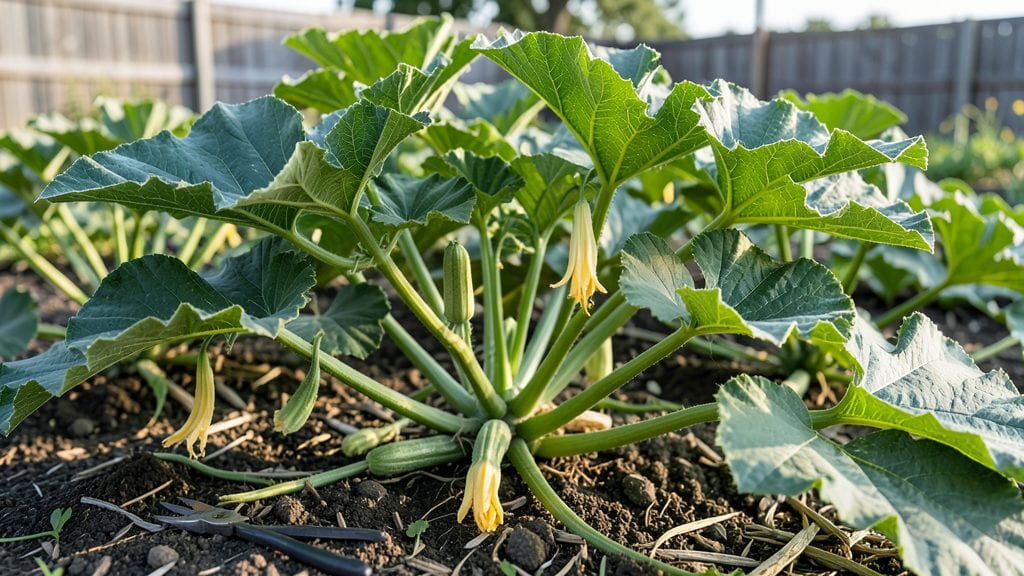
Hermaphroditism in plants means a single flower has both male and female reproductive parts, allowing self-pollination and often boosting fruit production without relying on separate male and female plants. This trait is especially common in tomatoes, squash, and peppers, making them more reliable in gardens and greenhouses.
This natural dual-sex trait eliminates the need for cross-pollination, which is why gardeners love it for consistent harvests. 🌱 For example, cucumbers often develop hermaphroditic flowers when stressed by heat or drought, adapting to survive and produce fruit even in tough conditions.
The result? More reliable yields with less effort, especially in controlled environments like greenhouses where pollinators might be scarce.
What's fascinating is how this trait evolved—many plants developed hermaphroditism as a survival strategy to ensure reproduction even when pollinators were scarce. This biological flexibility gives gardeners an edge, particularly with crops like peppers, where hermaphroditic varieties can produce fruit more predictably than their dioecious (separate-sex) counterparts.
💡 In This Article
- How Plant Hermaphroditism Works Biologically
- Maximizing Fruit Production with Hermaphroditic Plants
How plant hermaphroditism works biologically
Here's what's actually happening inside a hermaphroditic flower: the plant combines both pistils (female reproductive organs) and stamens (male reproductive organs) in a single bloom. This dual structure allows the flower to self-pollinate efficiently, with pollen from the stamens transferring directly to the pistil's stigma.
The key factor is ethylene gas—a plant hormone that triggers this transition, especially under stress conditions like temperature fluctuations or water scarcity.
Take cucumbers as a perfect example: their flowers start male, but when exposed to temperatures above 75°F or below 55°F, they produce hermaphroditic blooms within 7-10 days. This adaptation explains why greenhouse growers often see more fruit set during heatwaves.
The hormonal shift isn't just about temperature—drought stress or even physical damage can trigger it too, demonstrating nature's clever redundancy system.
This mechanism differs dramatically from dioecious plants like holly or asparagus, where male and female flowers grow on separate plants entirely. In hermaphroditic species, the genetic material stays within the same plant, creating more stable offspring.
This is why gardeners notice fewer deformed fruits—the absence of cross-pollination reduces genetic variability that could lead to problems. The trade-off? Some varieties become less adaptable over generations without external pollen sources.
What most people don't realize is how precise this biological timing gets. The stamens in hermaphroditic flowers often release pollen before the pistil becomes receptive—a clever adaptation to prevent self-fertilization that could lead to weak seeds.
Instead, they wait for external pollinators to complete the process, creating a perfect balance between self-sufficiency and genetic diversity. This dual strategy explains why hermaphroditic plants thrive in both wild and controlled environments.
Consider the case of squash plants: their first flowers are typically male, but as the plant matures, later blooms develop both reproductive structures. This sequential development ensures the plant has time to establish itself before committing to fruit production.
The hormonal signals that trigger this transition involve complex interactions between ethylene, gibberellins, and auxins—plant growth regulators that coordinate the entire process at a cellular level.
The visual difference between hermaphroditic and dioecious flowers is striking. A hermaphroditic bloom might show both the prominent pistil (with its feathery stigma) and the surrounding stamens (with their pollen-producing anthers) in the same structure.
In contrast, dioecious flowers present as either entirely male (with just stamens) or entirely female (with just pistils), requiring separate plants for reproduction. This anatomical difference explains why hermaphroditic varieties often produce fruit more reliably in isolated garden settings.