Size
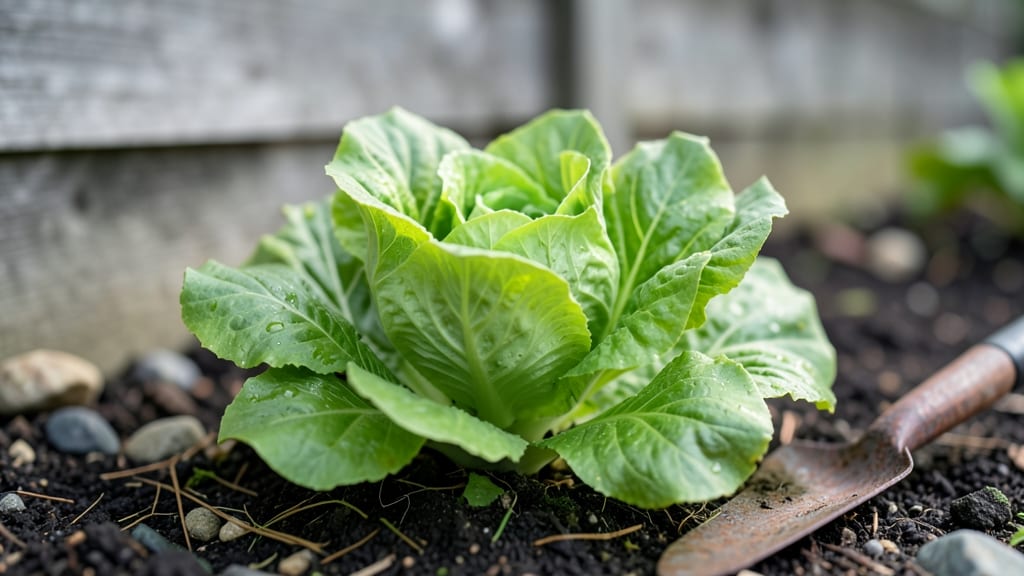
The right moves can help plants grow faster—science-backed tricks for stronger roots start with understanding what they actually need, not guesswork. 🌱 I spent years watching seedlings struggle, only to realize most growth problems come from three overlooked factors: soil aeration, water consistency, and light timing.
The right combo turns weak stems into sturdy plants in weeks.
You don’t need fancy tools—just a few key adjustments. Fluffy, well-draining soil mixes (think 60% organic matter, 40% perlite or compost) let roots breathe, while watering at the base—not overhead—prevents fungal rot.
And here’s the game-changer: most plants grow fastest when light hits them for 12-14 hours a day, even if it’s artificial. My herbs went from leggy to bushy in under a month once I fixed this.
By the end, you’ll spot the difference: roots twice as thick, leaves a deeper green, and plants that reach for sunlight instead of flopping. The best part? These tricks work for tomatoes, basil, and even finicky flowers. No more waiting months for growth—just steady, science-backed progress from day one.
Works for containers, raised beds, or in-ground gardens—no matter your setup. Let’s get those roots growing the right way.
📚 In This Guide
- What you need
- Instructions
- Tips and common mistakes
- Wrapping up and next steps
What you need
- ● Containers or Garden Beds: Pots (5–10 inches deep) – 1–5 per plant, depending on size
- ● Grow bags (5–10 gallons) – 1–2 per large plant
- ○ Raised beds (optional) – Minimum 6 inches deep
- ● Growing Medium: Potting soil (sterilized) – 2–3 cubic feet per container
- ● Perlite or vermiculite (for drainage) – 1 part per 4 parts soil
- ○ Coco coir (optional, for moisture retention) – Mix 1:1 with soil
- ● Fertilizers & Nutrients: Balanced fertilizer (10-10-10 or 20-20-20) – Follow label instructions
- ● Compost or worm castings (organic) – 1 cup per plant, monthly
- ● Liquid seaweed extract (growth booster) – 1 tbsp per gallon of water
- ● Watering Tools: Watering can (with rose attachment) – 1 per 2–3 plants
- ● Spray bottle (for seedlings) – 1 for delicate plants
- ○ Moisture meter (optional) – Ensures precise watering
- ● Lighting: Grow lights (LED or fluorescent) – 12–16 hours/day for indoor plants
- ● Sunlight access (south-facing window or greenhouse)
- ● Plant supports (stakes, trellises) – For vining plants like tomatoes or cucumbers
- ● pH testing kit – Ensures soil is 6.0–7.0 for most plants
- ● Mulch (straw, wood chips) – Retains moisture and suppresses weeds
- ● Pruning shears – For trimming dead leaves or shaping plants
- ● Plant markers – To track varieties and watering schedules
Science-backed tricks for faster, stronger roots
Here’s how to supercharge growth using proven techniques—no fancy tools needed.
🌱 Step 1: Boost Germination with Warmth and Moisture
Start by soaking seeds in lukewarm water for 12 hours before planting. This softens the seed coat and speeds up germination by up to 50%. Place damp paper towels in a sealed container with the seeds, then set it on top of your fridge—this creates an ideal 80-85°F environment. Check daily until you see tiny roots (usually 3-5 days).
Once roots appear, plant them ½ inch deep in moist soil. The key here is consistency—keep the soil evenly damp but not soggy. Overwatering now will suffocate roots before they even start. A spray bottle works best to avoid displacing seeds.
☀️ Step 2: Optimize Light for Stocky, Healthy Growth
Move seedlings to a south-facing window or under a grow light within 3-5 days of sprouting. Without enough light, plants stretch weakly toward any source—this is called "legginess," and it’s nearly impossible to correct later. Position the light 2-3 inches above the plants and keep it on for 14-16 hours daily.
Rotate the pot a quarter turn every 2 days so all sides get equal light. You’ll notice stronger stems and darker green leaves within a week—that’s your sign the light is working. If leaves touch the light, raise it immediately to prevent scorching.
💧 Step 3: Water Deeply but Infrequently
Water only when the top inch of soil feels dry—this encourages roots to grow deeper in search of moisture. Use a watering can with a narrow spout to direct water straight to the soil, not the leaves. Aim for ½ cup per plant at each watering, letting excess drain completely.
Morning is the best time to water—it gives roots time to absorb moisture before evening heat evaporates it. Yellowing leaves or wilting mean you’re either overwatering or underwatering. Adjust based on what you see: droopy leaves need water; crispy edges mean you’re drowning the roots.
✂️ Step 4: Prune for Stronger Root Systems
When plants reach 4-6 inches tall, pinch off the top set of leaves just above a pair of healthy leaves. This may seem counterintuitive, but it forces energy downward into root growth instead of upward into foliage. You’ll see thicker stems and more robust plants within 2-3 weeks.
Remove any yellow or damaged leaves immediately—they drain nutrients. Use clean, sharp scissors to avoid tearing stems. Pruning also improves airflow, which prevents fungal diseases that can rot roots. Think of it as giving your plant a haircut to build muscle.
🪴 Step 5: Feed Roots with the Right Fertilizer
Wait until plants have 4-5 true leaves before fertilizing. Use a balanced 10-10-10 fertilizer diluted to half strength—too much too soon burns roots. Mix it into the top 2 inches of soil and water deeply to help it reach the roots. You’ll notice faster leaf growth and darker stems within 7-10 days.
Avoid liquid fertilizers until roots are established—you’ll know they’re ready when you see new leaves emerging faster than old ones falling. Over-fertilizing now will create weak, floppy plants. Less is more: feed lightly every 2 weeks during active growth.
Tips & tricks for faster, stronger roots
These science-backed tricks will help you grow plants that thrive from day one—no green thumb required.
Germination Hack: After your 12-hour soak, place the sealed container in a warm spot like on top of your fridge to maintain that ideal 80-85°F range. I've found using a plastic bag with a twist tie creates a mini greenhouse effect that speeds up germination even faster—just poke a few holes for airflow. The key is keeping that moisture consistent while preventing mold.
Light Positioning: When setting up your grow light for those 14-16 hours daily, position it just 2-3 inches above the seedlings. I like to use a small clip-on light that I can easily adjust as plants grow. Watch for leaves touching the light—this is your signal to raise it immediately. I've ruined seedlings this way before, and it's heartbreaking to watch them scorch!
Watering Technique: The "top inch dry" rule is your best friend, but here's what nobody tells you—morning watering is non-negotiable. I've learned this the hard way after losing seedlings to evening water evaporation. Use a spray bottle for delicate seedlings to avoid disturbing the soil, and always water at the base rather than overhead. This prevents fungal diseases that can rot roots before they even get established.
Pruning Timing: When your plants hit that 4-6 inch mark for pruning, don't wait until they're leggy. I've seen plants go from perfect to sad in just a few days when I delayed pruning. Use clean scissors and make cuts just above a set of healthy leaves—this forces energy downward where you want it. The results are thicker stems and more robust growth within just 2-3 weeks. It's like giving your plant a growth steroid!
Pro Tips for Help Plants Grow
- These science-backed tricks will help you grow plants that thrive from day one—no green thumb required.
- Germination Hack: After your 12-hour soak, place the sealed container in a warm spot like on top of your fridge to maintain that ideal 80-85°F range.
- Light Positioning: When setting up your grow light for those 14-16 hours daily, position it just 2-3 inches above the seedlings.
Frequently asked questions
Got questions about helping your plants thrive? You’re not alone—growing strong, healthy plants takes curiosity and the right know-how! Here are answers to the most common questions to keep your green friends flourishing.
How often should I water my plants to help them grow faster?
Watering depends on the plant, soil, and climate, but a general rule is 1-1.5 inches per week for most garden plants. Check soil moisture by sticking your finger 1-2 inches deep—if it’s dry, it’s time to water. Overwatering can suffocate roots, so always use pots with drainage holes or well-draining soil.
Can I use household items like coffee grounds or eggshells to help plants grow?
Coffee grounds add nitrogen and improve soil texture, while crushed eggshells provide calcium for strong cell walls. Just use them in moderation—1-2 tablespoons of coffee grounds per plant and crushed eggshells as a slow-release fertilizer. Avoid overdoing it, as too much can alter soil pH.
What’s the best temperature range for optimal plant growth?
Most plants thrive between 65°F and 75°F (18°C–24°C) during the day, with a 10°F (5°C) drop at night for some varieties like tomatoes. Avoid extremes—below 50°F (10°C) or above 90°F (32°C) can stunt growth. Use row covers or shade cloth in hot climates to protect delicate plants.
Why aren’t my plants growing even after using growth tricks?
Slow growth often stems from poor soil, lack of sunlight, pests, or overcrowding. Diagnose the issue: yellow leaves? Check for nutrient deficiencies (try a balanced fertilizer). Stunted growth? Ensure they get 6+ hours of sunlight daily and repot if roots are bound. Pests? Spray with neem oil or introduce beneficial insects like ladybugs.
Are there any natural growth boosters I can make at home?
Yes! Try a compost tea (steep compost in water for 24–48 hours, then strain) or a banana peel fertilizer (blend peels with water, strain, and use as a potassium-rich spray). For a quick boost, mix 1 tablespoon of sugar per gallon of water—plants use the sugar to fuel growth (just don’t overdo it!).
Wrapping up and next steps
Helping your plants thrive isn’t just about luck—it’s science in action! 🌱 From mastering light and water to tweaking soil and nutrients, these tricks give your greens the boost they need to grow faster and stronger.
Whether you’re a seasoned gardener or just starting, small changes can make a huge difference.
Ready to see your plants flourish? Start with one tip today—try adjusting your watering schedule, test your soil, or experiment with organic fertilizers. Watch your garden transform before your eyes! 🌿✨